Key moments
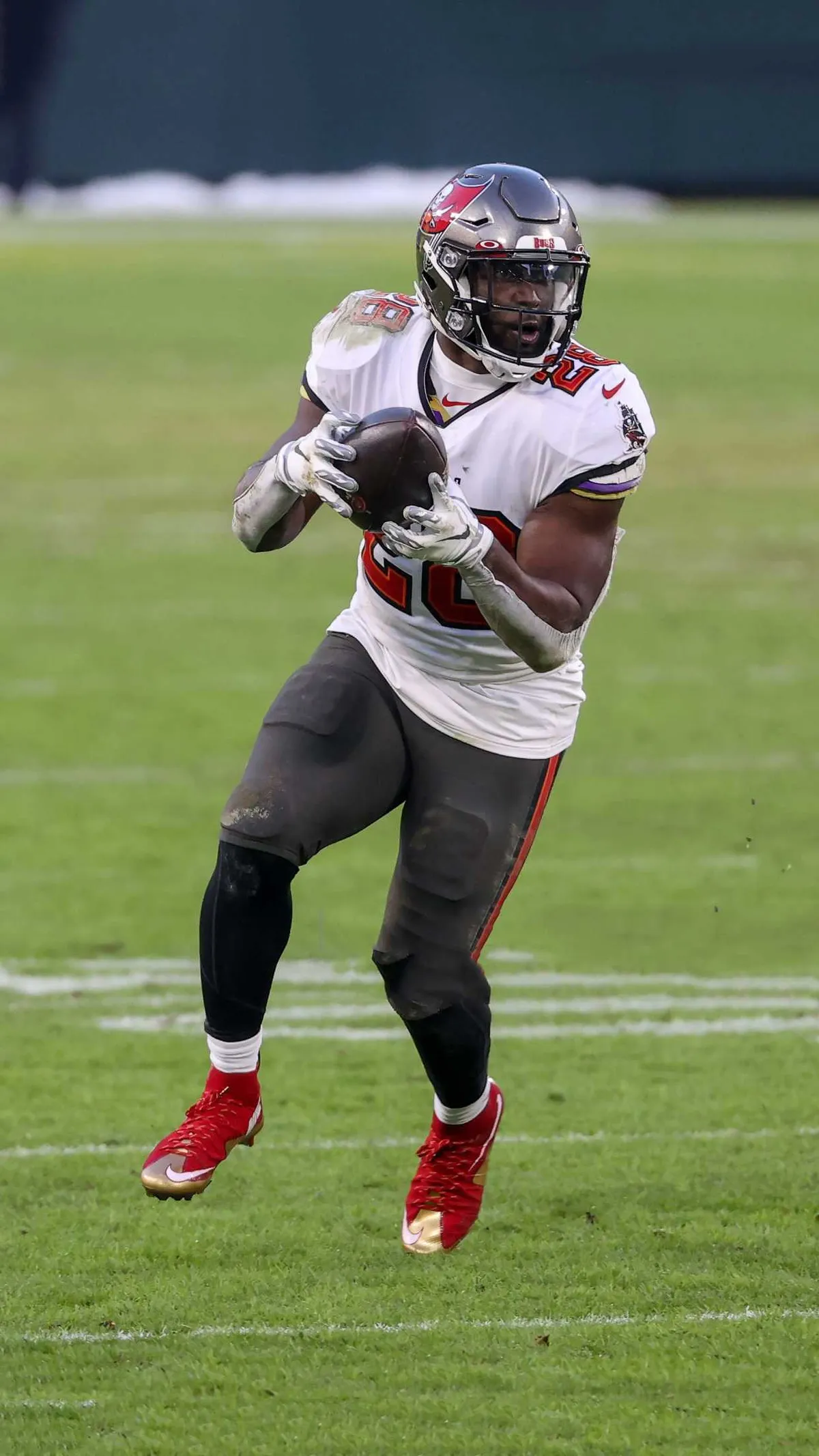
In a surprising turn of events, Leonard Fournette, the former fourth overall pick in the 2017 NFL Draft, has publicly criticized Emmanuel Acho for his football expertise during a recent episode of his podcast, “4th and South.” This confrontation, which took place on March 23, 2026, has sparked widespread discussion among fans and analysts alike, as Fournette questions Acho’s credentials to comment on the game.
Fournette’s remarks came in response to Acho’s previous comments regarding Cleveland Browns’ head coach Kevin Stefanski and his ability to lead the team effectively. Fournette stated, “You remind me of that Boondocks character… Uncle Ruckus. It’s Uncle Ruckus all over again,” drawing a vivid comparison that resonated with many listeners. This feud has quickly escalated, with both parties receiving significant attention on social media platforms.
To provide context, Emmanuel Acho, who played four seasons in the NFL and appeared in 20 games, has often been vocal about his opinions on various players and coaches. During his career, he recorded 33 tackles, but his transition to sports commentary has not come without controversy. Recently, he faced backlash for his comments regarding Todd Monken, the Browns’ offensive coordinator, and Shedeur Sanders, a rising star in college football.
Fournette’s criticism of Acho seems to stem from a broader frustration within the NFL community regarding the qualifications of commentators who critique players and coaches. He pointed out that the Browns scored an average of only 16.5 points per game in the 2025 season, ranking them 31st in the league. This statistic highlights the challenges the team faced, making the scrutiny from commentators like Acho even more contentious.
In response to Fournette’s comments, former NFL player Benjamin Watson weighed in, stating, “This is dumb. And loud. You listen to Todd Monken because he is your head coach. It’s your job.” This statement underscores the divide in opinions regarding the legitimacy of Acho’s critiques and the expectations placed on players and coaches alike.
Another notable voice in this discussion is Taylor Lewan, who remarked, “If you’re a young football player in the NFL, this is the worst possible mindset to have.” His comments reflect a growing concern among players about the impact of public criticism on their performance and mental well-being.
As the feud continues to unfold, fans and analysts are left to ponder the implications of such public disputes within the NFL community. The dynamic between players and commentators is evolving, and Fournette’s bold stance may encourage others to speak out against perceived injustices in the commentary surrounding the game.
Details remain unconfirmed regarding any potential resolutions or further developments in this ongoing feud. However, the dialogue it has sparked serves as a reminder of the passion and intensity that football evokes among players, commentators, and fans alike.