Introduction
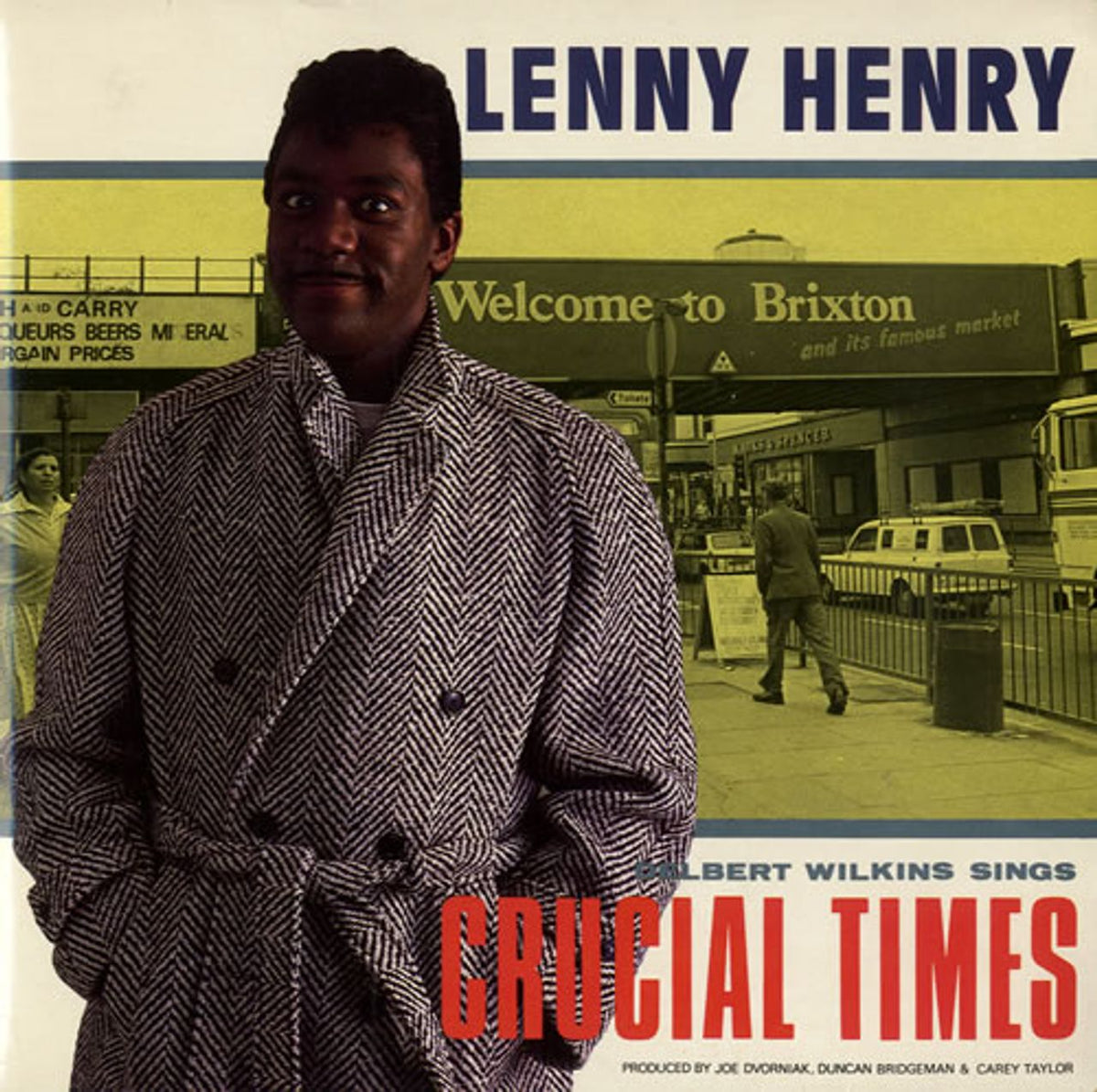
Lenny Henry is a prominent figure in the British entertainment industry, renowned for his work as a comedian, actor, and writer. His contributions have significantly shaped the landscape of British comedy and representation on television. As a trailblazer for Black British talent, Henry’s legacy continues to inspire upcoming artists, making it imperative to acknowledge his impact during the ongoing discussion surrounding diversity within entertainment.
Early Life and Career
Born on August 29, 1958, in Dudley, England, Henry grew up in a working-class household. He attended the local grammar school, where his comedic talent began to emerge. Entering into entertainment at a young age, his first significant break came in the 1970s when he appeared on the TV talent show ‘New Faces.’ His natural comedy style and gripping performances quickly captivated audiences.
Television Breakthrough
Henry rose to national prominence in the 1980s with his show ‘TISWAS’ and, later, his sketch show ‘The Lenny Henry Show.’ His comedic prowess and character-based sketches highlighted important social issues while entertaining viewers. These platforms allowed him to showcase the diversity of British culture, with many of his characters offering insights into the experiences of minority communities.
Diversity and Advocacy
Aside from his entertainment career, Henry has been an outspoken advocate for diversity in the arts. He has often spoken about the need for greater representation within British media. Through his productions and collaborations, he has worked towards increasing opportunities for Black actors and comedians. Recently, he launched the ‘Lenny Henry Centre for Media Diversity’ at Birmingham City University. This initiative aims to promote and support underrepresented groups in the media industry, reinforcing his commitment to this cause.
Recent Projects and Achievements
In recent years, Henry has continued to diversify his portfolio. Notably, he starred in the BBC series ‘The Last Leg’ and took on dramatic roles in productions such as ‘Broadchurch’ and ‘The Honourable Woman.’ His transition from comedy to serious acting proves his versatility and dedication to his craft. In 2021, he received a knighthood for his services to drama and charity, highlighting a career that spans nearly five decades.
Conclusion
Lenny Henry’s legacy is more than just that of a comedian; it embodies the ongoing struggle for representation and diversity in the entertainment industry. His journey from a young comic to a knighted performer showcases how talent combined with purpose can ignite change. As the industry evolves, Henry’s influence and advocacy will continue to inspire generations of entertainers, ensuring that the conversation around diversity remains pertinent and active.