Introduction
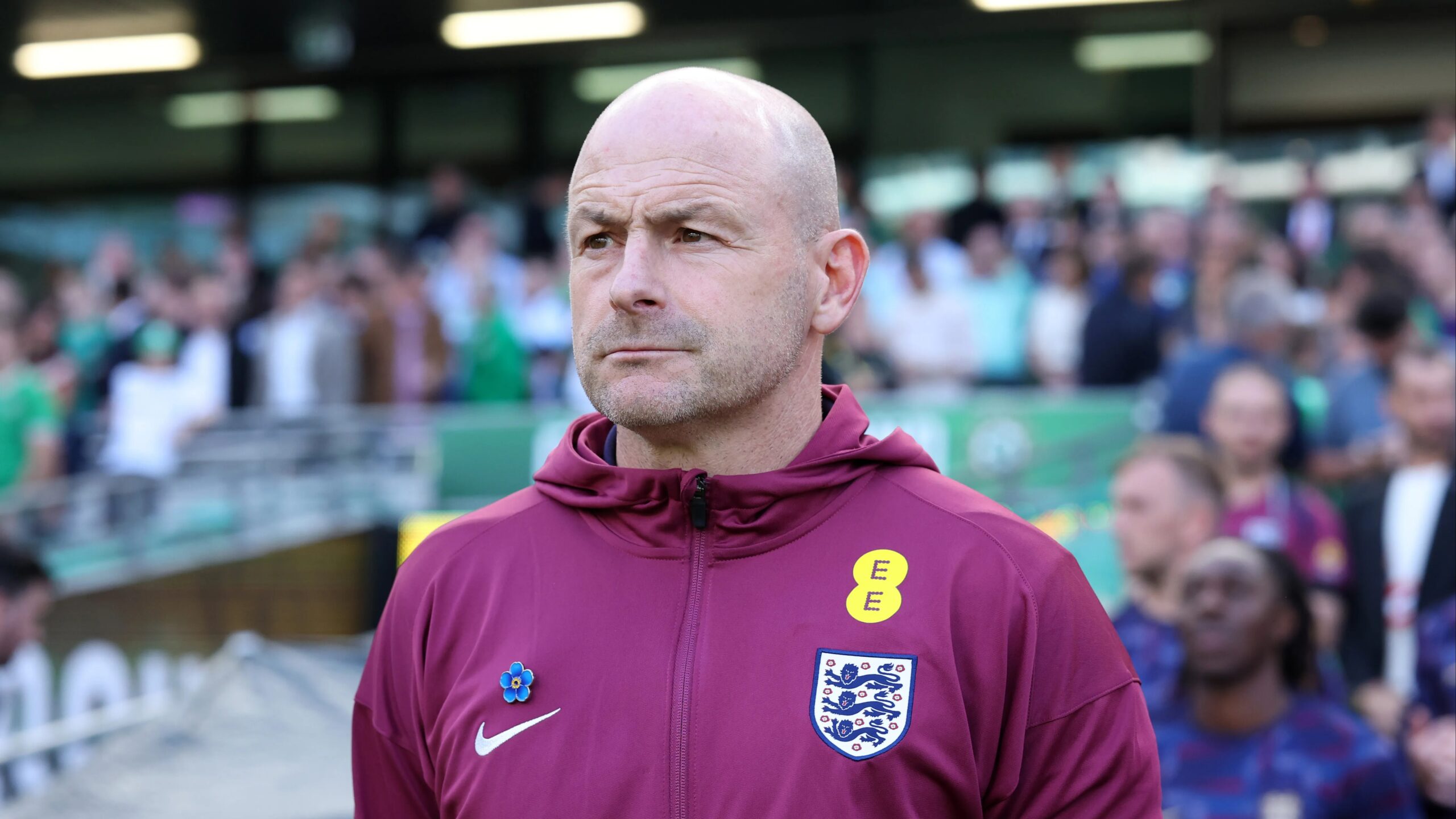
Lee Carsley has emerged as a noteworthy figure in the world of football management, particularly known for his recent appointment as the head coach of the England U21 team. Carsley’s coaching prowess and playing background have led to significant interest in his methodologies and future potential in the football managerial landscape. His rise in this role highlights a renewed focus on nurturing young talent within the English football system.
Career Overview
Prior to embarking on his coaching career, Lee Carsley had a successful playing tenure, primarily known for his time at clubs like Birmingham City and Everton. After retiring in 2011, he transitioned into coaching, starting with youth teams and progressively gaining more responsibility. His ability to develop players became evident during his time at the EFL Championship club, Coventry City, where he served as assistant manager before taking on his current role with the U21s.
Recent Developments
Carsley’s appointment to lead the England U21 team earlier this year is a significant step for both him and the national football programme. He replaced Aidy Boothroyd after a disappointing Euro 2021 campaign and has since focused on instilling a winning mentality, promoting attacking football, and successfully integrating youth into the senior teams. His approach has already reflected on the squad, as they displayed commendable performances in recent friendly matches, signalling a positive shift in the squad’s dynamics.
Impact on Young Talent
One of the critical aspects of Carsley’s approach is his emphasis on youth development. He has been instrumental in guiding upcoming stars like James Garner and Conor Gallagher, ensuring they are well-prepared for challenges at higher levels, including potential appearances for the senior team. By allowing talents to express themselves and learn through experience in competitive fixtures, Carsley is paving the way for a new generation of English footballers.
Conclusion
As Lee Carsley continues his journey in football management, the ramifications of his leadership and strategies will become increasingly apparent. His focus on cultivating young talent not only contributes to the immediate success of the U21 team but also serves as a crucial component for the future of English football. Fans and stakeholders alike will be keenly watching his progress, as Carsley could potentially become one of the influential figures in shaping the next era of football in the UK.