Introduction
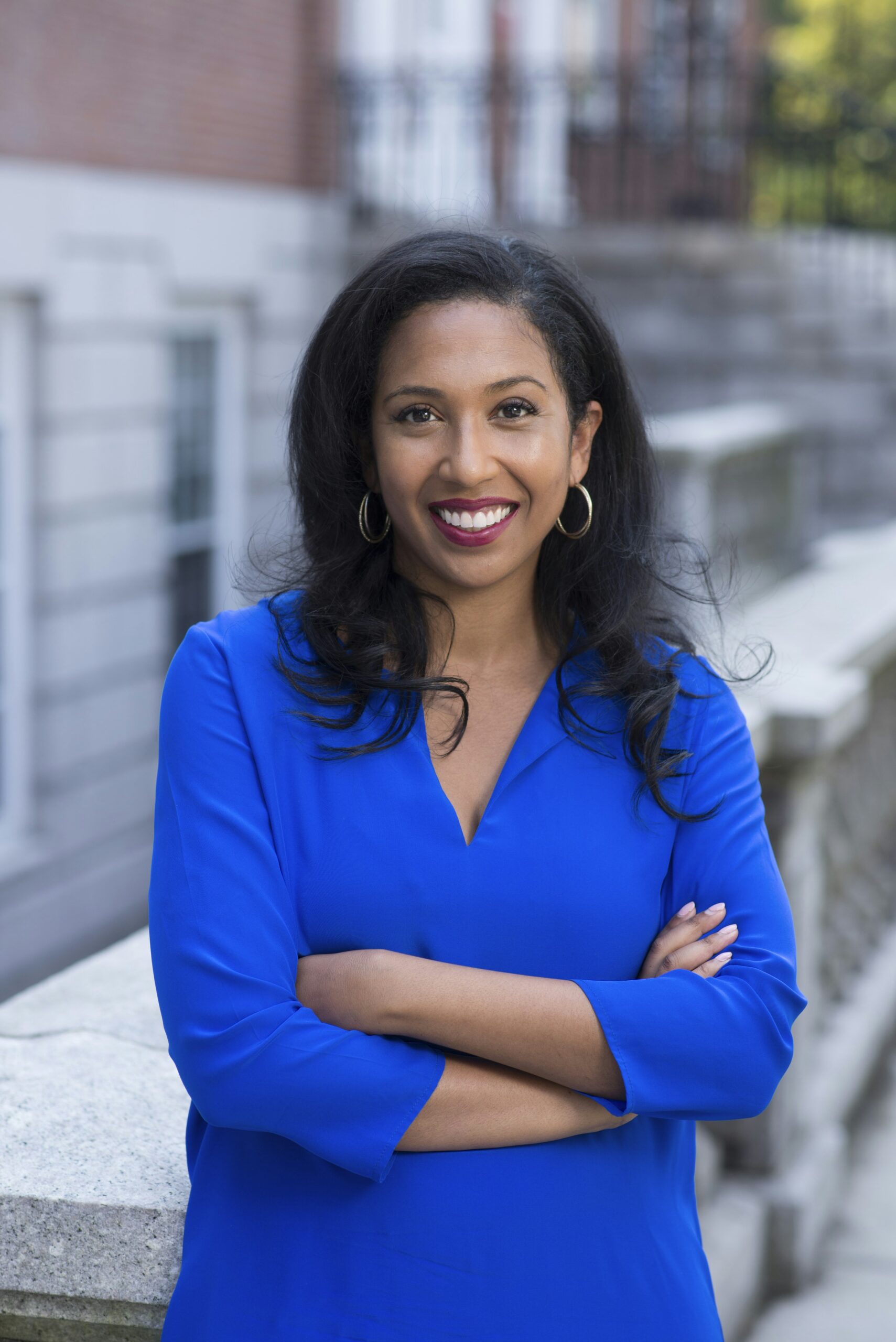
Leah Wright, a name that is gaining recognition in both artistic and activist circles, has been making impressive strides in advocating for social change. As the importance of representation and diversity becomes increasingly paramount in modern society, Wright’s work has sparked crucial conversations about identity and empowerment. Her multifaceted approach to activism has made her a prominent figure for young people and marginalized communities.
Background and Activism
Initially a student of fine arts, Leah Wright merged her passion for creativity with a commitment to activism. In recent months, she has collaborated with various organisations supporting issues such as racial equality, environmental conservation, and mental health awareness. In particular, her ‘Art for Change’ program has mobilised hundreds of young artists from diverse backgrounds to create works that address social injustices.
Noteworthy Events
Wright’s recent exhibition titled “Voices Unheard” showcased a compilation of artworks from emerging artists who tackle themes of oppression, privilege, and resistance. The event was not only a platform for creativity but also served as a fundraising initiative for local charities. In attendance were notable public figures and community leaders, enhancing the visibility of the cause. Moreover, Leah organised a follow-up panel discussion, stimulating dialogues about the role of art in activism and the importance of collective action.
In the digital realm, Leah has also been active on social media, using platforms like Instagram and Twitter to amplify the voices of underrepresented artists. Her hashtags, like #ArtForEquity, have gained traction, encouraging individuals to share their stories and artwork centred around social change.
Future Implications
As Leah Wright continues to rise within the arts and activism sectors, her influence is expected only to grow. With upcoming projects, including a collaboration with eco-activists focused on conservation through creativity, the potential for change remains vast. Observers believe that her unique approach to merging art with activism could inspire a new wave of engagement, particularly among younger generations.
Conclusion
Leah Wright’s commitment to using her talents for the greater good places her at the forefront of a necessary movement towards inclusivity and awareness. As she continues to write her story, her contributions to activism and the arts will likely inspire countless others to follow suit. Leah’s work embodies the essence of modern activism: creative, collaborative, and profoundly impactful—an example for all who aspire to create change in their communities.