Understanding the Importance of the FTSE 100 Index
The FTSE 100 Index, often referred to as “Footsie,” is a benchmark index that represents the 100 largest companies listed on the London Stock Exchange by market capitalisation. It serves as a key economic indicator in the UK, reflecting the performance and health of British business and its stock market.
Current Performance Trends
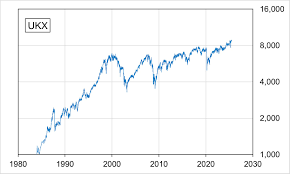
As of October 2023, the FTSE 100 has shown resilience amid global market volatility, currently trading around 7,300 points, slightly down from its peak earlier this year. Factors influencing this decline include ongoing geopolitical tensions, fluctuations in energy prices, and economic indicators suggesting slowing growth in key markets.
Recent Factors Impacting the FTSE 100
One of the most significant recent events influencing the FTSE 100 has been the Bank of England’s monetary policy adjustments aimed at combatting inflation. The bank’s decision to maintain interest rates at a 5.25% level has prompted investors to reassess their portfolios, leading to mixed performances in traditionally defensive sectors such as utilities and consumer goods.
Furthermore, the ongoing war in Ukraine continues to impact energy prices, thereby affecting the index significantly, primarily due to the presence of energy giants like BP and Shell, which make up a substantial portion of the index. Additionally, the recent fluctuations in the technology sector, influenced by global tech stocks, have also played a role in the index’s performance.
Future Outlook
Looking ahead, analysts predict that the FTSE 100 Index could face further fluctuations based on the outcomes of the UK’s economic policies, global trade dynamics, and year-end corporate earnings reports. Investors are advised to stay informed and consider diversifying their investments to mitigate risks associated with potential downturns.
Conclusion: Significance for Investors
The FTSE 100 Index remains a crucial barometer for the health of the UK economy and offers insights for both local and international investors. Its performance can greatly influence investment strategies and economic policy decisions. Stakeholders should remain vigilant and proactive in their investment approaches in these dynamic market conditions.