Introduction
The EFL Cup, also known as the Carabao Cup, holds significant importance in the English football calendar, providing teams with an opportunity to secure silverware and a pathway to European competition. Each season, clubs from various tiers in English football compete fiercely, which not only excites fans but also has implications for club finances and strategies.
Current Season Overview
The current EFL Cup season has reached its knockout stages, drawing attention as clubs gear up for crucial matchups. This year’s competition has been marked by surprising results and standout performances from unexpected players. As of October 2023, several fixtures have captivated audiences, with both Premier League and lower-league teams showcasing their skills.
Noteworthy matches in the recent rounds included matches featuring top-tier teams like Liverpool and Manchester City, where they faced lower-league opponents, providing thrilling moments that underline the potential for upsets. The excitement of cup matches often brings teams from the Championship and League One into the spotlight, highlighting the unpredictable nature of knockout football.
Key Players and Performances
Several players have emerged as key figures in the current EFL Cup games, showcasing talent that could propel their teams further in the competition. For instance, young talents from smaller clubs have impressed with their skills, gaining interest from larger clubs. Veteran players are also stepping up, lending experience and leadership on the pitch, which is crucial in high-stakes knockout games.
Implications and Future Fixtures
The implications of the EFL Cup extend beyond the tournament itself. Success in the cup can significantly boost a club’s financial position, with the potential for increased ticket sales and commercial opportunities as clubs progress. Furthermore, it can also impact league performances, as squads may need to balance their focus between cup competitions and league commitments.
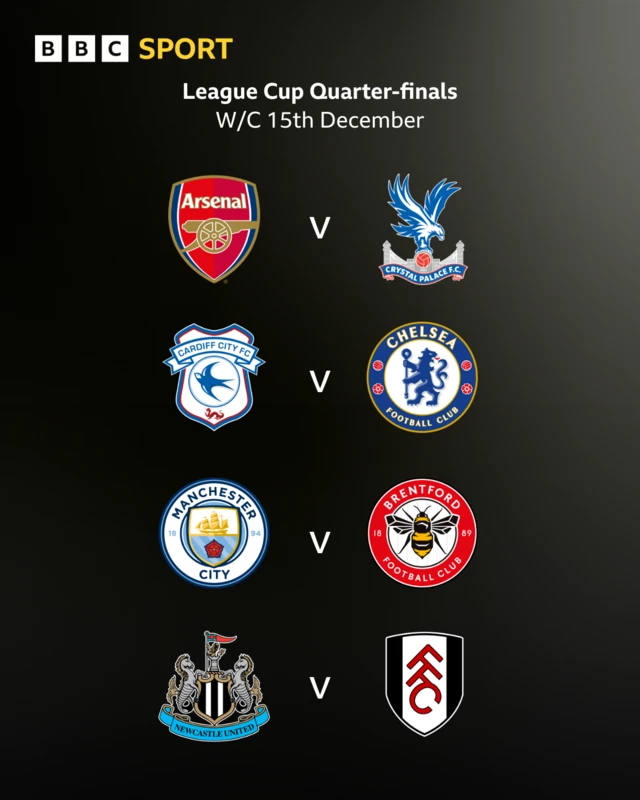
Looking ahead, the upcoming fixtures promise to deliver more drama, with teams eagerly vying for places in the quarter-finals. As the competition narrows, supporters are gearing up for exciting clashes, heightened tension, and the prospect of watching their clubs strive for glory.
Conclusion
The EFL Cup games represent more than just football on a pitch; they encapsulate the hopes and dreams of clubs across England. As the tournament progresses, its significance grows, attracting viewers and infusing local pride within communities. As matchdays approach, fans await with bated breath, anticipating thrilling encounters and moments that could define the season.