Introduction
South Western Railway (SWR) plays a critical role in connecting communities across the south and south-west of England. Operating essential rail services, SWR has seen significant changes and upgrades in recent months aimed at improving reliability and customer satisfaction for passengers. As train travel continues to evolve amidst recovery from challenges faced during the pandemic, understanding what’s happening with SWR is essential for commuters and stakeholders alike.
Recent Developments
In October 2023, South Western Railway announced a series of enhancements to their services, aiming to address the growing demand for efficient and convenient rail travel. The company has implemented a new timetable that includes additional trains on popular routes such as London to Exeter and London to Portsmouth, thus facilitating greater accessibility for commuters and leisure travellers.
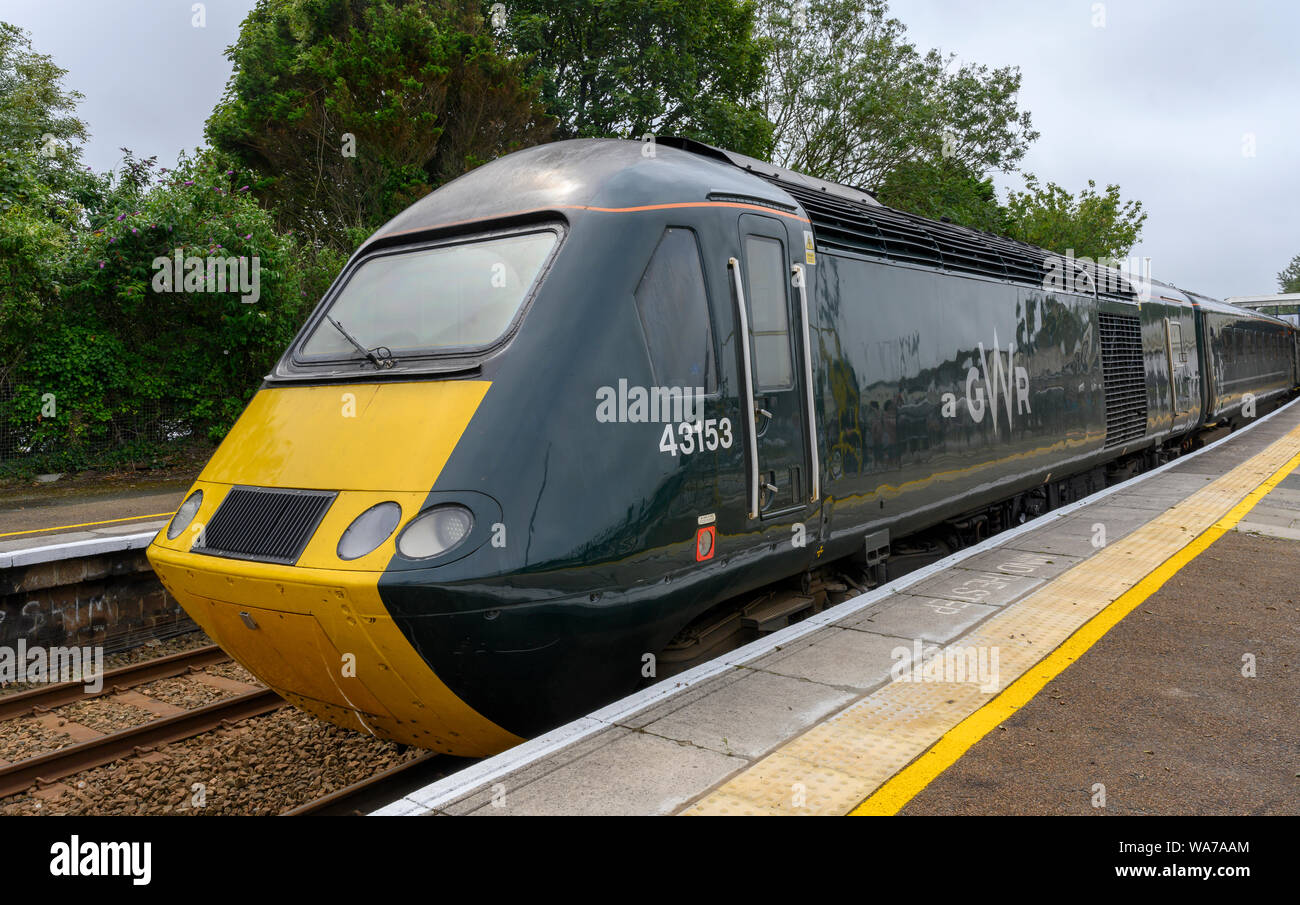
Furthermore, SWR has invested significantly in upgrading their fleet, introducing more capable and eco-friendly trains designed to enhance passenger experience while promoting sustainability. These new trains are equipped with modern amenities, including onboard wifi and more spacious designs.
Safety Measures
In light of ongoing safety concerns, South Western Railway has reiterated its commitment to passenger safety. Measures including rigorous cleaning protocols, enhanced staff training, and improved communication about safety guidelines have been reinforced. As the cold winter months approach, SWR has also addressed winter preparedness, ensuring that their infrastructure is ready to mitigate any adverse weather events that could affect travel.
Future Initiatives
Looking ahead, South Western Railway is embarking on a long-term project to upgrade stations across its network as part of a £40 million investment to improve facilities. This effort aims to create a more attractive environment for passengers, including better waiting areas, improved accessibility for disabled travelers, and increased technological enhancements such as better information displays and ticketing options.
Conclusion
The developments at South Western Railway are promising for both current travellers and future projects aiming to modernise and enhance the rail experience. As services continue to expand and safety measures remain a priority, passengers can look forward to a more comfortable and efficient journey. Stakeholders in the transport sector remain optimistic about the contributions SWR can make to local economies and the balance of sustainable transport. For anyone commuting in the South West, keeping abreast of these updates will be key to maximizing the benefits of the rail system.