Introduction
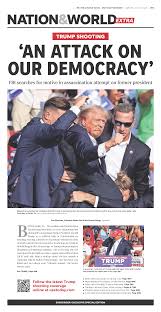
The topic of assassination attempts on prominent political figures has always commanded attention, given its grave implications for national security and political stability. Recently, a reported attempt on former President Donald Trump has raised significant concern, prompting discussions around the safety of public figures and the political climate in the United States.
Details of the Attempt
On [insert date], the Secret Service intervened in an alleged assassination attempt against Donald Trump. Details are still unfolding, but sources indicate that an individual had been arrested after making threats against the former president during a public event in [insert location]. Witnesses reported that the individual was apprehended before any harm could be done, highlighting the commendable efforts of law enforcement to protect public officials.
The motive behind the threat is still under investigation. Authorities are exploring whether the suspect had any political affiliations or personal grievances that propelled them to commit such an act. The FBI has reportedly joined the investigation to ascertain the individual’s intent and connections.
Reactions and Responses
The news of the assassination attempt triggered immediate reactions from various political figures and the public. Many have condemned the act, emphasizing the need for civil discourse and respect within political spheres. Current President [insert name] expressed grave concern over the incident, underscoring that such actions only serve to degrade democratic values and threaten national unity.
Security measures have since been increased for Trump during his public appearances, with local law enforcement agencies collaborating closely with the Secret Service. This incident has sparked a larger conversation around the safety of political candidates and the potential for violence during election cycles.
Conclusion
As investigations into the Trump assassination attempt continue, it serves as a potent reminder of the risks faced by public figures in a politically charged environment. The ramifications of such threats extend beyond individuals, challenging the fabric of democratic engagement in the country. Stakeholders are urged to reflect on the necessity of fostering a political climate where debate and disagreement can occur without the threat of violence. Looking forward, it is vital for both law enforcement and the political community to address the underlying issues of extremism and violence in politics to ensure the safety of all individuals involved.