The Importance of the Ajax Armoured Vehicle
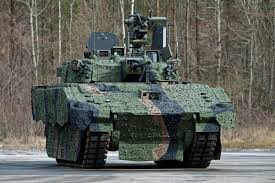
The Ajax armoured vehicle programme represents a significant upgrade in the British Army’s capabilities. Designed for reconnaissance and surveillance missions, the Ajax family is expected to enhance the operational effectiveness of the Army on modern battlefields. Its combination of advanced technology and firepower underscores the UK’s commitment to maintaining a robust defence posture in an evolving security landscape.
Background and Development
The Ajax vehicles are part of the British Army’s Future Soldier programme, which aims to modernise the Army and replace outdated platforms. Developed by General Dynamics UK, Ajax vehicles are designed to be quicker, quieter, and more technologically advanced compared to their predecessors. The initial order was made in 2014, with plans for nearly 600 vehicles across different variants.
Recent Issues and Delays
Despite the anticipation surrounding the Ajax vehicles, the programme has faced significant challenges. Issues with the vehicle’s acoustic and vibration performance have led to delays in its operational readiness. Reports indicate that these problems could impair crews’ ability to conduct long-duration missions, raising concerns about the vehicle’s overall effectiveness.
In light of these difficulties, the British Army has been conducting thorough testing to resolve the issues and ensure that the Ajax meets its operational requirements. The Ministry of Defence (MoD) has stated that the Ajax programme is still deemed a priority and has invested substantial resources to rectify the ongoing issues.
Current Status and Future Prospects
As of October 2023, the British Army is optimistic about addressing the technical challenges facing the Ajax armoured vehicle. Senior officials from the MoD have expressed confidence in the trajectory of the programme, pointing to recent tests aimed at mitigating the vibration and acoustic issues that have plagued the vehicle’s earlier trials.
The successful integration of the Ajax into the British Army would not only modernize their fleet but also provide enhanced capabilities in terms of combat scenarios and interoperability with allied forces. With the evolving threats and challenges on the global stage, maintaining a state-of-the-art reconnaissance vehicle is crucial for the UK’s military readiness.
Conclusion
The British Army Ajax armoured vehicle programme is a critical element of the UK’s efforts to modernise its military forces. While the current obstacles may slow the rollout, the potential impact of the Ajax on operational capabilities remains significant. As the British Army works closely with industry partners to address the challenges, the future of the Ajax programme points towards a more capable and adaptable force prepared for the complexities of modern warfare.