Introduction
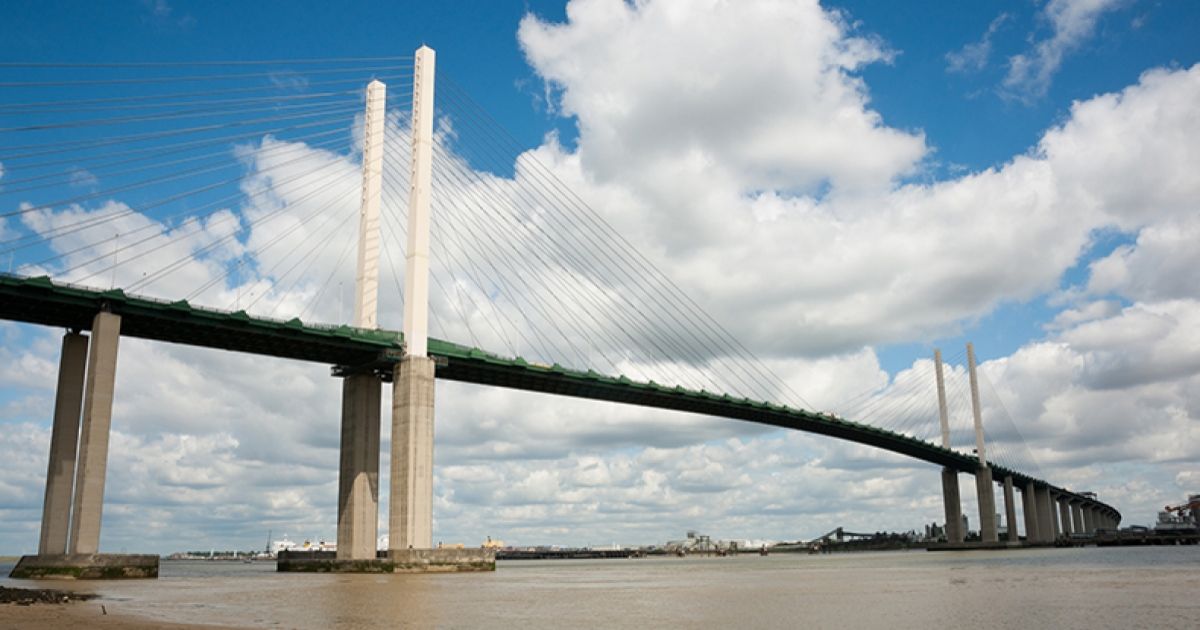
The Dartford Crossing is a vital transportation link across the River Thames, connecting Kent and Essex. It is of significant importance to both local commuters and broader freight traffic, facilitating the movement of goods and people within the UK. As vehicle volumes continue to rise, understanding the current issues and developments surrounding the crossing becomes increasingly relevant for travellers and policymakers alike.
Current Situation and Developments
Recent reports from Transport for London (TfL) highlight ongoing challenges with congestion and delays at the Dartford Crossing, particularly during peak travel times. With the average daily traffic through the crossing estimated at approximately 150,000 vehicles, authorities are under pressure to implement effective solutions. This issue has gained extra traction in light of surging demand post-pandemic. Alongside regular congestion, the charging system, which requires drivers to pay a toll to use the crossing, has spurred discussions about how costs impact local and regional travel.
In September 2023, the government announced a substantial investment to improve transport infrastructure in the area, with specific plans focusing on enhancing traffic flow at the Dartford Crossing. This includes the introduction of additional lanes and improved signage to better manage the traffic flow. Furthermore, the implementation of smart traffic management systems is expected to optimise vehicle movements and reduce waiting times for users.
Community Response to Changes
Local residents and business owners have raised mixed feelings regarding the planned changes. While many welcome the promise of improved traffic management, others express concerns about potential environmental impacts and increased air pollution resulting from heightened vehicular traffic. A group of local environmentalists has actively campaigned for sustainable transport options, urging the government to invest in alternative modes of transportation, such as improved public transit systems.
Conclusion and Future Implications
As developments unfold at the Dartford Crossing, stakeholders must balance the need for efficient transport solutions with environmental sustainability. The outcomes of the upcoming improvements will not only impact daily commuters but also shape the economic landscape of the surrounding areas. In the coming months, close monitoring of the initiatives will be essential to determine their effectiveness in resolving long-standing traffic issues. The Dartford Crossing remains a pivotal point in South East England’s transport network, and its evolution will continue to resonate with both local residents and the integrated transport system across the UK.