Introduction
The inquiry into the tragic sinking of a migrant boat in the English Channel has gained significant attention following the loss of life and heightened national debates regarding immigration and safety regulations. This event has prompted urgent calls for action and changes within the maritime and immigration policies of the UK and across Europe.
Details of the Incident
On 24th November 2021, a small boat carrying migrants capsized in the dangerously busy stretch of water between the UK and France. The incident resulted in the deaths of over 27 individuals, sparking widespread media coverage and public outcry. An immediate investigation was launched by both the UK and French authorities to determine the circumstances surrounding the disaster and the failure to rescue those on board.
Current Inquiry Developments
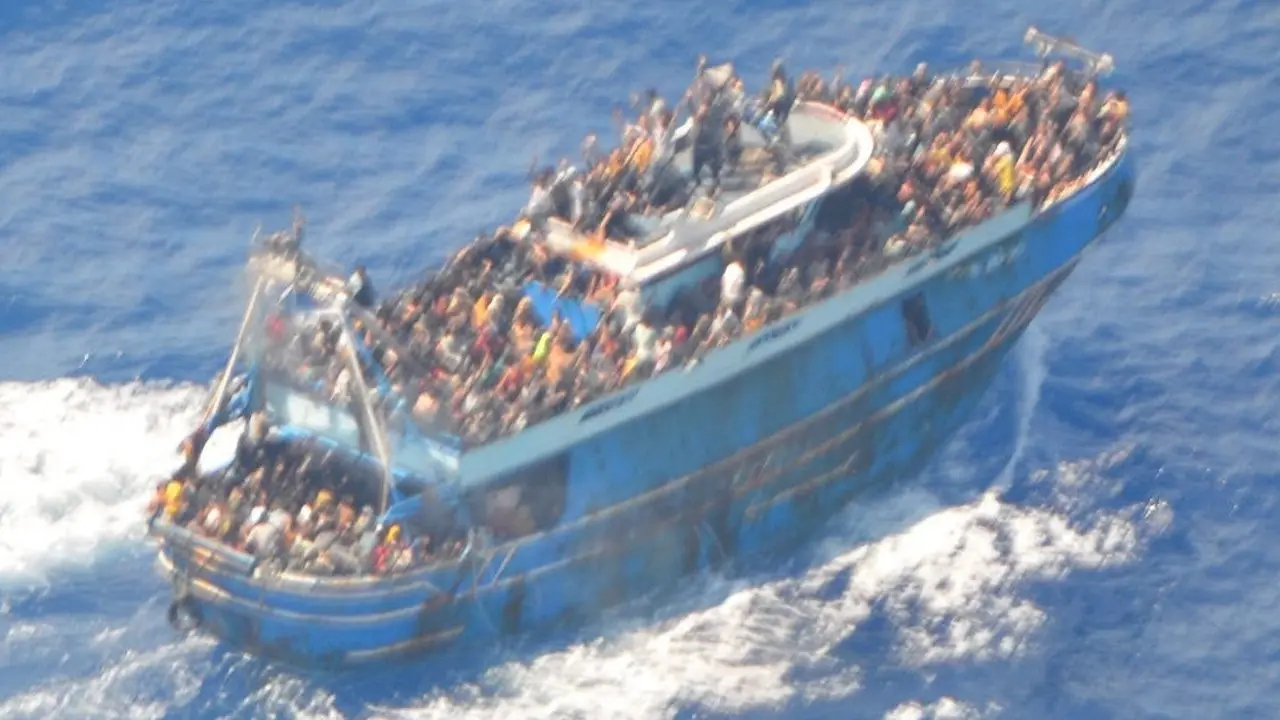
As the inquiry progresses, new evidence has emerged that highlights the dire risks faced by migrants attempting to cross the Channel. Eyewitness testimonies from survivors and local fishermen have helped paint a clearer picture of the conditions leading up to the fatal event. According to reports from the inquiry conducted by the Marine Accident Investigation Branch (MAIB), it is suggested that numerous factors contributed to the sinking, including overcrowding, a lack of suitable life-saving equipment, and adverse weather conditions.
Government Response and Future Actions
In the wake of the incident, UK Home Secretary Suella Braverman announced plans to increase collaboration with France to enhance patrols and surveillance of the Channel. This includes increasing funding for French authorities to better manage migrant crossings. Additionally, there are calls for more robust safety measures for small boats used by migrants in order to prevent similar tragedies in the future.
Conclusion
The Channel migrant boat sinking inquiry is not only a critical investigation into a tragic event but also a reflection of the ongoing humanitarian crisis faced by individuals seeking refuge. As this situation continues to unfold, it holds significant implications for policymakers and the wider public. The inquiry’s findings will likely affect future legislation and border security measures. Furthermore, it raises ethical questions about how nations can balance border control with their responsibilities to protect vulnerable populations. Continued public engagement and advocacy will be important in shaping the outcomes of this inquiry and in addressing the broader issues at play.