Introduction
Bristol Airport plays a crucial role in connecting the south-west of England to major domestic and international destinations. With a recent surge in passenger numbers and ongoing expansion projects, the airport’s developments are significant for both the travel industry and the local economy.
Passenger Growth and Traffic Trends
Bristol Airport has seen a remarkable recovery post-COVID-19 pandemic, with passenger numbers reaching nearly pre-pandemic levels. In the summer of 2023, the airport reported a 15% increase in travellers compared to the previous year, facilitated by increased flight schedules and the introduction of new routes.
Expansion Projects
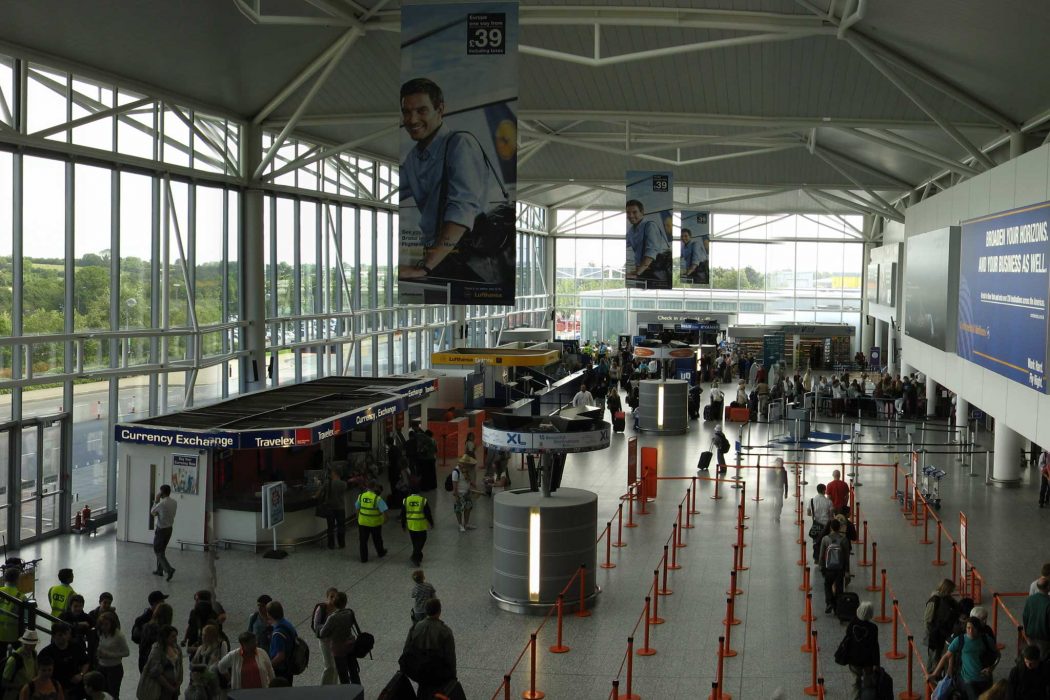
The airport is currently undertaking significant expansion projects to enhance its capacity and service offerings. The airport’s five-year development plan includes improvements to its terminal facilities, the addition of new parking spaces, and extensions to the runway. These changes aim to accommodate an expected increase in passenger traffic and improve the overall airport experience.
Environmental Initiatives
With the increase in operations, Bristol Airport is also focusing on sustainability and reducing carbon emissions. The airport has committed to becoming a leading example of environmentally responsible aviation by implementing measures such as using renewable energy sources and enhancing public transport access. Key initiatives include a £6 million investment in sustainable transport and plans for a carbon-neutral terminal by 2030.
Economic Impact
The growth and expansion at Bristol Airport are expected to generate substantial economic benefits for the region. According to a recent report, the airport supports over 23,000 jobs and contributes £1.5 billion to the local economy. With new routes to Europe and beyond, local businesses are likely to see increased tourism and economic activity.
Conclusion
The ongoing developments at Bristol Airport are pivotal for the local economy, the travel industry, and the environment. As the airport expands to accommodate more passengers and embraces sustainable practices, it promises to enhance connectivity for the region while focusing on responsible growth. Moving forward, stakeholders within the community and the aviation sector will be watching closely to see how these changes unfold and their long-term impact on aviation in the UK.