Introduction
The Kpop industry has seen an innovative rise in the integration of fantastical themes within its music and performances. One of the most captivating trends involves the popularisation of the ‘demon hunter’ motif among various groups. This concept not only enhances the storytelling aspect of music videos and albums but also connects deep-seated cultural elements with modern entertainment. As Kpop continues to dominate the global stage, understanding this trend is key for fans and industry followers alike.
Main Body
In recent months, several Kpop groups have embraced the demon hunter narrative, creatively weaving it into their choreographies and visual presentations. This trend can be attributed to a combination of factors including the rising popularity of fantasy genres in global media and the unique ability of Kpop to blend various artistic influences.
For instance, groups like ENHYPEN and Stray Kids have explored these themes through elaborate music videos featuring supernatural battles and intricate lore, captivating their audiences. Their latest releases showcase not only catchy tunes but also narratives that resonate with youth fascinated by fantasy and horror storytelling.
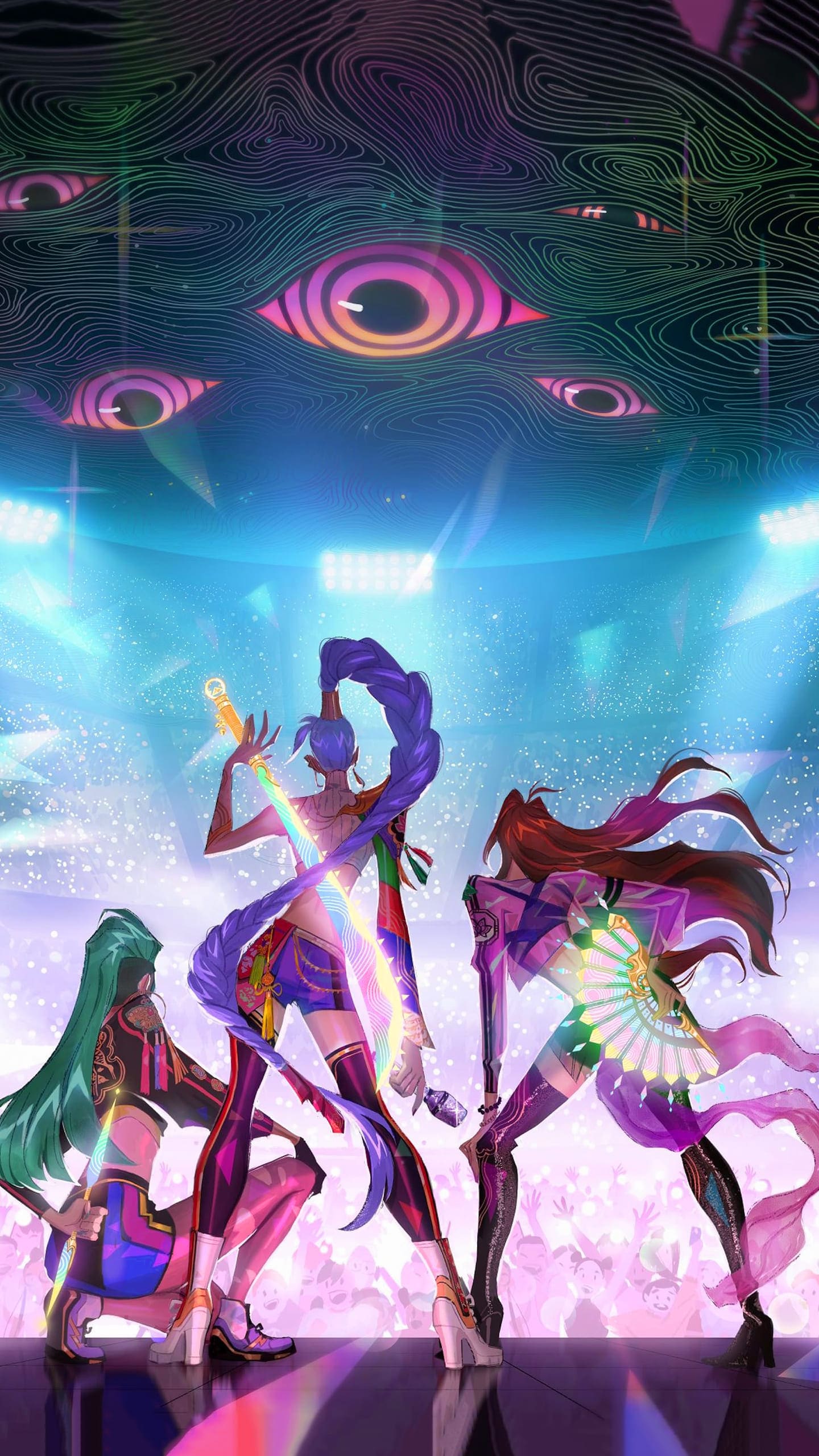
In these productions, demon hunters—often depicted as brave protagonists battling dark forces—serve as modern interpretations of traditional heroes. This merges seamlessly with the visuals of Kpop, where vibrant colours meet complex narratives. The incorporation of powerful performances and choreography adds another layer to the allure of these iconic characters.
The phenomenon has not only been embraced by artists but has also found a receptive audience among fans and creators, leading to a surge in fan art and interpretations across social media platforms. With hashtags related to demon hunters trending, fans are engaging in discussions about character motivations and storylines, deepening their connection to the music.
Conclusion
As Kpop continues to evolve, the intriguing blend of fantasy elements like demon hunters positions the genre at the forefront of innovative entertainment. The success of this trend illustrates the increasing appetite for complex narratives among fans, challenging artists to push creative boundaries. Looking forward, this phenomenon may expand beyond music, influencing merchandise, fashion, and even collaborations in entertainment. The convergence of Kpop and fantastical themes serves as a testament to the genre’s ability to capture imaginations and shape popular culture, making it a noteworthy element for fans and observers alike.