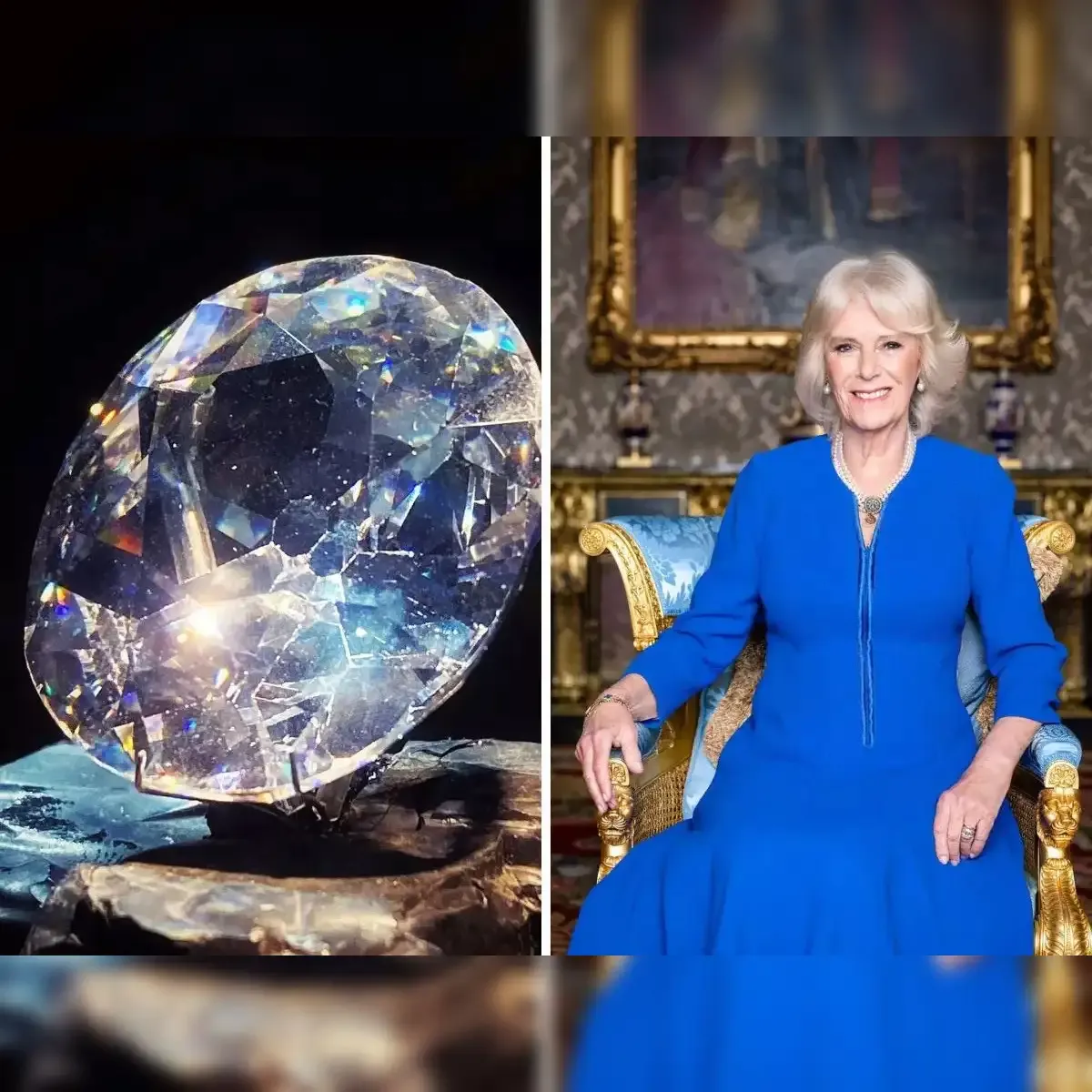
“If I were to speak to the king separately from that, I’d probably encourage him to return the Koh-i-noor diamond,” said New York City Mayor Zohran Mamdani, highlighting his intentions during an upcoming meeting with King Charles III.
The Koh-i-Noor diamond, a 105-carat gem, has a storied past, having been mined in India as early as the 17th century. It became a part of the British Crown Jewels after being taken from the Indian royal family by the British East India Company in 1849. Displayed at the Tower of London, it symbolizes not just wealth but also a complex colonial history.
Since India gained independence in 1947, its government has repeatedly requested the return of this priceless diamond. Most recently, in 2016, officials made another formal appeal for its repatriation.
The Indian government has emphasized that “the Koh-i-Noor diamond was a valued piece of art with strong roots in our nation’s history.” This sentiment resonates deeply with many Indians who view the diamond as a symbol of their cultural heritage.
Mamdani’s comments come at a time when discussions around colonial artifacts are gaining momentum globally. The diamond’s return could be seen as a step towards acknowledging historical injustices and fostering better relations between Britain and India.
As Mamdani prepares for his meeting with King Charles and Queen Camilla, he hopes to bring light to this long-standing issue. The meeting is anticipated to be brief, but he aims to make a significant impact through his words.
The conversation surrounding the Koh-i-Noor diamond is more than just about one gem; it’s about addressing the legacy of colonial rule and its lingering effects on former colonies. As discussions evolve, many look forward to seeing how this dialogue might influence future cultural and diplomatic relations.