Introduction
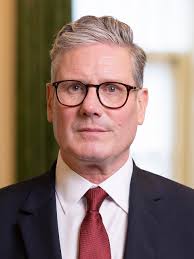
Kier Starmer, the leader of the UK Labour Party, has emerged as a significant figure in British politics. His leadership comes at a time when the UK faces numerous challenges, including economic instability, social inequalities, and the ongoing effects of Brexit. Understanding Starmer’s political stance, strategies, and policies is essential for grasping the current landscape of UK politics and the future of the Labour Party.
Background and Rise
Kier Starmer was born on September 2, 1962, in Southwark, London. He studied at the University of Leeds and later at the University of Oxford, where he earned his Bachelor of Arts in law. After building a prominent career as a human rights lawyer, Starmer gained respect within the legal community, ultimately serving as the Director of Public Prosecutions (DPP) from 2008 to 2013. His tenure as DPP focused on modernising the legal system and standing up for social justice, which would later inform his political ethos.
Political Career and Leadership
Starmer entered Parliament in the 2015 general election, representing Holborn and St Pancras. He was appointed Shadow Minister for Immigration in 2016 and later became Shadow Brexit Secretary, where he was vocal in advocating for a second referendum. Following the resignation of Jeremy Corbyn in 2020, Starmer was elected as Labour leader, promising to restore unity and focus on winning back traditional Labour voters who felt alienated during Corbyn’s leadership.
Under his leadership, Starmer has worked to redefine the party’s identity, positioning it as a credible alternative to the Conservative government, especially in light of the economic challenges amplified by the COVID-19 pandemic. His approach has involved a commitment to tackle issues like climate change, increasing living costs, and the National Health Service’s funding challenges.
Recent Developments and Challenges
As of late 2023, Starmer faces rising challenges from within his party. Internal debates over policy directions and the influence of the left-wing faction continue to create tension. Nevertheless, recent opinion polls indicate that Labour is performing well, with Starmer often leading against Prime Minister Rishi Sunak in hypothetical head-to-head contests. This dynamic has kept Labour in a strong position heading into the next general election, which is expected in 2024.
Conclusion
Kier Starmer’s impact on UK politics cannot be understated. His legal background, commitment to social justice, and strategic redirection of the Labour Party have positioned him as a key player in shaping the future of British political discourse. With the next election on the horizon, the importance of Starmer’s leadership will be pivotal for the Labour Party as they seek to present a united front against their opponents and regain power. The coming months will be crucial in determining both his legacy and the Labour Party’s electoral prospects.