Introduction to PMQs
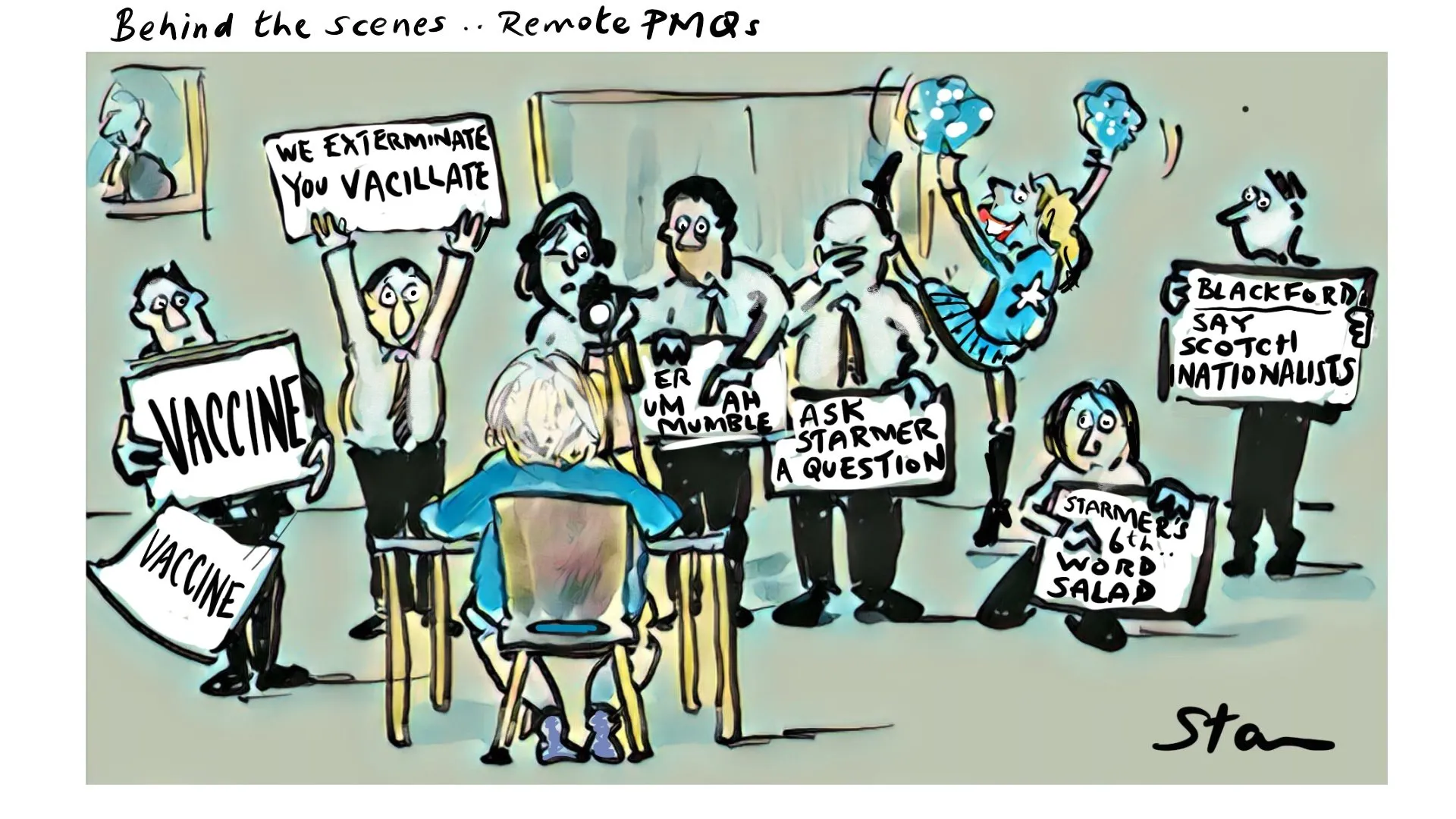
Prime Minister’s Questions (PMQs) is a significant weekly event in UK politics where the Prime Minister answers questions from Members of Parliament (MPs). This session not only provides a platform for questioning, but also serves as an insight into the government’s position on various pressing issues. With recent events shaping the political landscape, understanding the dynamics of PMQs is crucial for citizens, as it reflects the accountability of the government to the public.
Current Events and Recent Highlights
The latest PMQs, held on 25 October 2023, witnessed intense scrutiny of the Government’s handling of the ongoing energy crisis, the state of the NHS, and recent economic challenges. During the session, Prime Minister Rishi Sunak faced tough questions from the opposition leader, Keir Starmer, who highlighted the rising cost of living and energy bills affecting families across the UK.
Starmer quizzed Sunak on specific measures the government intends to implement to alleviate financial burdens on low-income households, as many struggle with rising debts and inflation. In response, Sunak reiterated the government’s commitment to a £400 energy rebate and outlined support mechanisms for vulnerable communities. However, Labour members argued that the aid was insufficient in light of skyrocketing expenses.
Responses and Reactions
The atmosphere during PMQs was animated, with MPs often shouting across the benches as they voiced their concerns. The session also touched upon global issues, such as public health challenges related to vaccine rollouts, and economic repercussions stemming from geopolitical tensions. Multiple MPs took the opportunity to urge the government for more transparency surrounding its strategies for health and economic recovery.
After PMQs, analysts suggested the exchange highlighted a growing discontent among citizens regarding the government’s performance, particularly in relation to health and economic issues. They argue that voters may be looking for stronger leadership and decisive action as the next general election approaches.
Conclusion
The recent PMQs underscored several critical issues that require immediate attention as the government continues to navigate a political landscape marked by hardship and uncertainty. As public scrutiny intensifies, it becomes evident that the effectiveness of the government’s responses will be pivotal in shaping public opinion. Moving forward, it will be essential for the Prime Minister and his cabinet to not only address these issues during their weekly sessions but also to implement effective policies that resonate with the electorate’s concerns. As the political climate develops, how the government addresses the tough questions raised during PMQs could have significant implications for its future.