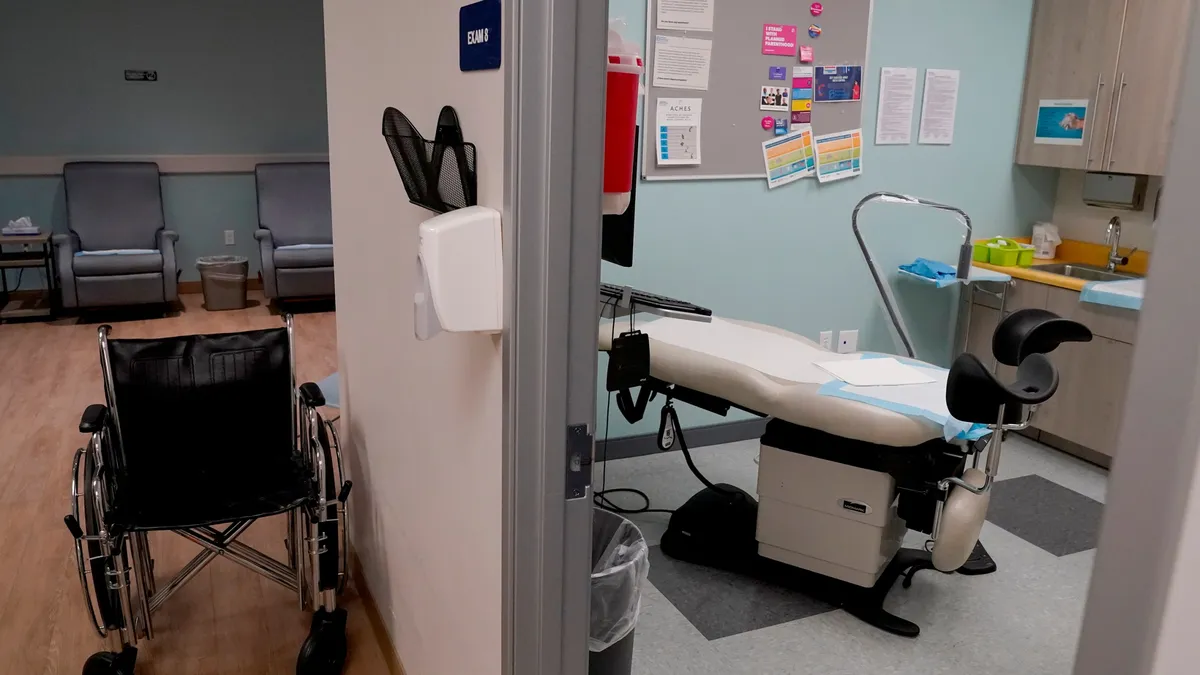
Kermit Gosnell, the infamous abortion provider, died in prison on March 1, 2026, at the age of 85. He was serving multiple life sentences at SCI Smithfield in Pennsylvania after being convicted of heinous crimes that shocked the nation.
Gosnell was found guilty of 237 crimes, including three counts of first-degree murder, for killing babies born alive during illegal late-term abortions. His clinic, often referred to as the “house of horrors,” was notorious for its unsanitary conditions, which included foul smells and bags filled with fetal remains.
In 2013, Gosnell was sentenced to life in prison without the possibility of parole after a trial that revealed the grim realities of his practices. He delivered babies alive during abortion procedures and then killed them by snipping their spinal cords. His case drew national attention, highlighting issues surrounding abortion practices and the lack of regulatory oversight in Pennsylvania, where routine inspections of abortion clinics had not occurred for 15 years.
Before his death, Gosnell’s medical condition was not publicly disclosed, and details remain unconfirmed. He did not testify at his trial, with his defense arguing that none of the fetuses were born alive.
U.S. Attorney Zane David Memeger commented on the broader implications of Gosnell’s actions, stating, “Prescription drug abuse is a growing epidemic, made worse by unscrupulous doctors and other professionals who use their licenses to distribute dangerous drugs to addicts and those who have no actual medical need for the drugs.”
FBI Special Agent-in-Charge Edward J. Hanko added, “Doctors who deal powerful drugs to vulnerable people are violating their own oath – and our country’s laws.” These statements reflect the ongoing concerns about medical ethics and the responsibilities of healthcare providers.
Gosnell’s case remains a pivotal moment in the discussion surrounding abortion rights and healthcare regulations in the United States. His actions and the subsequent trial have left a lasting impact on public perception and policy debates.
As the community reflects on Gosnell’s legacy, many are reminded of the importance of oversight in medical practices to prevent such tragedies from occurring in the future.