How it unfolded
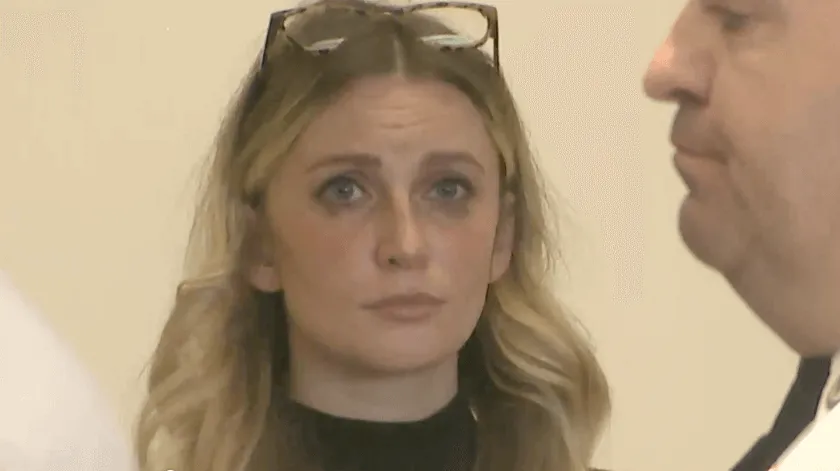
On June 30, 2025, a tragic incident unfolded in North Andover, Massachusetts, involving Kelsey Fitzsimmons, a 29-year-old police officer. The day began like any other, but it quickly escalated when Fitzsimmons was served a restraining order filed by her then-fiancé. This moment marked the beginning of a series of events that would change her life forever.
As Fitzsimmons was being served the restraining order, she was shot in the chest by Officer Pat Noonan, a fellow officer. The shocking event left the community reeling, as many struggled to comprehend how a routine procedure could turn so violent. Eyewitness Timothy Bradl recalled the harrowing moment, stating, “‘Kelsey, no. Kelsey, no.’ You don’t say that when you’re staring at the muzzle of a gun pointed at you.”
Following the incident, Fitzsimmons spent over 100 days in jail before her trial began, a period that was undoubtedly challenging for her and her family. She underwent two surgeries and spent weeks in the hospital due to her injuries, all while her four-month-old son was left without his mother. Currently, Fitzsimmons is suspended from her position as a police officer, facing one charge of assault with a dangerous weapon.
Fitzsimmons has pleaded not guilty to the charge against her, claiming that she intended to use the gun on herself due to a mental health crisis. This assertion has raised important discussions about mental health within law enforcement and the pressures officers face. Her decision to opt for a bench trial instead of a jury trial has also sparked interest, as attorney Jennifer Roman noted, “Procedurally, bench trials go faster.”
The trial is set to take place on March 23, 2026, in Lawrence, Massachusetts, and it is expected to draw significant attention from the community and beyond. As the date approaches, many are left wondering how the legal system will navigate the complexities of this case. James Gubitose, a legal expert, stated, “The only credible evidence in this case will be that Kelsey Fitzsimmons raised the gun and pointed it at Officer Noonan.” This statement underscores the contentious nature of the trial.
As the community prepares for the trial, the implications of this case extend far beyond the courtroom. It raises critical questions about the mental health challenges faced by police officers and the support systems in place for them. The outcome of this trial could have lasting effects on how law enforcement agencies address mental health issues among their personnel.
For Fitzsimmons, the trial represents a chance to clear her name and seek justice for the events that transpired that fateful day. As she navigates this difficult chapter in her life, the support of her community will be vital. The trial is not just about the legal ramifications; it is also about understanding the human experience behind the badge.
As the community watches closely, the Kelsey Fitzsimmons trial serves as a poignant reminder of the complexities of law enforcement, mental health, and the need for compassion in the face of adversity. Details remain unconfirmed, but the hope is that this case will lead to a greater understanding of the challenges faced by those who serve and protect us.