Introduction
Inheritance tax, a contentious topic in UK politics, has seen renewed focus following Labour leader Keir Starmer’s recent proposals to reform the current system. As the gap between the wealthy and the rest of society widens, Starmer’s suggestions aim to make the tax system fairer and more equitable. This issue is especially relevant in the context of rising living costs and growing concerns about intergenerational wealth distribution.
Details of Starmer’s Proposals
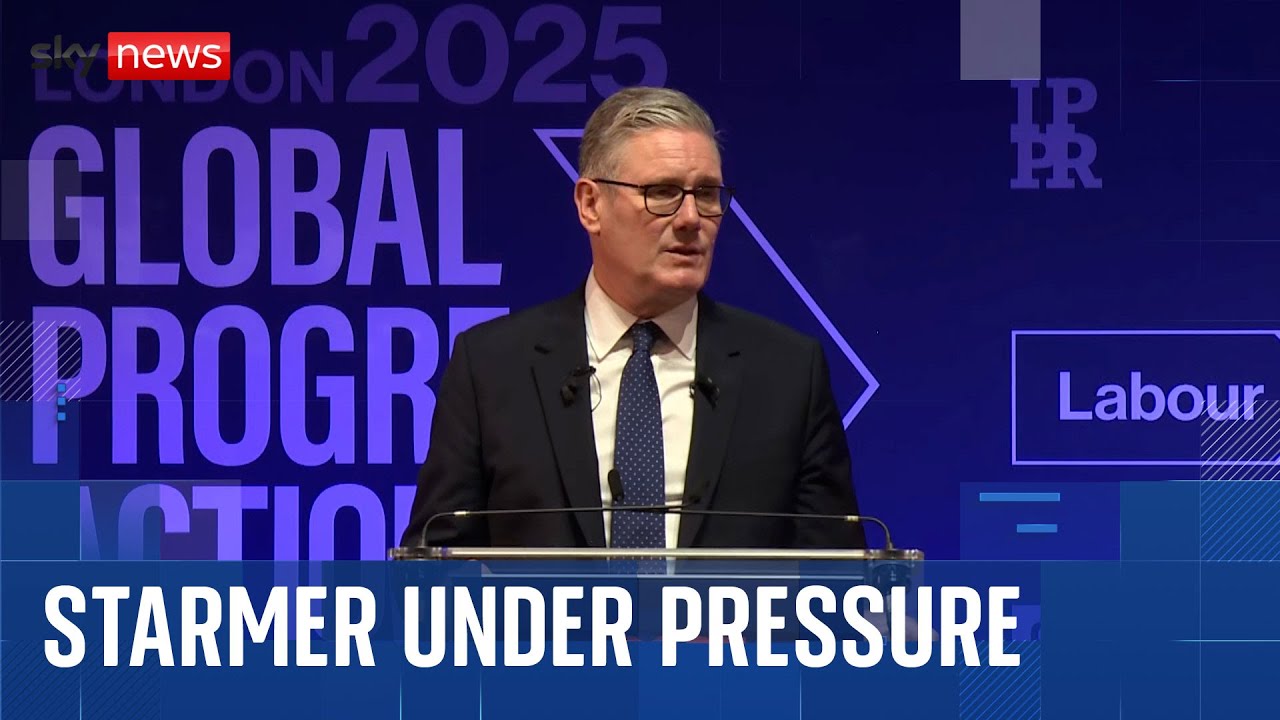
During a press conference held on October 15, 2023, Starmer outlined his vision for an overhaul of the inheritance tax framework. His proposals include adjusting the existing thresholds to ensure that only larger estates contribute towards the tax, reducing the burden on lower and middle-income families. Starmer emphasised the necessity of preventing wealth from remaining concentrated in the hands of a small elite, arguing that inherited wealth often perpetuates inequality.
Starmer’s plan also suggests increasing the tax on estates valued above £1 million, alongside revisiting the rate of taxation for non-primary residences. “The goal is to create a level playing field. When wealth is inherited rather than earned, it can distort opportunities for many,” Starmer stated.
Public and Political Response
The reaction to the proposed changes has been mixed. Supporters within the Labour Party argue that reforming inheritance tax is a step in the right direction towards achieving greater economic fairness. However, critics, including some in the Conservative Party, have accused Starmer of promoting a tax policy that would deter wealth accumulation and negatively impact family-run businesses. Former Chancellor Rishi Sunak highlighted concerns that increasing inheritance tax could inhibit economic growth and investment.
Conclusion and Future Implications
Keir Starmer’s inheritance tax proposals represent a significant shift in the Labour Party’s approach to wealth and equality. As discussions continue within Parliament and the public sphere, the future of inheritance tax remains uncertain. The upcoming general election in 2024 will undoubtedly be influenced by these discussions, with voters keenly observing how potential changes could impact their financial futures. If implemented, these proposals could reshape wealth distribution in the UK, ultimately affecting not just the rich but also future generations striving for economic stability.



