Introduction to Karwa Chauth
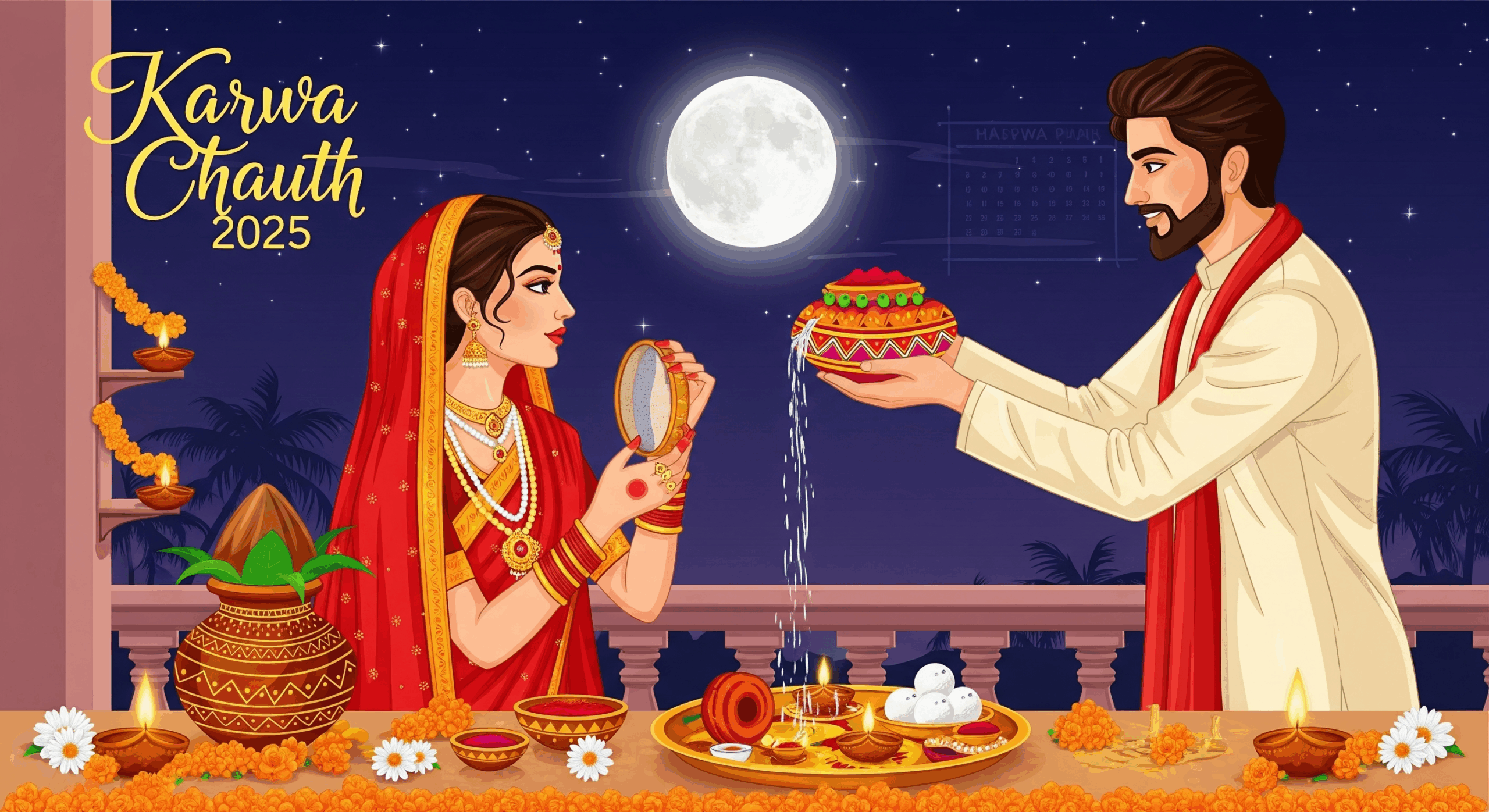
Karwa Chauth, a revered festival in the Indian culture, is celebrated by married Hindu women primarily in north-western states. This significant occasion is dedicated to the longevity and well-being of their husbands. Facing a day of fasting and prayer, women often adorn themselves in traditional attire and perform rituals to mark this auspicious day. As Karwa Chauth 2025 approaches on November 1, it is essential to understand its importance and the evolving traditions that accompany it.
Significance of Karwa Chauth
While Karwa Chauth has ancient roots steeped in folklore and myth, its significance lies in the expressions of love and devotion between spouses. The festival typically falls on the fourth day after the full moon in the month of Kartik according to the Hindu calendar. On this day, women observe a rigorous fast from sunrise until the moonrise, praying for their husbands’ health and prosperity. As the night approaches, festive rituals ensue, including the sighting of the moon, which holds deep emotional significance in many households.
Cultural Practices
In preparation for Karwa Chauth 2025, many women plan days in advance. Traditional practices include wearing beautiful saris or lehengas, applying henna on their hands, and preparing special dishes. Families come together to celebrate with a community spirit, often gathering for group fasts and prayers. The evening rituals culminate in a ceremonial break of fast, where the husband offers water and food to his wife, marking the moment of joy and thanksgiving.
Modern Adaptations
While the essence of Karwa Chauth remains unchanged, contemporary adaptations have emerged, reflecting societal shifts. The festival is increasingly celebrated among women from diverse backgrounds and professions showcasing their empowerment. Many couples embrace shared rituals, with husbands participating in the fast as a symbol of support and equality. Moreover, social media platforms have become a hub for sharing festive moments, allowing a broader audience to engage in the laughter and love that defines Karwa Chauth.
Conclusion
As Karwa Chauth 2025 draws near, it serves as a reminder of the rich traditions that bind families and reinforce commitments between spouses. The festival reminds us of the power of love, sacrifice, and mutual respect. With evolving practices and modern interpretations, Karwa Chauth continues to grow in relevance, bridging the gap between tradition and contemporary life. Its significance extends beyond individual households, celebrating the cultural tapestry of Indian society. Whether by upholding age-old rituals or embracing new customs, the heart of Karwa Chauth remains a fervent devotion to matrimonial bonds.