Introduction
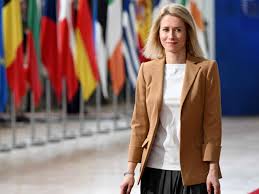
Kaja Kallas, the Estonian Prime Minister, has emerged as a prominent figure in European politics. Her leadership is crucial not only for Estonia but also in the broader context of European Union dynamics, especially given the ongoing geopolitical shifts. Kallas has steered her country through significant challenges, including the COVID-19 pandemic and heightened tensions in Eastern Europe, thus highlighting her importance in leading a small but strategically significant nation on the European stage.
Kaja Kallas: Background and Political Ascendancy
Kaja Kallas is the leader of the Estonian Reform Party and became the first female Prime Minister of Estonia after assuming office in January 2021. Her political journey began with a legal background, having graduated from the University of Tartu, and subsequently working as a lawyer. Before her premiership, she served as a member of the European Parliament from 2014 to 2018, where she was vocal on issues regarding digital innovation, cybersecurity, and EU policies.
Current Political Climate
Under Kallas’ leadership, Estonia has navigated several crises. As Russia’s aggression towards Ukraine has escalated, Kallas has taken a firm stand in supporting international efforts to protect Ukraine’s sovereignty, advocating for robust sanctions against Moscow and increasing military support for Ukraine. Her government has committed to spending 2.5% of GDP on defence, underscoring the growing emphasis on national security.
Domestically, Kallas has focused on economic recovery post-pandemic, launching initiatives aimed at boosting innovation and digitalisation in Estonia. The government has introduced measures to improve employment rates and support businesses hit by the coronavirus-related restrictions.
Challenges Ahead
Despite her accomplishments, Kallas faces mounting challenges. The rising cost of living and energy prices, particularly due to the ramifications of the war in Ukraine, have stirred public discontent. Moreover, her government has been scrutinised for its handling of these issues, necessitating robust communication and effective policymaking to retain public trust.
Conclusion
As Kaja Kallas continues to lead Estonia, her decisions will not only affect the nation but also resonate throughout the European Union. Her commitment to democratic values, support for Ukraine, and focus on economic resilience underscore her vision for a prosperous and secure Estonia. Looking ahead, Kallas’ government will need to balance the immediate economic concerns against long-term strategic partnerships within Europe, making her an essential leader in a rapidly changing world.