Who is involved
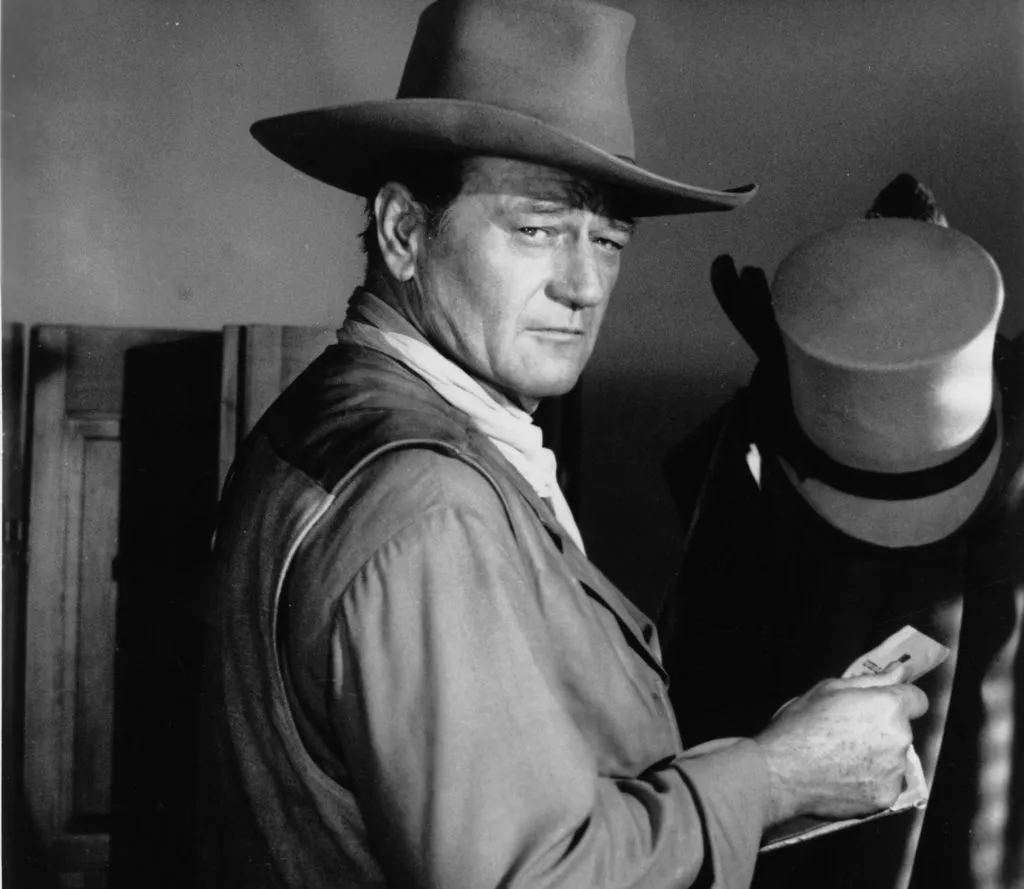
Before delving into the contrasting legacies of John Wayne and John Wayne Gacy, it is essential to understand the cultural landscape shaped by these two figures. John Wayne, an iconic actor known for his roles in Westerns, epitomized the rugged American hero throughout the mid-20th century. His films, such as “True Grit” and “The Searchers,” not only defined a genre but also influenced the portrayal of masculinity in American cinema. In contrast, John Wayne Gacy, infamously known as the ‘Killer Clown,’ was a convicted serial killer whose heinous crimes shocked the nation and left a dark stain on the name he shared with the beloved actor.
The decisive moment that shifted public perception occurred in the late 1970s when Gacy was arrested for the murder of 33 young men and boys. This revelation was a stark contrast to the heroic image of John Wayne, as Gacy’s actions were characterized by brutality and deception. The discovery of Gacy’s victims, many of whom were buried beneath his house, painted a chilling picture of a man who led a double life, seemingly normal on the surface yet harboring a sinister reality. The juxtaposition of these two figures became a topic of discussion, as they represented vastly different aspects of American life.
The direct effects of this contrast on the parties involved were profound. John Wayne’s legacy as a film icon remained largely untarnished, celebrated for his contributions to cinema and his embodiment of American values. Meanwhile, John Wayne Gacy’s name became synonymous with horror and tragedy, leading to a cultural reckoning regarding the nature of evil and the hidden darkness that can exist within communities. The impact of Gacy’s crimes extended beyond his immediate victims, instilling fear and distrust in society.
Experts have weighed in on the significance of these contrasting legacies. Gary Rosen, a film historian, remarked, “He was the kind of actor that defined Hollywood filmmaking in its greatest era,” referring to Wayne’s lasting influence on the film industry. In stark contrast, the stigma associated with Gacy’s actions has persisted, with Orell Anderson stating, “The stigma runs with the land, not the house,” highlighting how the legacy of Gacy continues to haunt the location of his crimes.
Matt Clark, an actor who appeared in several Westerns alongside John Wayne, also contributed to the narrative surrounding Wayne’s legacy. Clark, who passed away at age 89 from complications after back surgery, once expressed his admiration for Wayne, saying, “I just loved ’em!” This sentiment reflects the affection many have for Wayne’s work, contrasting sharply with the revulsion felt towards Gacy.
As the years have passed, the legacies of these two men continue to be examined and discussed. John Wayne remains a celebrated figure in American cinema, representing a bygone era of film and the ideals of heroism. Conversely, John Wayne Gacy’s legacy serves as a cautionary tale about the potential for evil that can exist in everyday life, reminding society of the importance of vigilance and awareness.
In summary, the contrasting legacies of John Wayne and John Wayne Gacy illustrate the complexities of human nature and the duality of fame. While one man is remembered for his contributions to art and culture, the other is a reminder of the darkness that can lurk beneath the surface. These narratives continue to shape public perception and discourse, ensuring that both figures remain significant in the annals of American history.