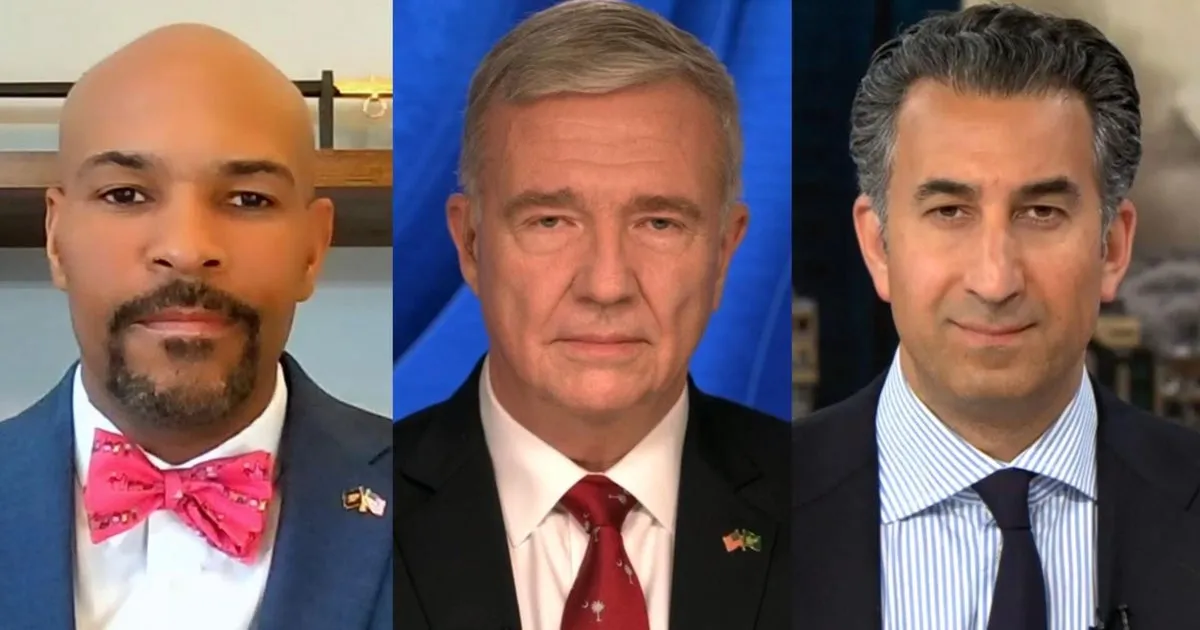
Jerome Adams, the former U.S. Surgeon General, has raised significant concerns regarding Casey Means’ qualifications for the role of Surgeon General, stating that she does not meet the basic requirements for the job. In a recent article published in The Washington Post, Adams emphasized that the role has centuries of established precedents and qualifications that Means fails to fulfill.
Adams pointed out that if confirmed, Means would not even be a member of the physicians corps, highlighting the potential irony of having the nation’s doctor not being a doctor. “The irony would be the nation’s doctor wouldn’t even be in the corps as a doctor,” he remarked, underscoring the importance of maintaining the integrity of the position.
His objections to Means’ appointment are operational rather than personal, as he believes that the qualifications for such a critical role should be upheld. Adams noted that no previous Surgeon General has defended Means’ appointment, which raises further questions about her suitability.
In his critique, Adams also addressed the ad hominem attacks directed at him by Means’ brother, stating, “We can and should have vigorous debates about how to improve America’s health. But lowering the discourse to crass ad hominem attacks comes across as childish and defensive.” This sentiment reflects his commitment to fostering constructive dialogue in the healthcare community.
Adams expressed his support for Janette Nesheiwat, stating, “I thought [Nesheiwat] was sufficiently qualified for the role,” further emphasizing the need for qualified individuals in such pivotal positions.
Having served as the U.S. Surgeon General under President Donald Trump, Adams is well-acquainted with the responsibilities and expectations of the role. His comments come at a time when the nation is grappling with significant health challenges, making the selection of a qualified Surgeon General more critical than ever.
As the debate continues, observers are keenly watching how this situation will unfold and what implications it may have for the future of public health leadership in the United States. Details remain unconfirmed regarding any further developments in the appointment process.