Introduction
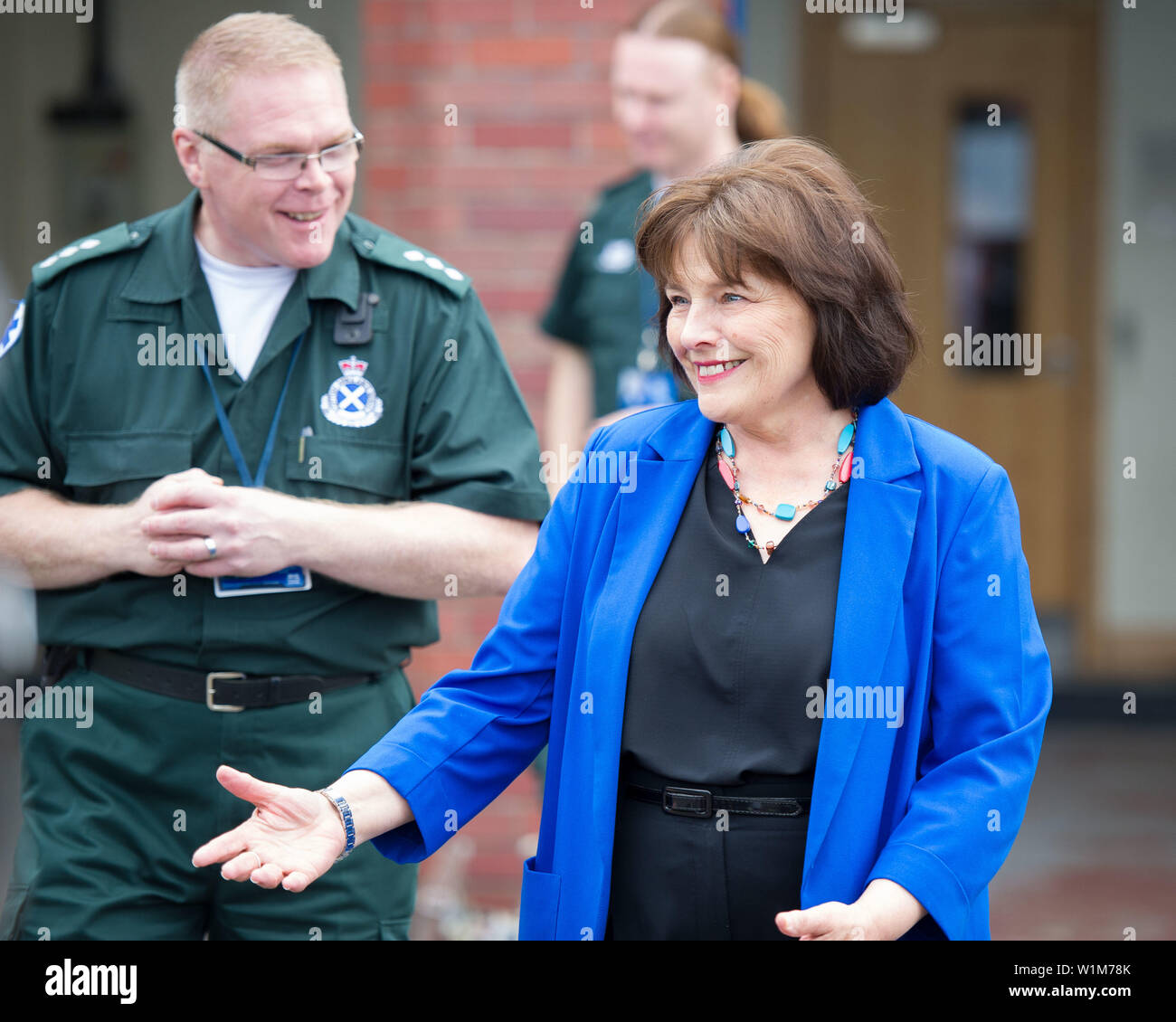
Jeane Freeman, a prominent figure in Scottish politics, has carved a niche as one of the key architects of contemporary public health policy in Scotland. As the former Cabinet Secretary for Health and Sport, her contributions have been pivotal, especially during the tumultuous times surrounding the COVID-19 pandemic. Understanding Freeman’s role in shaping Scottish governance and health services is crucial for assessing the current landscape of Scottish politics.
Key Achievements
Freeman was appointed as the Health Secretary in June 2018. During her tenure, she focused on vital reforms aimed at strengthening the National Health Service (NHS) in Scotland. Some of her notable initiatives included overseeing the introduction of the £500 million mental health strategy, aimed at improving mental health facilities and services across Scotland. Furthermore, Freeman championed the abolition of prescription charges, making medications free for patients, which has significantly increased access to essential healthcare.
Impact During the Pandemic
Perhaps the most defining moment of Freeman’s career came during the COVID-19 pandemic. She played an instrumental role in managing the health response, coordinating strategies that were crucial in curbing the spread of the virus. Her leadership was recognised as she frequently updated the public via press briefings, ensuring transparency about the government’s actions and plans. The Nightingale hospital in Glasgow, established under her supervision, showcased how rapidly the health service could adapt under pressure, further solidifying her legacy in health management.
Political Landscape and Future Prospects
After stepping down from her health tenure in 2021, Freeman continues to be an influential voice in the Scottish National Party (SNP) and within the broader context of Scottish politics. Her insights into public health remain invaluable, especially as Scotland continues to navigate the aftermath of the pandemic and addresses long-standing health inequities. She has expressed a keen interest in contributing to discussions about the future of the NHS and public services.
Conclusion
Jeane Freeman’s contributions to Scottish politics and public health are undeniable, and her forward-thinking approach has left a lasting impression. As Scotland looks toward recovery and reform, her influence will likely remain integral in shaping discussions around health policy and governance. For those interested in the future trajectory of Scottish politics, keeping an eye on Freeman’s evolving role will provide critical insights into how the nation approaches healthcare and public service challenges ahead.