Introduction
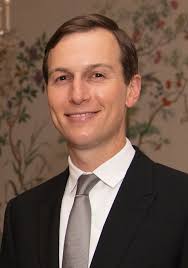
Jared Kushner, son-in-law of former President Donald Trump, has remained a significant figure in American politics, particularly during Trump’s presidency. His unique background as a businessman and real estate developer, combined with his close relationship with the Trump family, positioned him at the heart of many policy decisions impacting both domestic and international landscapes. Understanding Kushner’s role provides insights into the dynamics of the Trump administration and its ongoing influence in present-day politics.
Kushner’s Background and Political Rise
Born in 1981, Jared Kushner grew up in New Jersey and graduated from Harvard University before entering the family real estate business, Kushner Companies. His marriage to Ivanka Trump in 2009 further cemented his ties to the Trump family. When Donald Trump entered the presidential race in 2016, Kushner became one of his key advisors, focusing on various aspects including the campaign’s digital strategy and outreach to younger voters. His influence only grew during the transition period as he was appointed Senior Advisor to the President.
Key Policies and Initiatives
One of Kushner’s most notable contributions was in foreign policy, most prominently in handling relations between Israel and Palestine. He played a pivotal role in brokering the Abraham Accords, which normalised relations between Israel and several Arab nations, a move that was seen as landmark diplomacy in the Middle East. Additionally, Kushner was involved in initiatives aimed at criminal justice reform and tackling the opioid crisis, although these efforts received mixed reviews from various stakeholders.
Recent Developments and Legacy Concerns
Following the end of Trump’s presidency, Kushner’s influence has waned in the political arena, yet his connections and experiences continue to hold estimates of value. He has since shifted his focus to business ventures and philanthropic efforts. His investment firm, Affinity Partners, raised funds for various projects in the Middle East, indicating that his relationship with foreign governments may continue to evolve.
Moreover, the recent ruminations regarding his role in January 6 Capitol riots and his interactions with election officials remain the subject of scrutiny as investigations continue into the events that unfolded.
Conclusion
The significance of Jared Kushner in contemporary politics cannot be underestimated. His strategic positioning during one of the most tumultuous times in American political history offers valuable lessons on the interconnectedness of personal relationships and politics. As the consequences of the previous administration continue to unfold, Kushner’s future ventures and any return to political life remain of keen interest to observers of American politics. The implications of his actions will likely influence policy and governance discussions in the years to come.