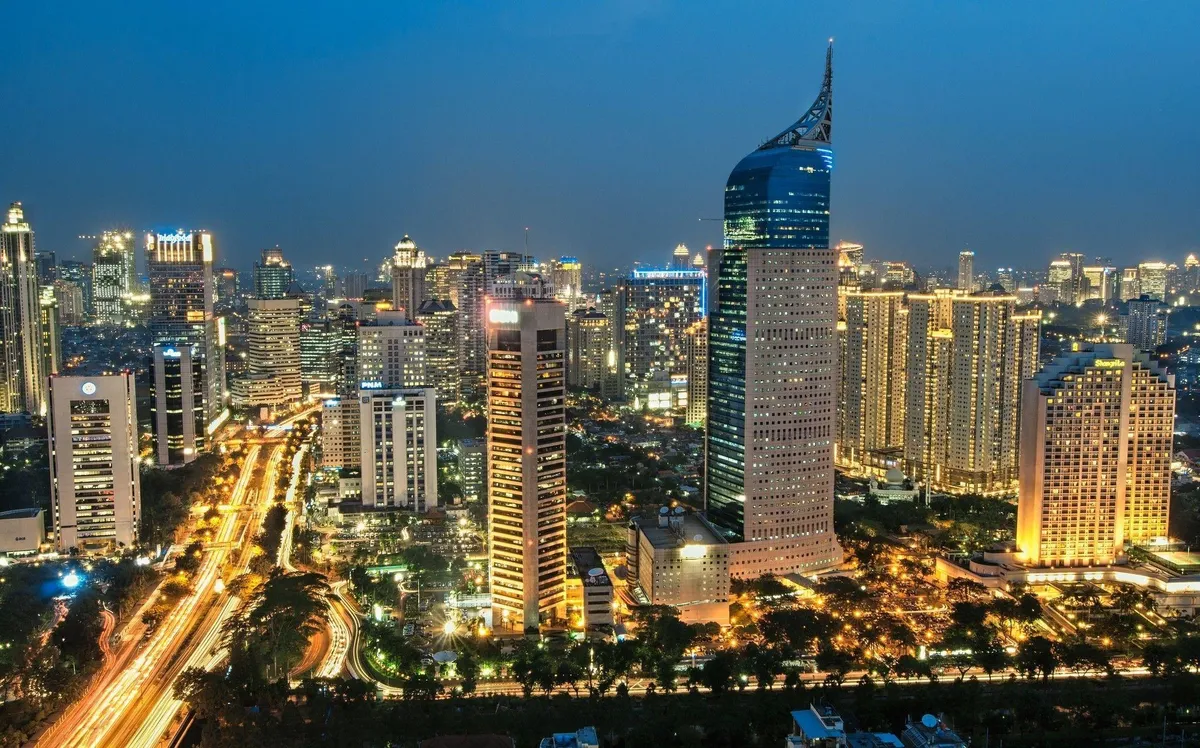
Jakarta, Indonesia, has long been recognized as the world’s most populated city, housing an astonishing 42 million people. However, this rapid growth has come at a significant cost. Just a few decades ago, in the first half of the twentieth century, Jakarta was home to only 150,000 residents. The city has transformed dramatically, but this explosive expansion has led to severe environmental challenges.
In recent years, the situation has worsened. Jakarta is sinking at an alarming rate, with some areas dropping as much as six inches per year. Approximately 40 percent of the city is below sea level, making it particularly vulnerable to flooding. In 2020, Jakarta experienced record flooding that tragically resulted in the deaths of more than 60 people, highlighting the urgent need for effective solutions.
The decisive moment came when the government announced plans for a massive 435-mile seawall project aimed at protecting the city from rising sea levels, which have increased by four inches over the past three decades. This ambitious initiative, however, is not a quick fix. President Joko Widodo emphasized that this is a “massive project with a timeline of 15 to 20 years. This isn’t a one-to two-year project.”
As the city grapples with these challenges, the direct effects on its residents are profound. Local voices, such as Ratini, describe the dire conditions: “The water can reach thigh high. Cars and motorcycles can’t enter the area.” Meanwhile, M. Abdul Baits poignantly notes, “This is proof that Jakarta has sunk below sea level here. This used to be a two-story house.” These firsthand accounts illustrate the immediate impact of environmental degradation on daily life.
Despite the government’s efforts, experts caution that relocating the capital does not address the root environmental and social problems. M. Abdul Baits warns, “Those issues remain unresolved.” This sentiment reflects a growing concern among residents and environmental advocates about the sustainability of Jakarta’s future.
Margit Tedjasasmita, recently appointed Commercial Director at Four Seasons Hotel Jakarta, represents the business community’s interest in finding solutions that balance economic growth with environmental responsibility. The collaboration between government, businesses, and communities will be crucial in navigating the challenges ahead.
As Jakarta continues to evolve, the community must come together to address these pressing issues. The future of this vibrant city depends on collective action and innovative solutions to combat the effects of climate change and urban overdevelopment.