Introduction
Istanbul, a city that straddles two continents, Europe and Asia, is a beacon of historical significance and cultural diversity. As Turkey’s largest city, Istanbul plays a crucial role in the socio-economic and geopolitical landscape of the region, attracting millions of visitors each year. The city’s rich tapestry of history, architecture, and cuisine makes it not only a must-visit destination but also an important focal point for understanding the historical interplay between East and West.
Historical Background
Originally founded as Byzantium in the 7th century BC, Istanbul has undergone several transformations. It became Constantinople in 330 AD when the Roman Emperor Constantine made it the capital of the Byzantine Empire. The city further flourished during the Ottoman Empire, which reigned from the 14th to the early 20th century. This historical legacy is evident in landmarks such as the Hagia Sophia, Topkapi Palace, and the Blue Mosque, showcasing a blend of Byzantine and Ottoman architecture.
Modern-Day Istanbul
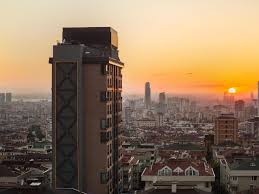
Today, Istanbul stands as a vibrant metropolis, home to over 15 million people. The city is a melting pot of cultures, with a dynamic arts scene, world-renowned culinary offerings, and a bustling economy. Recent developments such as the Istanbul Canal project aim to further boost the city’s status as a global hub. However, the city also faces challenges, including population density, urban sprawl, and environmental issues, prompting discussions on sustainable development.
Cultural Significance
Culturally, Istanbul offers a unique experience that appeals to both locals and tourists. The city hosts numerous festivals, art exhibitions, and musical events throughout the year. Culinary tours allow visitors to sample traditional dishes, ranging from kebabs to baklava, while local markets, like the Grand Bazaar and Spice Bazaar, provide a sensory overload of sights and sounds. Furthermore, Istanbul’s unique position has historically made it a crucial crossroads for trade, religion, and ideas.
Conclusion
Istanbul’s importance as a historical, cultural, and economic centre is undeniable. As it continues to embrace both its rich past and modern innovations, the city is set to remain in the spotlight. For travellers, researchers, and historians alike, Istanbul is not just a destination but a living museum, ready to tell its stories to all who visit. Understanding its complexities will provide insight into the broader currents of human civilisation.