Introduction
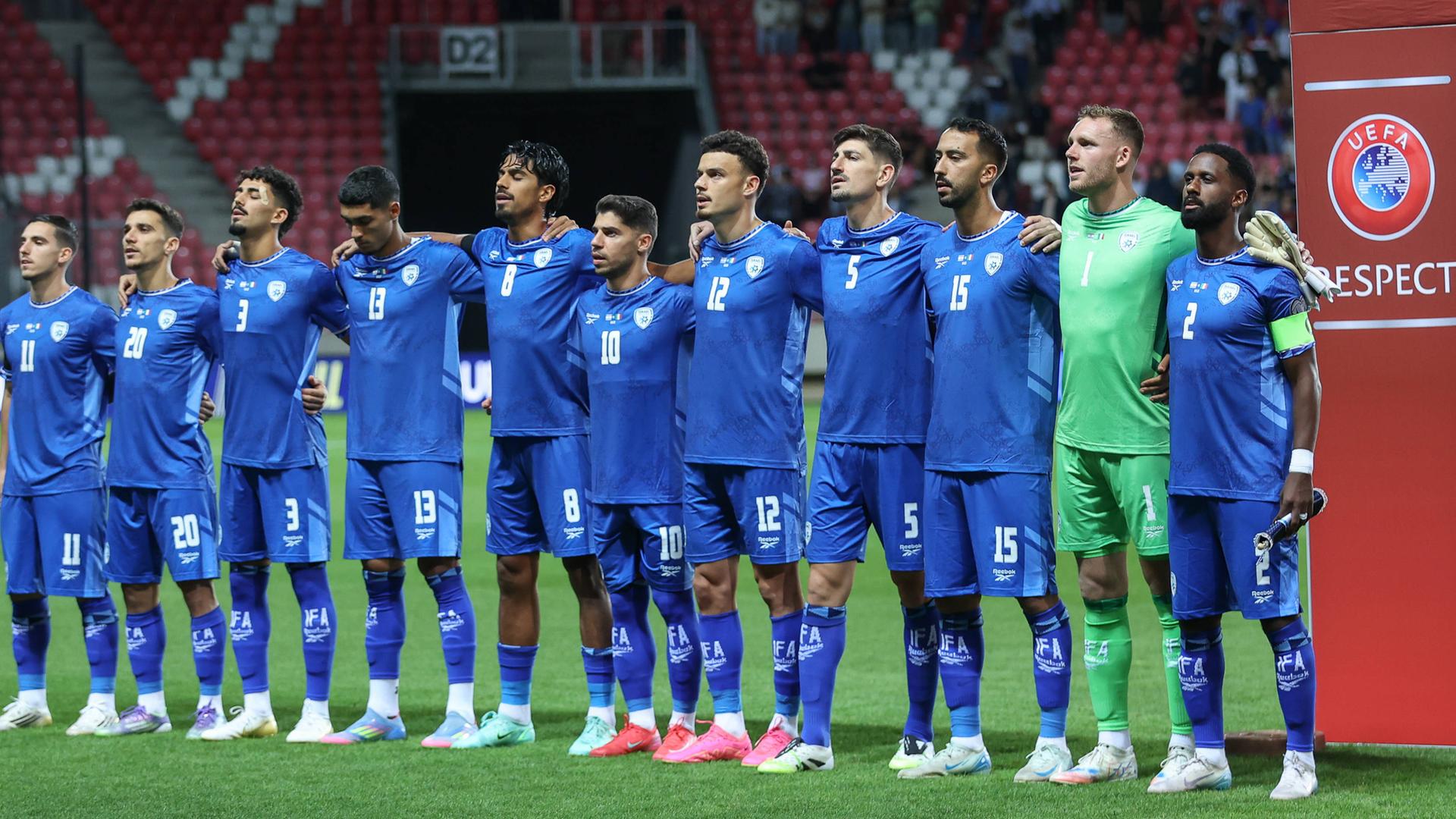
The participation of Israel in UEFA (Union of European Football Associations) competitions is a topic of great significance, not only within the realm of sports but also in terms of regional politics and diplomacy. As a nation with a unique geopolitical status, Israel’s involvement in European football has generated both support and controversy, making it a focal point of discussion among sports enthusiasts and international relations experts alike.
Israel’s UEFA Membership
Israel became a member of UEFA in 1984 after being suspended from competing in the Asian Football Confederation (AFC) due to political reasons and conflicts with neighbouring states. Over the years, Israeli clubs and the national team have participated in various UEFA competitions, including the UEFA Champions League and the UEFA European Championship qualifiers.
Recent Developments
In recent years, Israel’s success in UEFA competitions has been notable, with clubs like Maccabi Tel Aviv and Hapoel Be’er Sheva making headlines by reaching the group stages of prestigious tournaments. These successes not only showcase the growing footballing talent in the country but also help to improve its international standing and visibility. Recent seasons have seen Maccabi Tel Aviv competing fiercely against top European clubs, adding a layer of excitement for Israeli fans.
Moreover, the significance of the Israeli national team’s performances has become a source of national pride. The team showed promise during the qualifiers for UEFA Euro 2020 and continues to aim for greater achievements in upcoming tournaments. However, the path to success is often hindered by ongoing political tensions in the region, which sometimes affect the morale and support for the team.
Impact on Sports and Diplomacy
The intersection of sports and politics is particularly pronounced in Israel’s case. UEFA competitions provide a platform for Israel to engage with Europe in a more positive light, showcasing its culture and talent. Nonetheless, this relationship can be fragile. Political actions and conflicts can lead to backlash from other countries, affecting Israel’s sporting relations. Events like the recent protests against matches being held in Israel highlight the challenges that the nation faces on the international stage.
Conclusion
Israel’s participation in UEFA competitions is a testament to the power of sports to transcend borders and bring people together. However, it remains a complex and sensitive topic that intertwines with geopolitical matters. As Israel continues to navigate its path in European football, the outcomes will likely have significant implications not only for sports but also for diplomatic relations within the region and beyond. The future of Israel in UEFA will depend on its ability to balance sporting success with the nuances of political realities, making it crucial for fans and observers to stay informed about developments in this arena.



