What the data shows
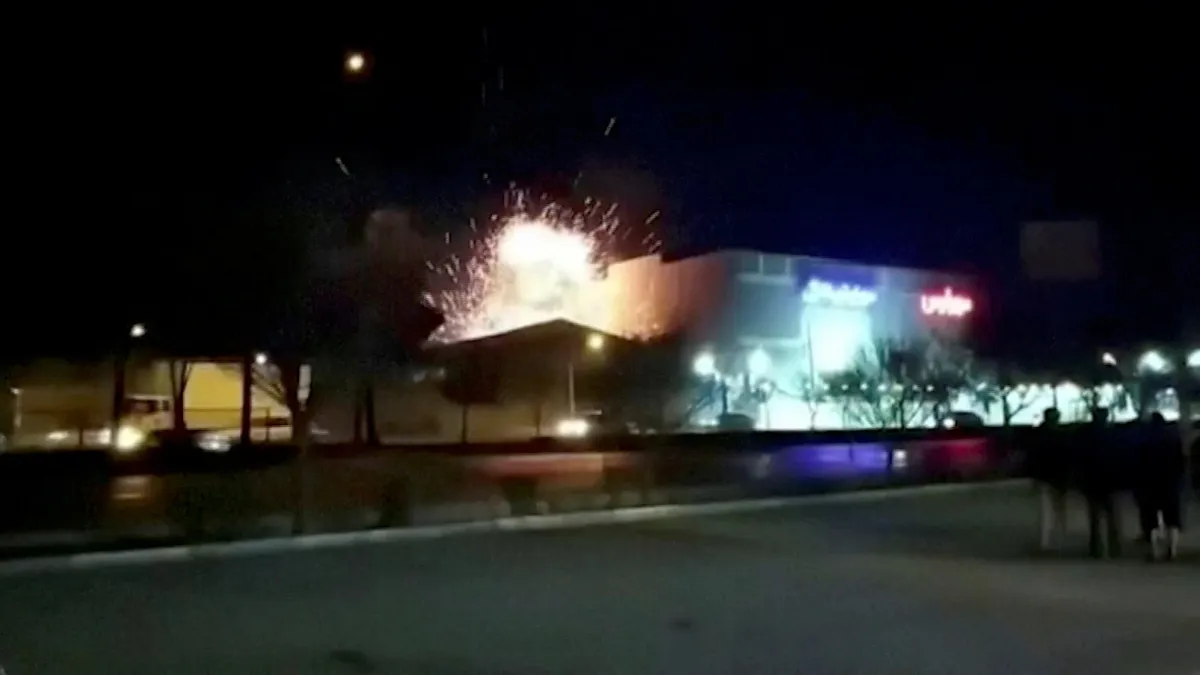
The ongoing conflict between Israel and Iran raises a crucial question: How has the situation escalated to this point, and what are the implications for the region? As of March 16, 2026, Israel has launched a new wave of attacks on Tehran, marking the 17th day of the US-Israel war on Iran. This escalation has resulted in significant casualties and damage, highlighting the severity of the conflict.
According to reports from the Iranian Red Crescent Society, the latest Israeli raids have damaged one of its clinics and an aid relief post, underscoring the humanitarian impact of the military actions. The conflict has led to a staggering death toll in Iran, with 1,444 people reported killed and 18,551 injured. This alarming statistic reflects the intense violence that has characterized the recent weeks.
The situation is further complicated by regional dynamics. Iranian authorities have arrested 18 individuals accused of working for Iran International, a satellite news channel alleged to have ties to Israel. This move indicates a tightening grip on dissent and media narratives within Iran as the government seeks to control the flow of information amidst the ongoing conflict.
In the broader Gulf region, the ramifications of the conflict are being felt. Saudi Arabia has intercepted 37 drones in its eastern territories, suggesting that the conflict’s reach extends beyond Iran and Israel. Additionally, a fire erupted near Dubai International Airport due to a drone-related incident, leading to temporary flight suspensions, which highlights the potential for escalation in civilian areas.
Former US President Donald Trump has weighed in on the situation, claiming that the US is targeting Iran’s drone factories and asserting that Iran has very little firepower left. His comments reflect a broader narrative that seeks to portray the conflict as one-sided, although the reality on the ground is far more complex.
The death toll in Lebanon has also risen to 850, with more than 100 children among the deceased. This statistic serves as a grim reminder of the conflict’s wider implications, as violence spills over into neighboring countries and exacerbates the humanitarian crisis in the region.
As the conflict continues, Iranian Deputy Foreign Minister Abbas Araghchi stated, “No, we never asked for a ceasefire, and we have never asked even for negotiation. We are ready to defend ourselves as long as it takes.” This statement underscores Iran’s determination to continue its resistance against Israeli actions, indicating that a resolution may not be forthcoming in the near future.
Looking ahead, the situation remains fluid, with many uncertainties still in play. Details remain unconfirmed regarding the full extent of the conflict’s impact on regional stability and international relations. The involvement of various nations, including the United States, UAE, and India, adds layers of complexity to an already volatile situation.