Introduction
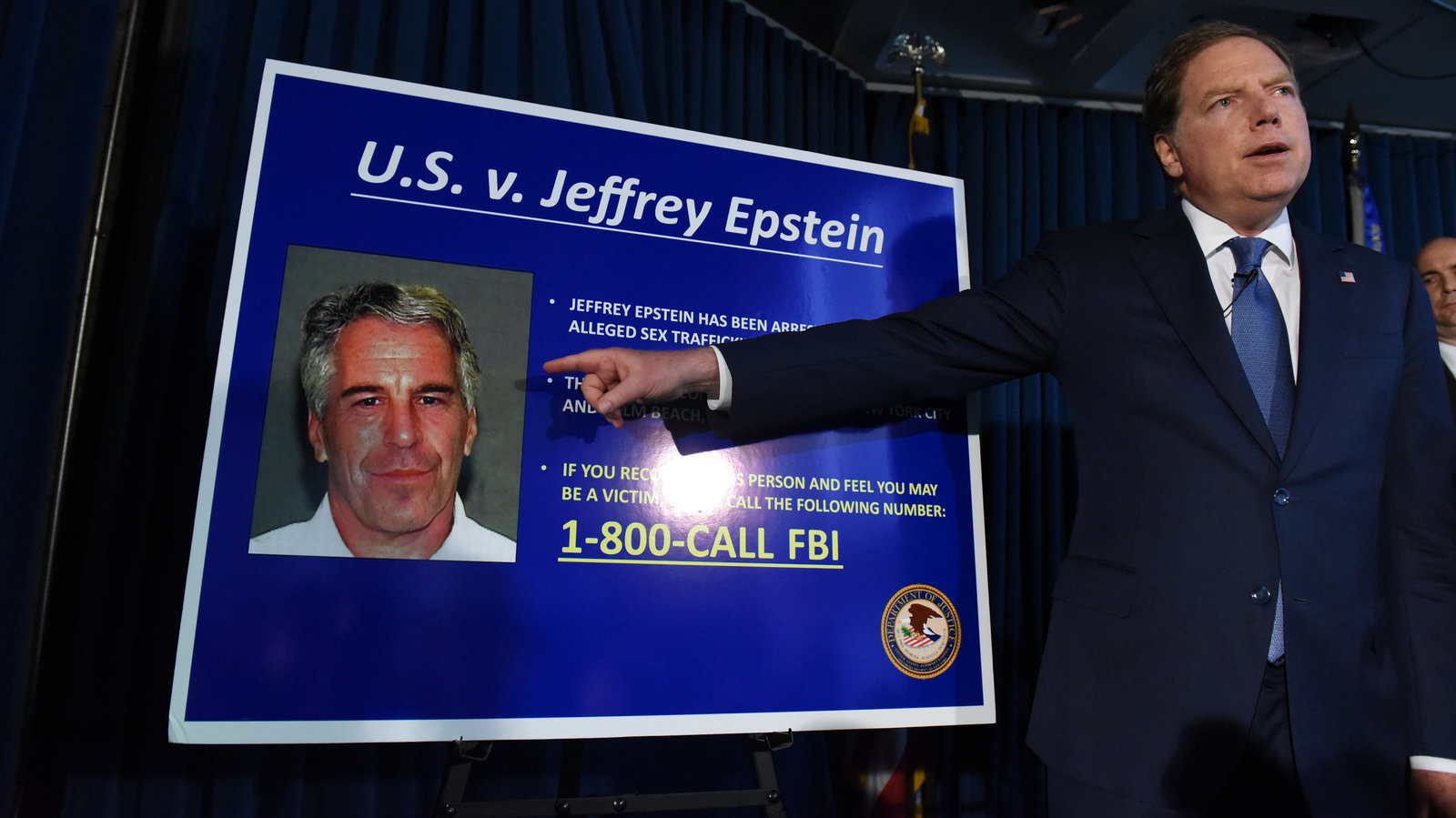
The question of Jeffrey Epstein’s death continues to resonate, raising numerous inquiries surrounding the circumstances and implications of his passing. Epstein, a financier and convicted sex offender, was found dead in his jail cell on August 10, 2019, in what was ruled a suicide by hanging. This incident not only shocked the public but also ignited a fervent discussion surrounding accountability, justice, and conspiracy theories. As new evidence and perspectives emerge, it is essential to re-examine the significance of Epstein’s death and its relevance to ongoing discussions about powerful individuals and their impact on society.
Details Surrounding Epstein’s Death
Epstein’s death occurred while he was awaiting trial on serious charges of sex trafficking minors. The timing of his death raised eyebrows and led to widespread speculation about the events leading up to that moment. In particular, questions arose regarding the inadequate security measures in the Metropolitan Correctional Center (MCC) where he was held, notably the failure of cameras and the absence of guards during the time of his death.
Following Epstein’s death, the official report from the New York City Medical Examiner’s Office stated that he died from suicide. However, this conclusion has not quelled public skepticism. Investigations into his connections with numerous influential figures—including politicians, celebrities, and academics—continue to fuel conspiracy theories. Many believe that Epstein held compromising information that certain individuals might want to keep hidden, suggesting that foul play may have been involved in his demise.
The Impact of Epstein’s Death
The consequences of Epstein’s death impact more than just the immediate legal proceedings; they extend into broader discussions about systemic issues. His passing raised visibility around the subjects of sexual abuse, trafficking, and the legal system’s failures to protect victims. Advocates argue that securing justice for Epstein’s victims is contingent upon transparency and accountability for not just Epstein, but the network of individuals who allegedly facilitated his actions.
Conclusion
In conclusion, while the official stance is that Jeffrey Epstein died by suicide, the complexities surrounding his life and death continue to fascinate and provoke debate. The implications of his case reach far beyond the individual, drawing attention to important issues of power abuse and the impact of privilege within the justice system. As investigations continue and new information surfaces, the questions surrounding Epstein’s death are likely to endure, reminding society of the need for vigilance in the pursuit of justice and the protection of vulnerable individuals.



