Understanding Diwali’s Importance
Diwali, also known as the Festival of Lights, is one of the most significant festivals celebrated across India and by Indian communities around the world. This five-day festival usually falls between October and November, marking the end of the harvest season and the beginning of winter, symbolising light triumphing over darkness.
Determining the Dates of Diwali
As the festival follows the lunar calendar, the dates for Diwali vary each year. In 2023, the main celebration of Diwali is on November 12. However, people often get confused and wonder, “Is it Diwali today?” To clarify, one can refer to the Hindu calendar that indicates the specific day of Diwali, which coincides with the new moon night (Amavasya).
Celebrations and Rituals
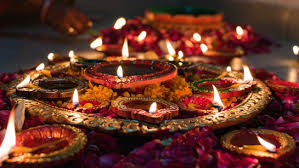
The festivities typically start days in advance, with preparations that may commence as early as a week prior to the festival. People clean and decorate their homes, light oil lamps known as diyas, and create intricate rangoli designs outside their houses. On the day of Diwali, families perform puja (prayer) to Goddess Lakshmi, seeking prosperity and well-being.
The Global Significance of Diwali
Beyond its religious connotations, Diwali has garnered recognition as a cultural celebration in various countries. Cities with large Indian populations often host grand parades and public celebrations, showcasing traditional dances and culinary delights. For instance, cities like Leicester and London in the United Kingdom prepare for massive gatherings, making it a melting pot for cultural exchange.
Conclusion: Is It Diwali Today?
If you’re wondering whether it’s Diwali today, check the date and cross-reference it with the lunar calendar. However, the spirit of Diwali is not confined to a singular day; it embodies values of hope, happiness, and togetherness that resonate throughout the year. As the festival approaches, communities globally will come together in celebration, fostering unity and understanding amidst diversity.