Significant Consequences of the Iran War
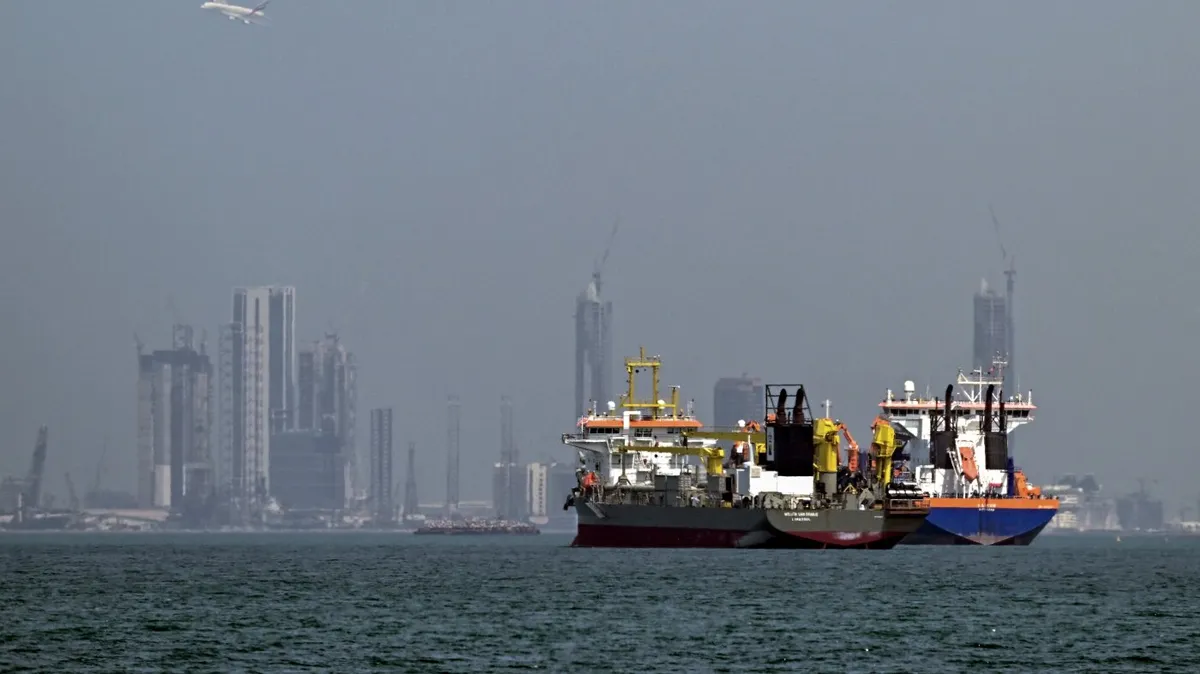
The ongoing Iran war has had a profound impact on the Strait of Hormuz, a vital passageway for oil and gas from the Persian Gulf. As a result, gasoline prices are rising, affecting consumers and businesses worldwide. The conflict has effectively shuttered the Strait to tanker traffic, raising concerns about global energy supplies.
French President Emmanuel Macron is spearheading an international effort to unblock the Strait of Hormuz, emphasizing the strategic importance of this maritime route. The situation remains precarious, as Iran has demonstrated its capability to target vessels in the Strait using anti-ship cruise missiles, drones, and naval mines.
Military Actions and Casualties
The U.S. military has taken decisive action in response to the conflict, destroying 16 mine-laying vessels near the Strait. However, the violence has escalated, with three commercial ships reportedly attacked amid the ongoing hostilities. The human toll is significant, with approximately 1,200 people killed in Iran, 580 in Lebanon, 12 in Israel, and 7 U.S. soldiers among the casualties.
Insurance premiums for shipping in the Strait of Hormuz have surged to unprecedented levels, with Chubb acting as the lead underwriter for a U.S. government-led insurance program. This increase reflects the heightened risks associated with maritime operations in the region.
Expert Opinions and Future Uncertainties
President Trump has called for the immediate removal of any mines in the Strait, emphasizing the urgency of ensuring safe passage for vessels. Meanwhile, Israeli Prime Minister Benjamin Netanyahu has expressed confidence in future developments, stating, “Your dreams will become a reality. When the time is right, and that time is fast approaching, we will pass the torch to you.”
Details remain unconfirmed regarding the exact timeline for reopening the Strait of Hormuz, and the long-term impact of the Iran war on global oil markets remains uncertain.