On May 1, 2026, Iran’s supreme leader Ayatollah Mojtaba Khamenei made a bold declaration to safeguard the country’s nuclear and missile capabilities, amidst rising tensions with the United States. This announcement comes as the U.S. continues its Navy blockade in the Persian Gulf, significantly impacting Iran’s economy.
Iran has long maintained that its nuclear program is peaceful, despite accusations from the U.S. Yet, the ongoing military operation has strained relations further. The U.S. State Department has instructed diplomats to seek support for a ‘maritime freedom construct’ in the Strait of Hormuz, a critical shipping lane where Iran holds considerable influence.
The economic repercussions are palpable. The U.S. Navy blockade has halted 44 commercial vessels, leaving many Iranian oil tankers stranded and contributing to soaring Brent crude oil prices at $126 per barrel. Local businesses are feeling the pinch as inflation rises and jobs dwindle.
In a recent statement, Khamenei said, “The only place Americans belonged in the Persian Gulf is ‘at the bottom of its waters.'” This reflects not only his defiance but also a growing sentiment among many Iranians who have protested against both domestic issues and foreign interference.
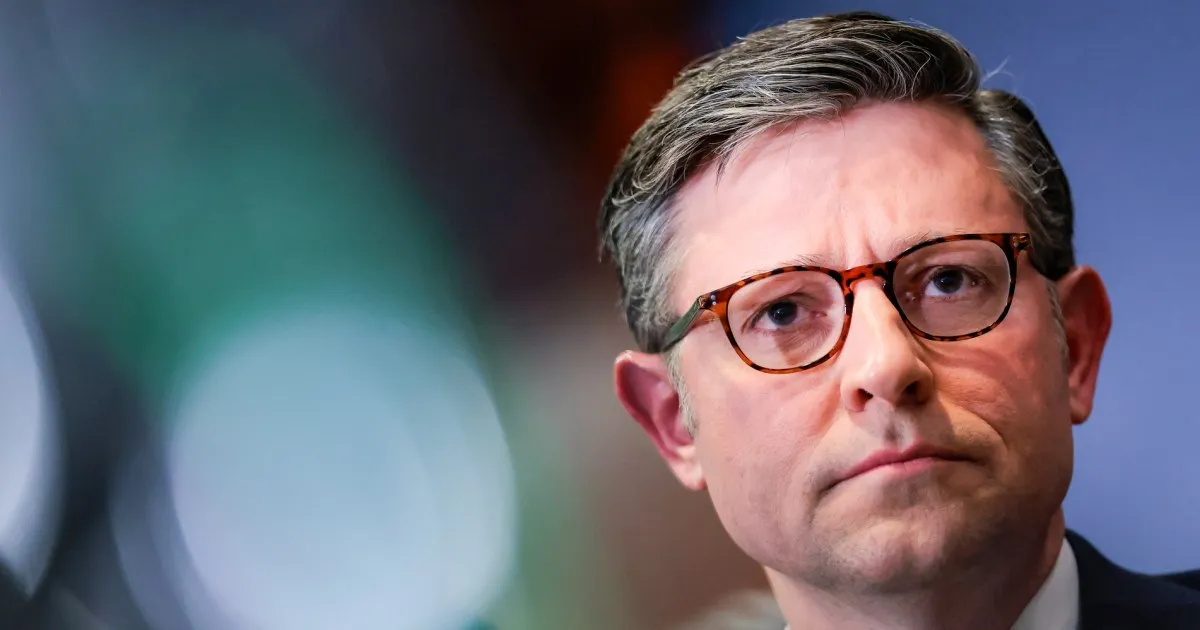
House Speaker Mike Johnson emphasized that despite these tensions, “We are not at war.” However, with over $25 billion already spent on military operations related to Iran, the situation remains volatile. Observers note that Iran executed 21 people since the war began, further escalating domestic unrest.
Many Gulf Arab nations view Iran’s control over the Strait of Hormuz as a significant security concern. As diplomatic negotiations continue behind closed doors—details of which remain undisclosed—there is uncertainty about whether President Trump will request a 30-day extension for military action under the War Powers Resolution.
The stakes are high as both sides navigate these turbulent waters. With local economies suffering and international alliances tested, many wonder what will unfold next in this complex geopolitical landscape.