Introduction
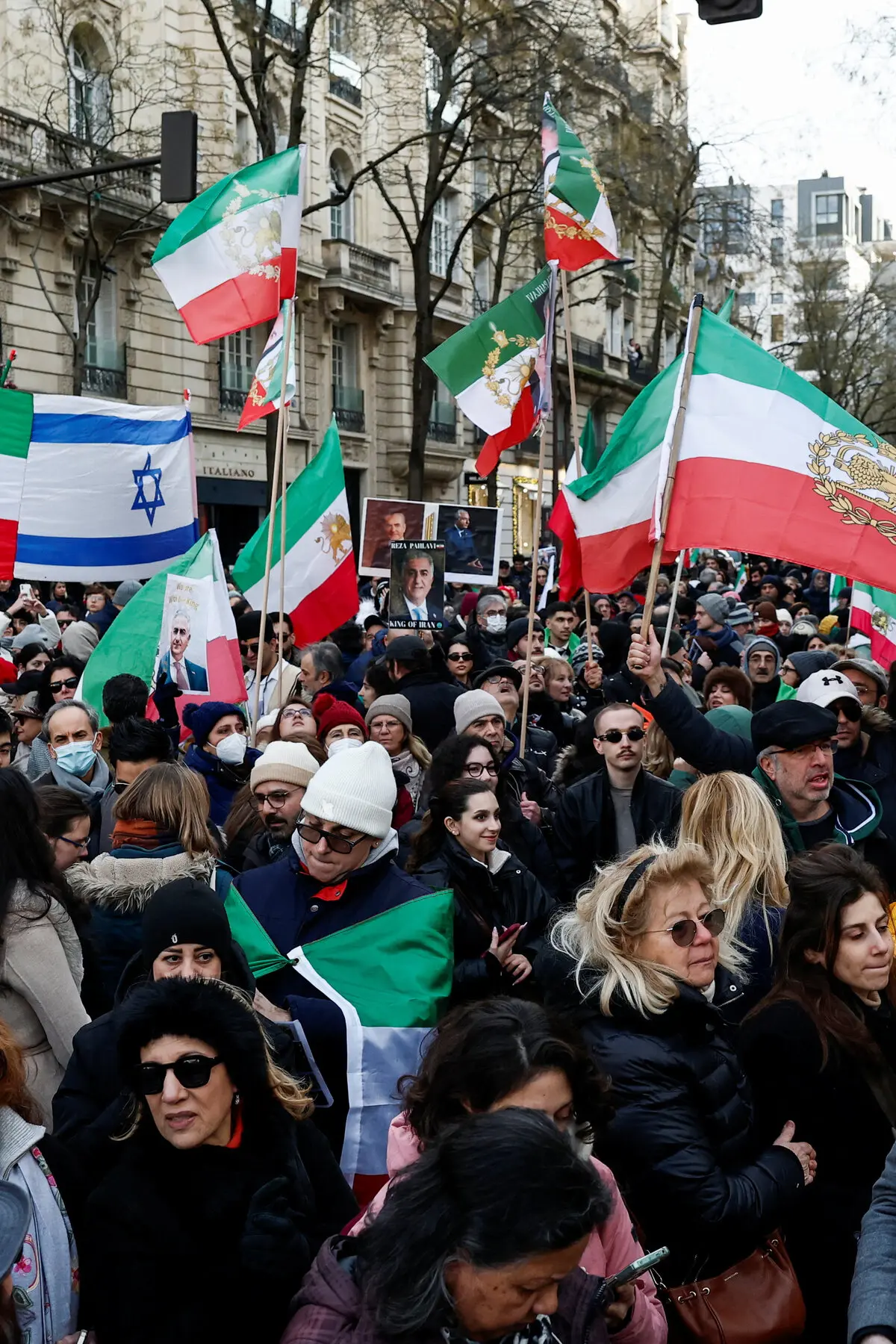
The protests in Iran have gained significant international attention as citizens stand up against government policies and repression. Originating from various social and economic grievances, these demonstrations have evolved into a powerful movement calling for change across the nation. Understanding the context and implications of these protests is vital for grasping the current political landscape in Iran.
Background of the Protests
The current round of protests in Iran began in mid-September 2022 following the death of Mahsa Amini, a young woman who was detained by the morality police for allegedly violating the country’s strict dress code. Her death sparked outrage among Iranians, leading to widespread demonstrations calling for justice and reform. Protesters have since expanded their demands to include greater personal freedoms, gender equality, and a halt to the oppressive tactics employed by the Iranian government.
Major Developments
As the protests have escalated, significant events have unfolded. Over the past year, security forces have responded with increasing violence, resulting in casualties and arrests. Human rights organisations estimate that thousands have been detained, with many facing harsh treatment. Despite the government’s crackdown, protests have continued, showing the resilience and determination of the Iranian populace. International leaders have condemned the government’s actions and called for accountability, further highlighting the global significance of the situation.
Impact on Society and Politics
The ongoing protests have provoked a range of reactions within Iranian society. While the government continues to suppress dissent, public support for the movement appears to be broadening, with various social groups joining in solidarity. The protests have also exposed deep divisions within the Iranian political system, prompting some officials to question their stance towards traditional policies. This unrest is not only reshaping social dynamics but could also force a reevaluation of Iran’s foreign policy, especially in relation to tense relationships with the West.
Conclusion
The ongoing Iran protests represent a critical moment in the country’s history, with potential long-term implications for its political landscape. As demonstrations continue, it remains unclear how the government will respond to the mounting pressure for reform. Observers anticipate that, regardless of short-term outcomes, these protests will influence Iran’s socio-political trajectory for years to come. For readers, understanding the context of these events is essential, particularly as they shape the lived experiences of millions of Iranians and the future of the nation.