How it unfolded
As the sun set over Iran on March 31, 2026, the nation found itself at a crossroads, facing unprecedented tensions with the United States. The backdrop of this conflict has been marked by a series of military actions and diplomatic exchanges that have left many in the region anxious about the future. With President Donald Trump asserting that the Iran war is likely to end soon, the stakes have never been higher.
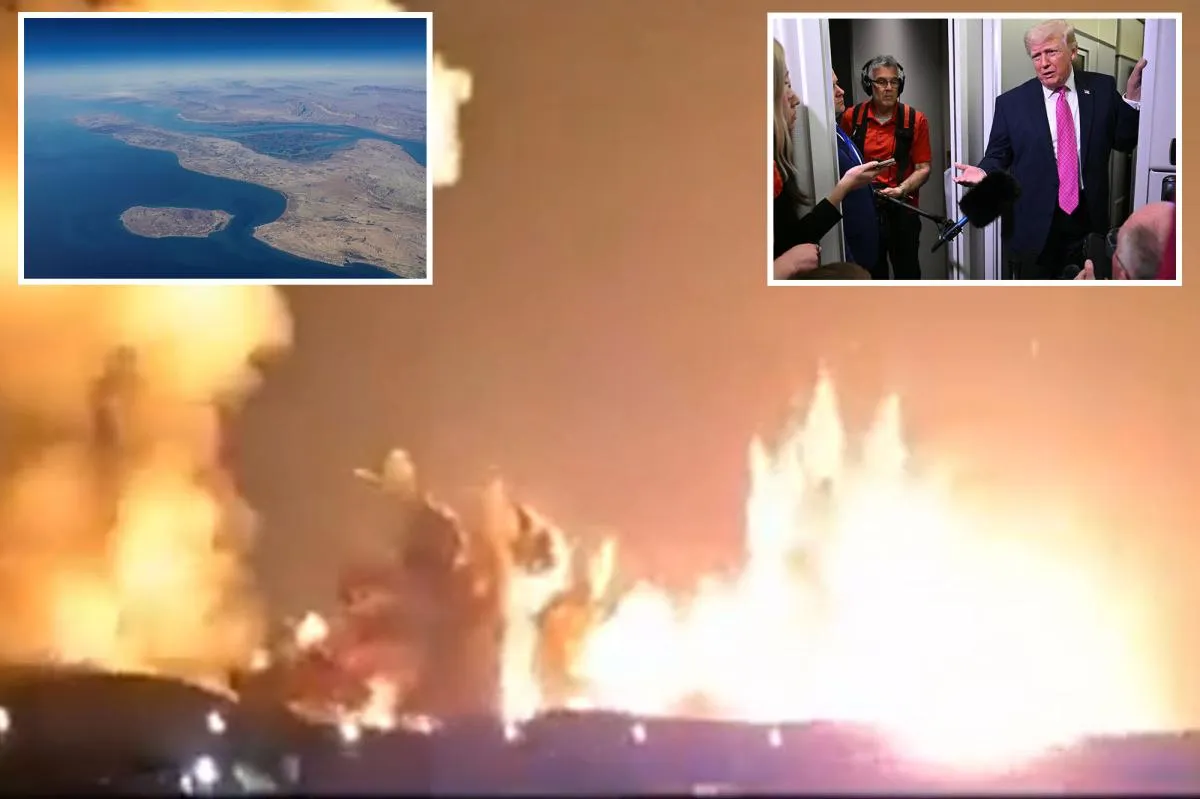
In a dramatic turn of events, Iran has closed the strategically vital Strait of Hormuz to most international shipping for 31 days, a move that has sent shockwaves through global oil markets. This closure has not only heightened tensions but has also led to a significant increase in Brent crude oil prices, which have surged to $115, reflecting a 60% rise since the onset of the conflict. The economic implications of this closure are profound, affecting not just Iran but also countries reliant on oil imports.
On the diplomatic front, President Trump has issued an ultimatum to Iran, demanding that the Strait be reopened by April 6 or face potential U.S. airstrikes. Trump’s rhetoric has been strikingly aggressive, stating, “We’re obliterating the s–t out of them right now,” underscoring the urgency of the situation. The threat of widespread destruction of Iran’s energy resources looms large, creating a climate of fear and uncertainty.
As the conflict escalates, Iran has retaliated by striking a key water and electrical plant in Kuwait, further complicating the already tense regional dynamics. In response, the U.S. has targeted military positions on Kharg Island, signaling a willingness to engage militarily if necessary. The situation has resulted in significant casualties, with reports indicating that approximately 1,900 people have been killed in Iran, alongside 1,200 in Lebanon and 19 in Israel during the ongoing conflict.
Despite the harsh realities of war, Iran’s Foreign Minister, Abbas Araghchi, has emphasized that communication with the U.S. should not be misconstrued as negotiations. He stated, “What’s happening now is not negotiations, but rather an exchange of messages either directly or via our friends in the region.” This statement reflects the complex nature of diplomacy in times of conflict, where dialogue can often be misinterpreted.
Iran’s conditions for ending the war are clear: they demand guarantees against future attacks and reparations for damages incurred during the conflict. Noura Al Kaabi, a key figure in the Iranian government, has voiced the sentiment of many when she stated, “We want a guarantee that this will never happen again.” These demands highlight the deep-seated mistrust that exists between the two nations and the challenges that lie ahead in achieving a lasting peace.
As the April 6 deadline approaches, the international community watches closely, hoping for a resolution that could stabilize the region. The outcome of these negotiations will not only affect Iran and the U.S. but also have far-reaching implications for global energy markets and geopolitical stability. The people of Iran, who have endured significant hardships during this conflict, remain hopeful for a peaceful resolution that will allow them to rebuild and move forward.
In this critical moment, the role of the Iran President is pivotal. With the weight of history and the hopes of a nation resting on their shoulders, the decisions made in the coming days could shape the future of Iran and its place in the world for years to come.