“I will soon be reviewing the plan that Iran has just sent to us, but can’t imagine that it would be acceptable in that they have not yet paid a big enough price for what they have done to Humanity, and the World, over the last 47 years,” said Donald Trump regarding Iran’s recent peace proposal.
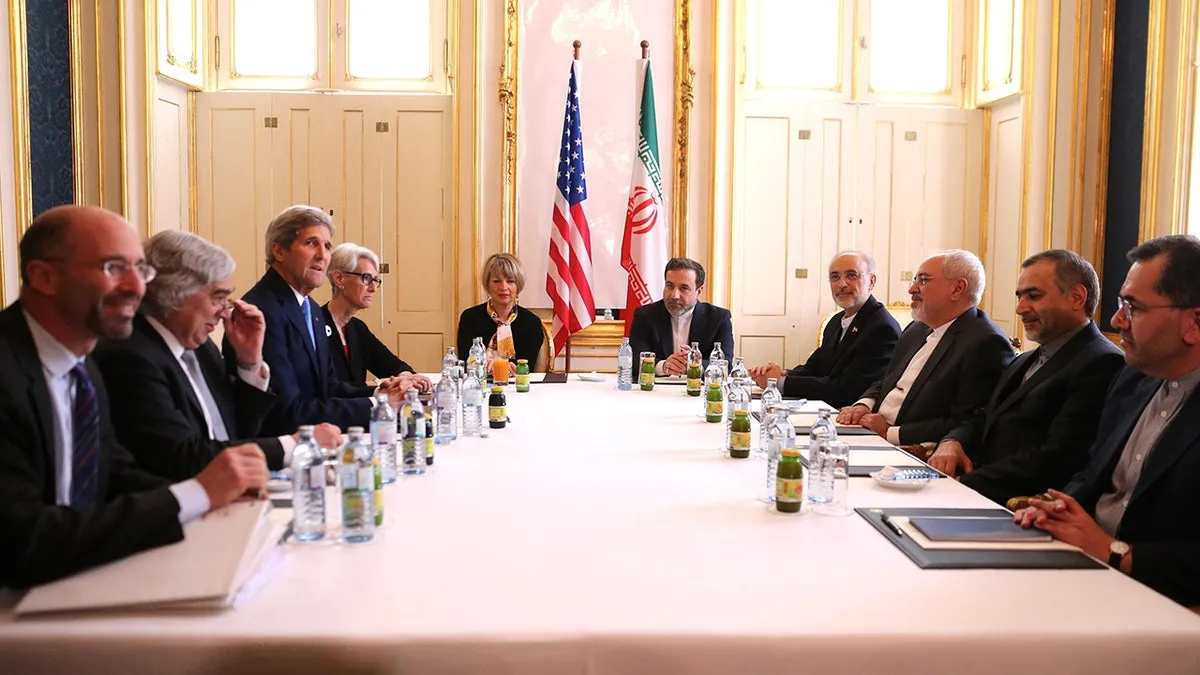
Iran presented a comprehensive 14-point peace proposal to the United States, which includes a 30-day phase aimed at transforming a ceasefire into a complete end to hostilities. The proposal calls for the US to lift sanctions, end its blockade, and withdraw forces from the region. Yet, it notably lacks any clauses addressing nuclear issues—something that has been a sticking point in previous negotiations.
Iran’s Foreign Ministry emphasized that their proposal did not include any nuclear clauses. Instead, it suggests a strategic dialogue with neighboring Arab states and proposes a 15-year freeze on uranium enrichment. Esmaeil Baghaei, an Iranian official, stated clearly, “Iran’s proposal did not include any clause related to the nuclear issue.” This approach aims to create an environment conducive for future talks.
However, Trump remains skeptical. He pointed out that Iran has been blocking nearly all shipping from the Gulf for over two months—a move that threatens regional stability and raises concerns about global oil supplies. The Strait of Hormuz is crucial as it affects 20 percent of the world’s oil and gas supplies. In his view, without significant consequences for Iran’s past actions, any agreement is unlikely to hold.
The US has responded through Pakistani mediators, indicating ongoing diplomatic efforts despite the tensions. The desire to establish a more robust Middle East security system is evident in both nations’ dialogues. Still, uncertainties linger about how these negotiations will unfold and what exact wording will be used in official communications.
The backdrop of this situation includes a suspension of bombing campaigns by the US and Israel against Iran four weeks ago—a tactical pause that may signal an openness to dialogue but also reflects deep-rooted mistrust. As both sides navigate these complex waters, the stakes remain high.
As discussions continue, observers are keenly watching how Trump’s administration will respond formally to Iran’s proposals. The next steps in this intricate dance of diplomacy could shape US-Iran relations for years to come.