What observers say
“We risk entering into a new chapter,” warned Mohamad Elmasry, reflecting the heightened tensions between Iran and Israel as the conflict escalates. The situation has become increasingly dire, with both nations engaging in a series of military strikes that have resulted in significant casualties and destruction.
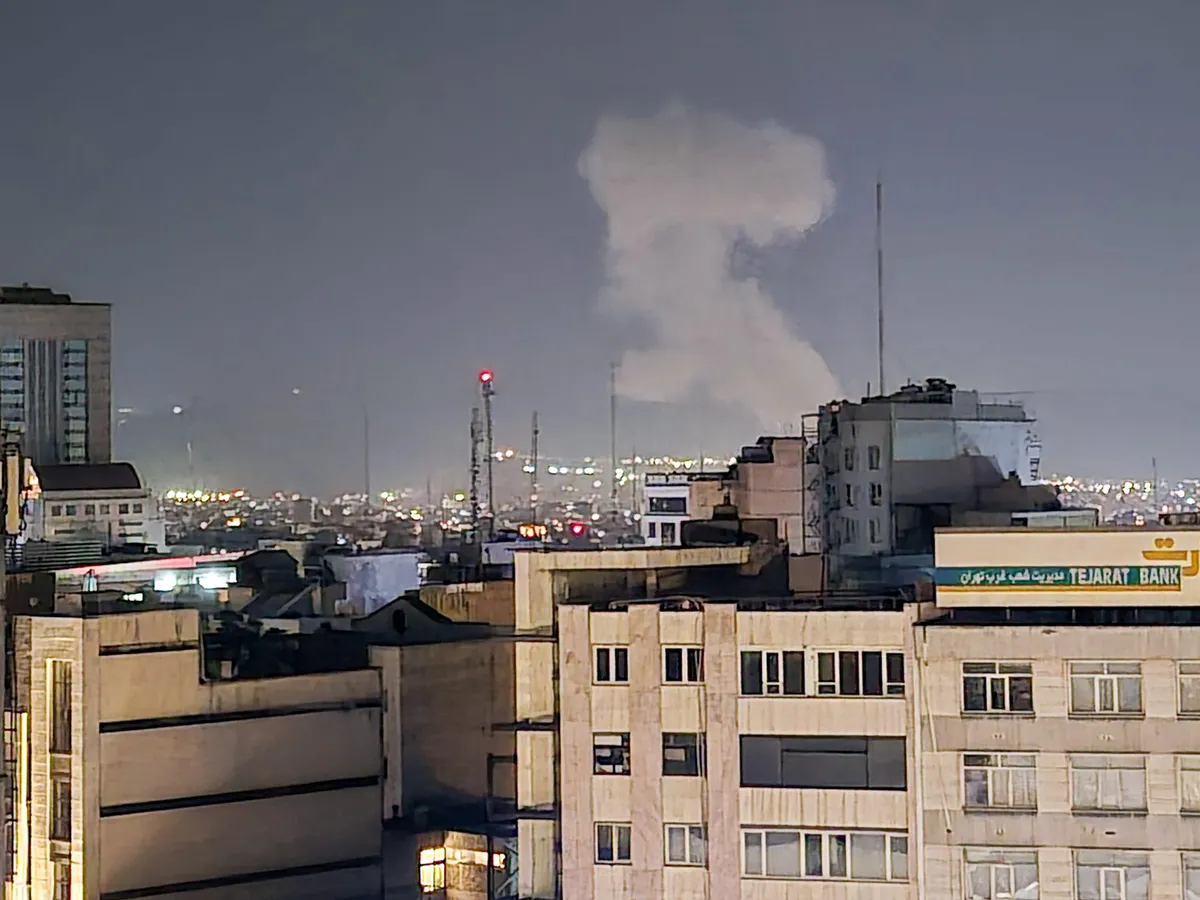
On March 23, 2026, Israel and the United States launched a new wave of attacks against Iran, targeting critical infrastructure in Tehran. This military action was met with a swift response from Iran, which activated its air defense systems as US-Israeli drones flew over the capital. The Iranian military has vowed to retaliate against any attacks on its power plants, with the Islamic Revolutionary Guard Corps (IRGC) stating, “Do not doubt that we will do this.” This statement underscores the seriousness of the threat posed by Iran in the ongoing conflict.
The backdrop of this escalation lies in Iran’s renewed strikes on Gulf neighbors, which have heightened tensions in the region. The Israeli military reported a wide-scale wave of strikes on infrastructure targets in Tehran, leading to devastating consequences. More than 80,000 civilian building units have been hit in Iran, including hospitals and schools, raising concerns about the humanitarian impact of the conflict.
As the situation unfolds, the death toll in Iran has surpassed 1,500, while 15 people have been killed in Israel due to Iranian attacks. These figures highlight the tragic human cost of the ongoing hostilities, which have left many families grieving and communities shattered.
In a surprising turn, former President Donald Trump commented on the situation, stating, “Iran and the US had very good and productive conversations.” This remark has raised eyebrows, as many observers question the effectiveness of diplomatic efforts in the face of escalating violence. The concern in Israel is that the US might stop the war prematurely, potentially leaving Israel vulnerable to further attacks.
As the conflict continues, Iran has threatened to hit power plants in Israel and other countries if its own power plants are targeted. This tit-for-tat rhetoric only adds to the uncertainty surrounding the situation, with many fearing that the conflict could spiral out of control.
Details remain unconfirmed regarding the exact number of casualties and damage in various cities, but the situation remains critical. As both sides prepare for possible further escalations, the international community watches closely, hoping for a resolution that can bring peace to a region long plagued by conflict.