Introduction
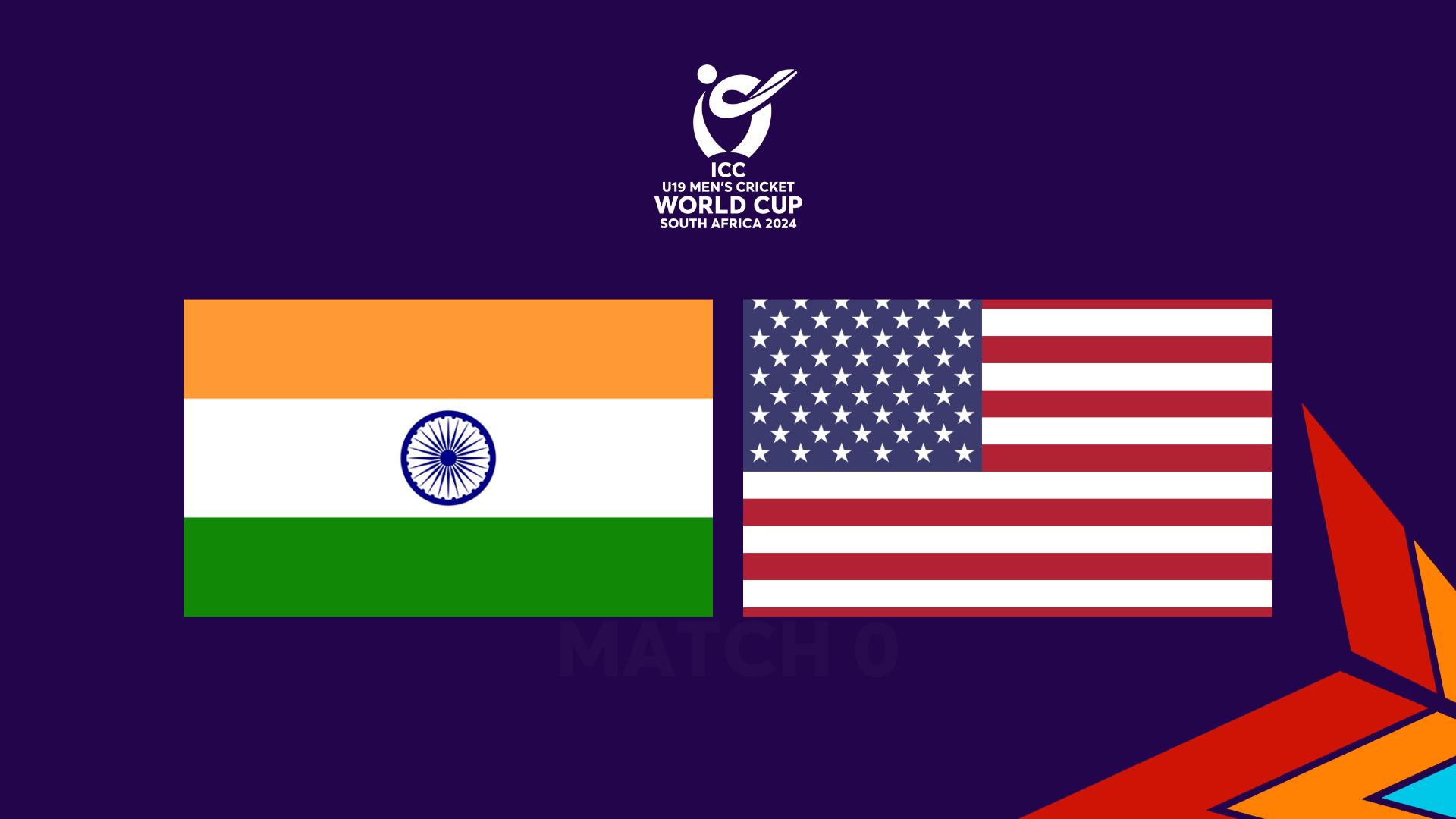
The relationship between India and the United States has been a topic of significant global interest in recent years. The two nations have vastly different cultures, economies, and political systems, yet they increasingly interact on various fronts including trade, technology, and defense. Understanding the dynamics of India vs. the USA is crucial for grasping the shifting landscape of international relations, particularly in the context of geopolitical developments.
Economic Comparison
Economically, India and the USA starkly contrast in scale and maturity. The USA boasts the largest economy in the world, with a nominal GDP of approximately $25 trillion as of 2023, driven by advanced industries, services, and technology sectors. India, in contrast, has a GDP of about $3 trillion, making it the fifth-largest economy globally. However, India’s economy is one of the fastest-growing, with projections suggesting it may surpass Germany to become the fourth-largest economy by 2025.
Technological Advances
Technologically, both nations lead in different aspects. The USA is home to many of the world’s biggest tech giants, such as Apple, Google, and Microsoft, driving innovation in various sectors. Meanwhile, India has emerged as a global leader in software services and information technology, with its services sector making substantial contributions to the economy. Collaborations in areas like AI, biotechnology, and space exploration highlight their interconnected futures.
Cultural and Social Aspects
Culturally, India is known for its rich heritage, diversity, and traditions, whereas the USA is often characterized by its multicultural society and the concept of the American Dream. This cultural exchange has seen American music, films, and fast food infiltrate Indian society, while Indian cuisine and Yoga have gained popularity in the US. Despite their differences, both nations share democratic values and a commitment to freedom and human rights.
Defense and Political Ties
In recent years, defense partnerships between India and the USA have strengthened significantly. The two countries have engaged in various military exercises and signed pivotal agreements, fostering closer ties. Strategic collaborations aim to counterbalance China’s growing influence in the Indo-Pacific region and enhance regional security.
Conclusion
The comparison of India vs. the USA reveals a complex relationship marked by both competition and collaboration. As both countries navigate their paths, the ongoing dialogues in trade, technology, and security will undoubtedly shape the global landscape for years to come. With projections of sustained economic growth in India and the continued leadership of the USA in multiple sectors, the future of this bilateral relationship holds significant implications for global politics and economics.