Introduction
The recent strike by French air traffic controllers has sent shockwaves through the aviation industry, affecting thousands of travellers and flights across Europe. This strike highlights significant ongoing disputes concerning working conditions, pay and the broader implications for air travel in the region. As countries emerge from the pandemic and air traffic resumes, the significance of labour disputes, such as this one, cannot be understated.
Main Body
The strike, initiated on October 20, 2023, by the national air traffic controller union (UNSA), was motivated by grievances regarding pay increment negotiations and excessive workloads amidst a growing demand for air travel. According to officials, up to 60% of flights to and from French airspace were cancelled or delayed as a result of the action, leading to widespread distress among passengers and airlines alike.
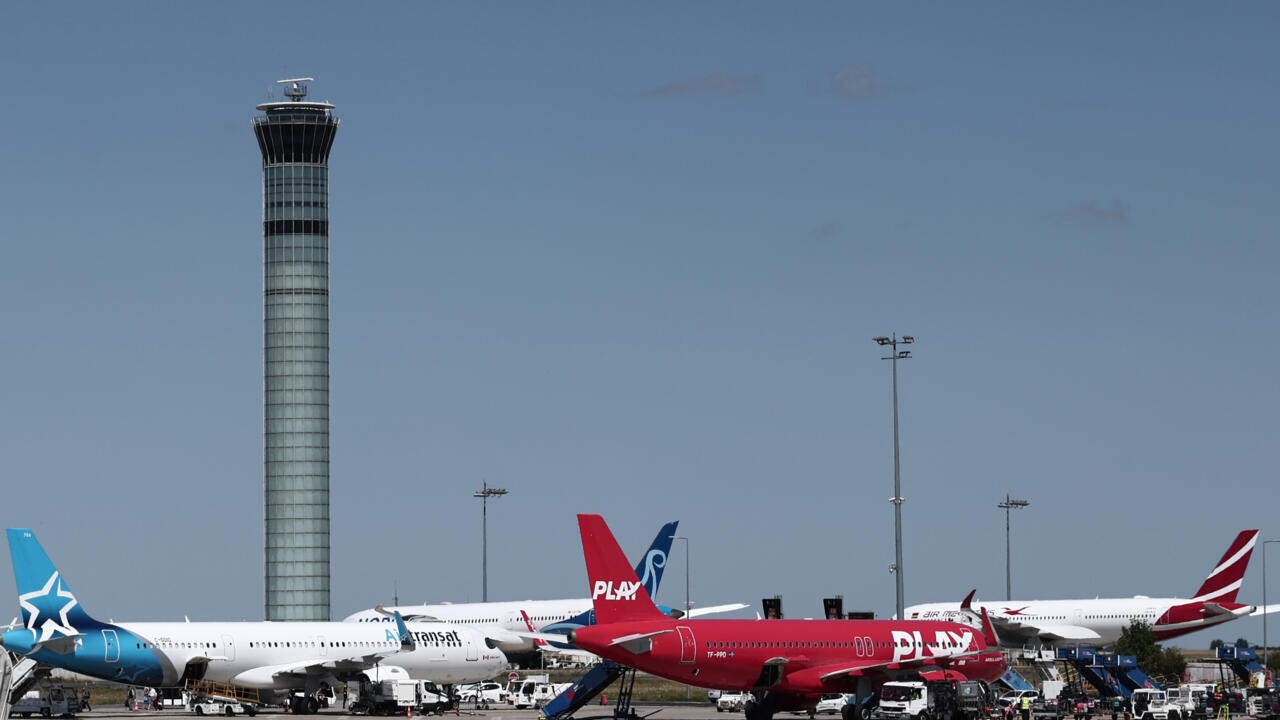
Airlines including Air France and Ryanair reported significant disruptions, with many flights being rerouted or cancelled entirely. Airports like Charles de Gaulle and Orly in Paris witnessed long queues as frustrated passengers sought alternative travel arrangements. Furthermore, neighbouring countries, such as Spain and Italy, were not immune to the chaos, as flights that would typically traverse French airspace were impacted, leading to delays well beyond French borders.
The French government has acknowledged the strike and called for urgent negotiations with air traffic unions. Minister for Transport, Clément Beaune, stressed the importance of reaching an agreement promptly to ensure the stability of air travel and the economy, which is still recovering from the COVID-19 impact. Meanwhile, unions argue that current conditions are unsustainable, asserting that air traffic controllers must be adequately compensated for their critical roles during peak travel periods.
Conclusion
The French air traffic controllers’ strike serves as a stark reminder of the fragile balance between workforce rights and the demands of a recovering travel industry. For passengers, this could mean more travel disruptions ahead if negotiations do not resolve the issues at hand. As labour disputes continue to surface globally in various sectors, observers believe it could signal a trend of increased assertiveness from workers in pursuit of improved conditions. Moving forward, the resolution of this dispute may not only impact air travel for weeks to come but could also set a precedent for how similar conflicts are addressed in the future.



