Introduction: The Growing Concern
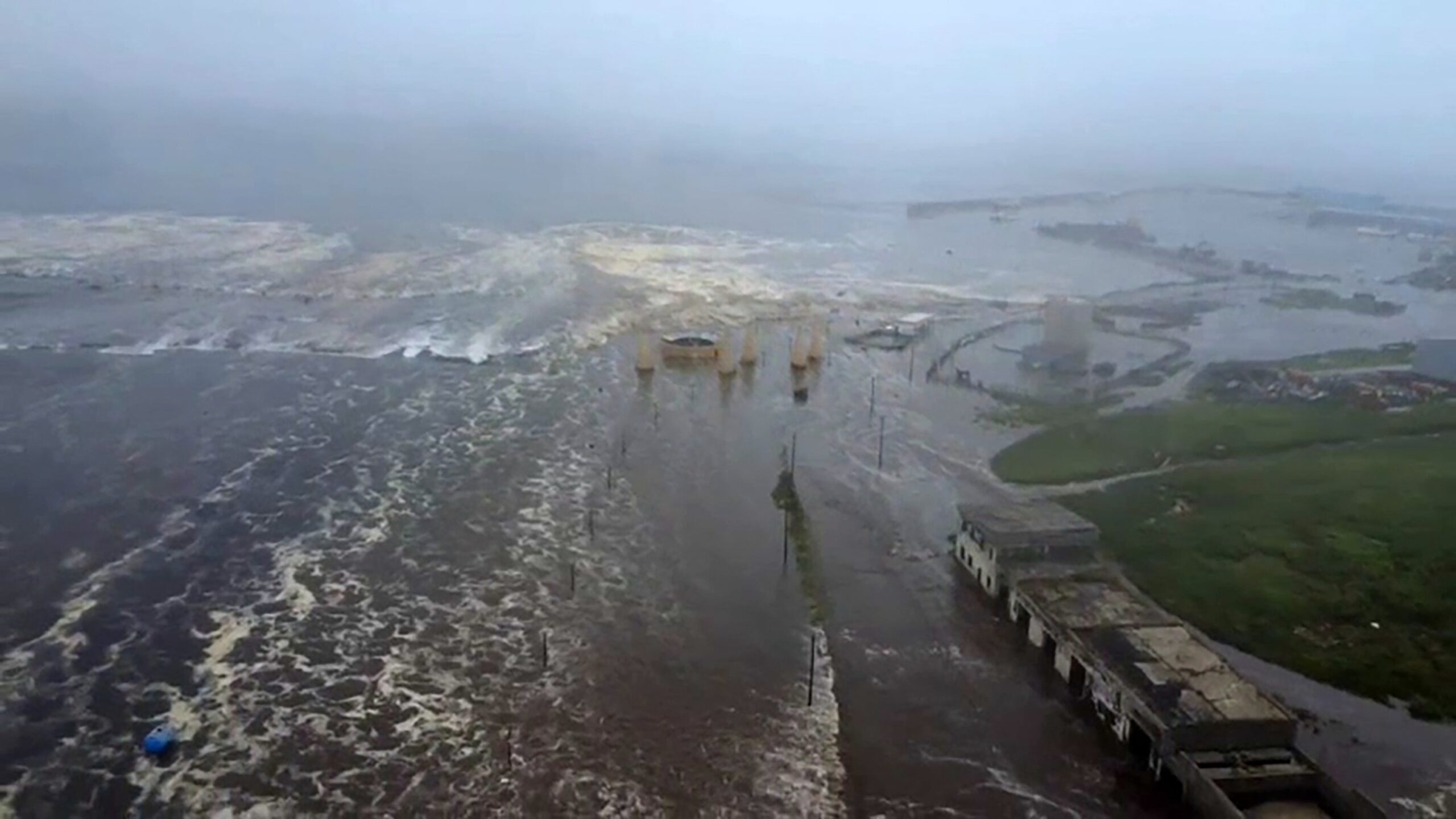
Earthquakes are a natural phenomenon that can lead to devastating consequences, including tsunamis. In recent months, Russia has experienced a spate of seismic activity, raising concerns not only for local populations but also for coastal regions across the Pacific. This phenomenon is critical given Russia’s extensive coastline and its implications for disaster preparedness and response.
Recent Earthquake Events
In October 2023, a significant earthquake measuring 7.2 on the Richter scale struck off the coast of the Kuril Islands, an area known for its tectonic activity. Reports indicated that the quake was felt as far away as Sakhalin Island, and it prompted immediate alerts for potential tsunamis. Despite the initial fears, the tsunami warning was later lifted, though it underscored the vulnerability of the region to seismic events.
The Tsunami Threat
The Pacific Tsunami Warning Center has reported that while not all earthquakes trigger tsunamis, those in the Russian Far East are particularly concerning due to the geological makeup of the seabed. The region’s tectonic plate boundaries make it susceptible to underwater landslides that can generate significant waves. For example, an earthquake in 2003 led to a small tsunami that affected coastal villages, highlighting the recurring threat posed by these natural disasters.
Government Response and Preparedness
In the wake of these earthquakes, the Russian government has taken steps to enhance disaster preparedness in its coastal regions. Measures include improving early warning systems, conducting drills, and reinforcing infrastructure to withstand seismic shocks. Experts suggest that increasing community awareness and preparedness is essential for minimising loss of life and property in case of future tsunamis.
Conclusion: The Need for Vigilance
The pattern of seismic activity in Russia underscores the importance of being prepared for natural disasters, particularly in a geographically diverse country with an extensive coastline. As climate change potentially impacts the frequency and intensity of these events, ongoing monitoring and community education remain pivotal. As citizens and local authorities become more cognizant of the signs of earthquakes and tsunamis, the hope is for a significant reduction in casualties and damage in the future. Residents in high-risk areas should stay informed and prepared as the authorities continue to improve warning systems and response strategies.