Introduction
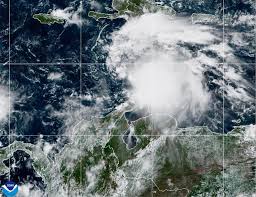
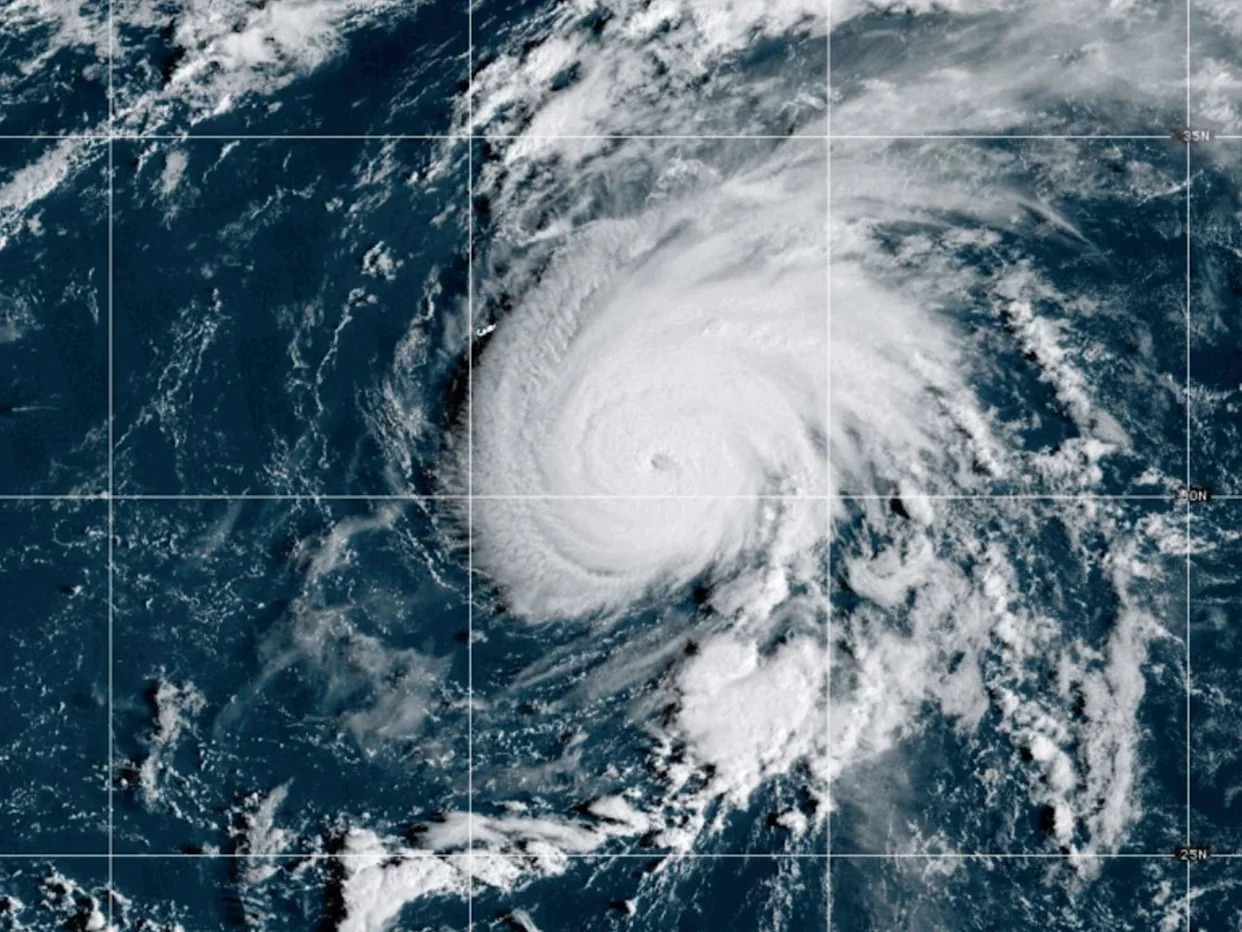
As the UK braced for the impact of Hurricane Gabrielle, the event highlighted the increasing frequency of extreme weather patterns attributed to climate change. Understanding the implications of such hurricanes on British weather is crucial for ensuring public safety and preparedness. The arrival of Hurricane Gabrielle not only affected temperatures and precipitation but also raised awareness about the challenges posed by intense storms.
Weather Developments from Hurricane Gabrielle
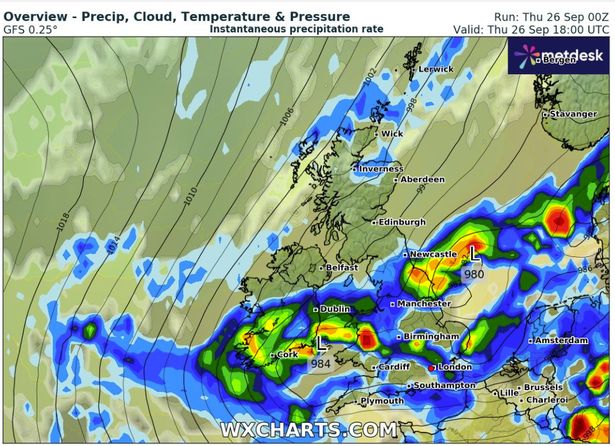
Hurricane Gabrielle, which formed in the Atlantic Ocean, began to influence UK weather systems in mid-September 2023. The storm made landfall on the west coast, bringing heavy winds of up to 70 mph and torrential rainfall across several regions. According to the UK Met Office, areas such as Wales and the northwest experienced the most severe conditions, with flooding reported in multiple locations.
The deployment of emergency services was swift, responding to road blockages and household damage caused by fallen trees. According to initial reports, transport disruptions were seen across rail and road networks, affecting thousands of commuters. Disruption warnings were issued, particularly in Wales and Northern Ireland, where rainfall totals exceeded 100mm in some regions.
Forecast and Conclusion
As Hurricane Gabrielle moved northeast, the UK Met Office warned of continuing adverse weather for the week ahead. Residents can expect a mix of heavy rain and gusty winds, with potential for further localized flooding. As the storm’s remnants linger, forecasts suggest a drop in temperatures, leading to an unseasonably chilly spell for many.
With this event marking one of the most significant weather challenges in recent memory, it raises ongoing concerns about the UK’s preparedness for such extreme weather phenomena. Experts emphasize the need for enhanced infrastructure and response plans to mitigate future impacts of hurricanes. As climate models predict more frequent and severe storms, residents and authorities must remain vigilant and proactive in their response to changing weather patterns.