Introduction
In today’s increasingly interconnected world, the ability to communicate effectively in English has become a pivotal requirement for immigrants seeking to build new lives in English-speaking countries. Immigration English requirements vary by country, but they share a common purpose: to ensure that newcomers have the necessary language skills to integrate successfully into society, access employment opportunities, and participate in community life.
Current Regulations
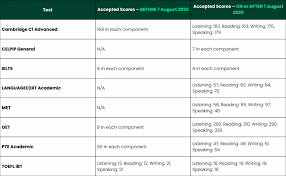
Many countries, including the UK, Canada, Australia, and the US, mandate specific English language proficiency tests as part of their immigration processes. In the UK, for instance, non-native speakers are required to pass an approved English language test, such as the IELTS (International English Language Testing System) or the SELT (Secure English Language Test), to qualify for visas. This requirement is often seen in applications for work or study visas, family reunion visas, and indefinite leave to remain.
In Canada, the Canadian Language Benchmark (CLB) system is used by the Immigration, Refugees and Citizenship Canada (IRCC) to assess an applicant’s language skills. Similar to the UK, candidates must take recognized tests like the IELTS or CELPIP (Canadian English Language Proficiency Index Program) to meet language benchmarks essential for immigration.
Importance of English Proficiency
Understanding the immigration English requirements is crucial not only for meeting legal obligations but also for ensuring personal success in a new environment. Proficient English skills aid in securing employment, accessing education, and fostering social connections. Notably, immigrants who are proficient in English tend to integrate better into their communities, leading to enhanced economic contributions and improved quality of life.
Challenges and Support
While learning English can present challenges for many immigrants, a variety of resources and support systems are available. Language schools, community programmes, and online courses are often provided by local governments or non-profit organisations. Prospective immigrants are encouraged to leverage these resources to increase their language proficiency before applying for visas.
Conclusion
As immigration continues to shape the global landscape, understanding and complying with immigration English requirements has never been more important. As countries refine their immigration policies, it is anticipated that the importance of English language proficiency will only grow. For individuals looking to relocate, mastering the required language skills can significantly enhance their chances of successful integration and long-term satisfaction in their new homes.



