Introduction
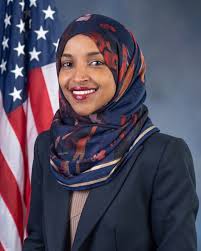
Ilhan Omar, a notable figure in American politics, has emerged as a significant voice in Congress, representing Minnesota’s 5th congressional district since 2019. As one of the first two Muslim women elected to Congress, her presence has not only redefined the political landscape but also sparked critical discussions on issues such as immigration, healthcare, and social justice. Omar’s journey from a refugee to a congresswoman underscores the evolving diversity within the U.S. legislature and highlights the ongoing dialogues regarding representation in American politics.
Key Contributions and Actions
Omar has consistently championed policies aimed at addressing socioeconomic disparities and promoting inclusivity. Her efforts to advocate for affordable healthcare have garnered attention, especially amidst the ongoing debates surrounding health reform. In particular, her push for Medicare for All reflects her commitment to universal health access.
In addition to healthcare, Omar has been active in immigration reform. She has introduced several initiatives aimed at protecting immigrants’ rights and has vocally opposed policies that she believes discriminate against marginalized communities. Her personal immigrant story resonates deeply with many constituents, bolstering her stance on these issues.
Challenges and Controversies
Despite her contributions, Omar has not been without controversy. She has faced backlash for her outspoken views, including accusations of antisemitism due to some of her comments regarding Israel and U.S.-Middle East relations. These challenges highlight the complexities and pressures faced by public figures, particularly those who represent minority communities. Omar has responded to criticisms by affirming her commitment to dialogue and understanding, underscoring the importance of discussing difficult topics in a constructive manner.
Significance for Future Generations
Omar’s role in Congress serves as an inspiration for many young leaders from diverse backgrounds. Her presence reflects a growing trend towards increased representation for underrepresented groups in politics, an important factor in shaping policies that address the needs of a diverse population. As discussions around race, gender, and immigration continue to evolve, Omar’s perspective is likely to remain integral to these dialogues.
Conclusion
Ilhan Omar’s journey in American politics illustrates the importance of representation and advocacy in a changing societal landscape. As she continues to confront challenges and push for policies that reflect her constituents’ needs, her influence is anticipated to grow. The significance of her work extends beyond legislative achievements, fostering a broader conversation about identity, equity, and the role of government in a diverse society. Observing how her career unfolds may provide essential insights into the future direction of American politics.