Introduction
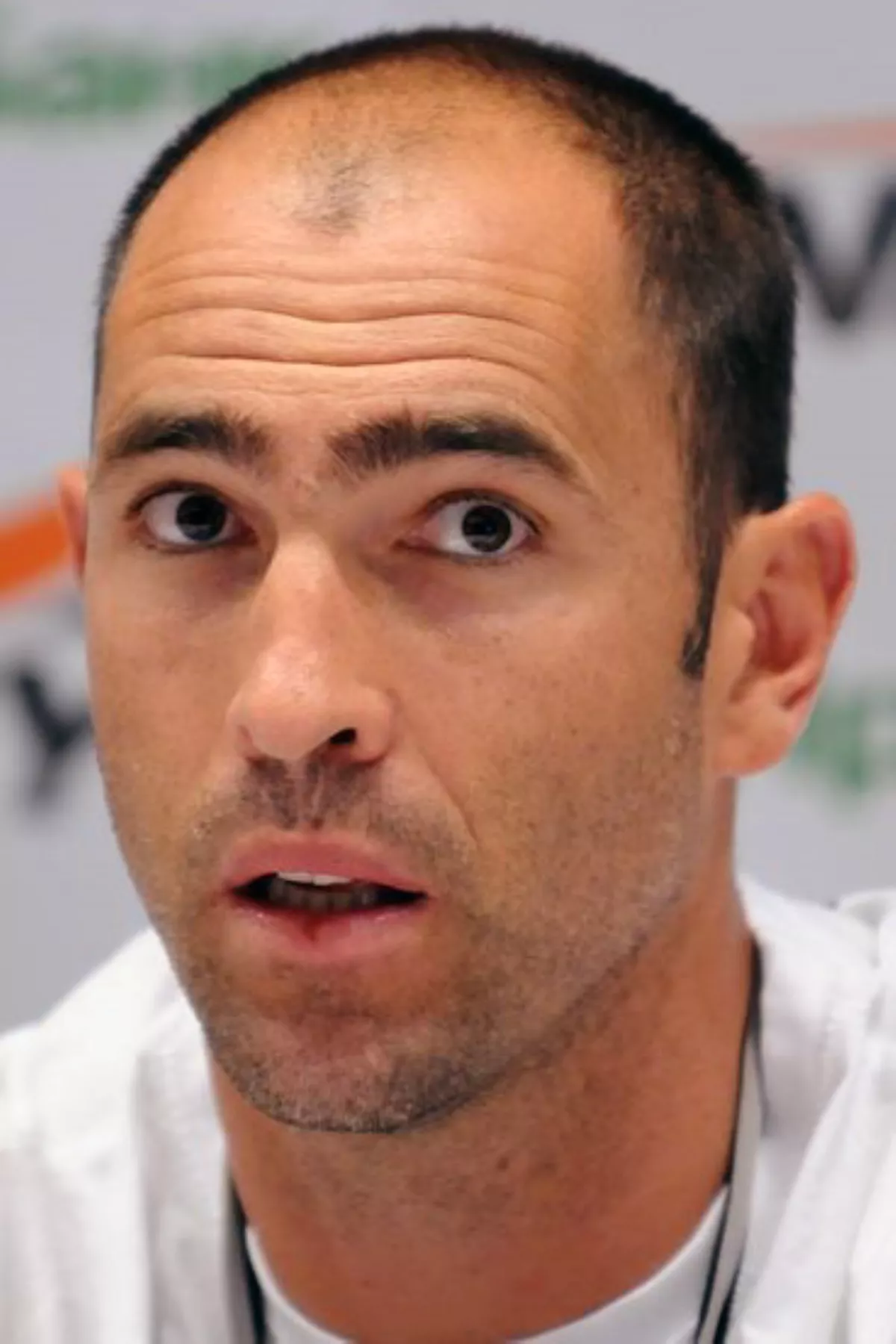
Igor Tudor has emerged as a significant figure in the world of football coaching, gaining recognition for his tactical prowess and ability to develop players. His journey from a distinguished playing career to a successful managerial path has captivated football enthusiasts and analysts alike. As clubs increasingly search for innovative coaching strategies, Tudor’s methods and philosophies are becoming highly relevant.
Recent Career Developments
Tudor began his managerial career with Hajduk Split and made notable strides at clubs like the Croatian national team and Marseille in France. His recent appointment as the head coach of Hellas Verona in Serie A has further solidified his reputation. In the ongoing season, Tudor has been instrumental in steering the team towards competitiveness in Italy’s top league, demonstrating his adaptability to various football cultures.
Tactical Approach and Philosophy
One of the key aspects of Tudor’s coaching style is his emphasis on fluid attacking football, supplemented by a solid defensive structure. He utilises a flexible formation system that allows players to express themselves, making the most of their individual strengths. His focus on the physical conditioning of players is also notable, as he believes a fit squad can exploit opportunities during matches more effectively.
Achievements and Recognition
Under Tudor’s management, several teams have seen significant improvements. His tenure at Dinamo Zagreb showcased his capability to lead a club to domestic success, proving his tactical genius. Recently, his efforts at Hellas Verona have garnered attention, as the squad, once struggling, now boasts impressive performances against top league teams. Analysts hail Tudor as a coach who knows how to maximise the potential of his players, and his work is being closely monitored in coaching circles.
Future Prospects
As the football landscape continues to evolve, Igor Tudor is projected to play a crucial role in shaping future trends in coaching. His ability to adapt and innovate will likely keep him in demand among clubs seeking a competitive edge. With several high-profile clubs facing managerial changes, Tudor’s name is expected to come up in discussions, making it crucial for fans and stakeholders to observe his ongoing journey closely.
Conclusion
Igor Tudor represents a new generation of football coaches who merge traditional strategies with modern tactics. His rising profile in European football not only underscores his capabilities but also highlights the shifting dynamics of coaching and player management in today’s game. As he continues to carve his niche, Tudor’s influence on football coaching is sure to grow, providing lessons and inspiration for aspiring coaches worldwide.