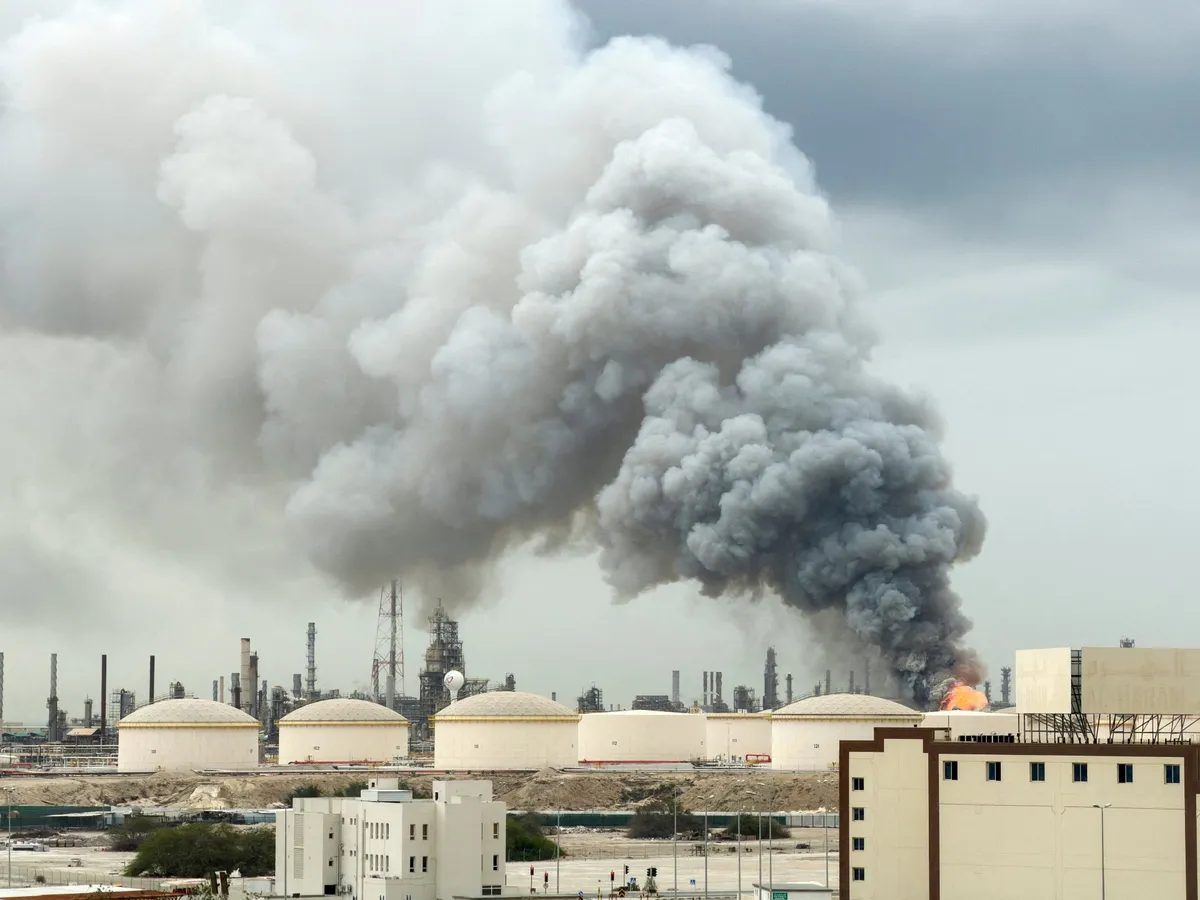
The International Energy Agency (IEA) was formed in the wake of the oil crisis of the 1970s to protect the interests of oil consumers. Over the years, the IEA has played a crucial role in coordinating responses to oil supply disruptions, ensuring that member countries can manage crises effectively. Currently, IEA member countries hold over 1.2 billion barrels of public emergency oil stocks, a resource that has been vital during times of geopolitical tension.
Recent Developments
On March 11, 2026, the IEA agreed to release 400 million barrels of oil from its members’ emergency reserves, marking the largest volume of emergency oil reserves released in the agency’s history. This decision comes in the wake of significant disruptions in the oil market, primarily due to Iran’s actions in the Strait of Hormuz, a crucial shipping route for oil, which has been effectively closed.
Fatih Birol, the Executive Director of the IEA, stated, “The oil market challenges we are facing are unprecedented in scale, therefore I am very glad that IEA member countries have responded with an emergency collective action of unprecedented size.” He emphasized that this release is a major action aimed at alleviating the immediate impacts of the disruption in markets.
Impact of the Strait of Hormuz Closure
The closure of the Strait of Hormuz has significant implications for global oil supply, as approximately 15 million barrels per day of crude oil and an additional 5 million barrels per day of oil products typically pass through this vital corridor. With the route blocked, Middle East oil producers have started to reduce production due to insufficient routes to market and a lack of available storage.
International Response
In response to the IEA’s request, Germany, Austria, and Japan have announced plans to release parts of their oil reserves. The G7 energy ministers convened to discuss strategies to mitigate rising oil prices amid the ongoing crisis. It is reported that G7 nations will contribute around 70 percent of the total release, underscoring their commitment to stabilizing the market.
As the situation develops, observers are closely monitoring the potential for further disruptions in oil supply. Angie Gildea, a spokesperson for the IEA, remarked, “There is simply no substitute for restoring access through the Strait of Hormuz.” This highlights the urgency of resolving the ongoing tensions in the region to ensure the stability of global oil markets.
Details remain unconfirmed regarding the timeline for restoring access to the Strait of Hormuz and the full impact of the IEA’s emergency release on global oil prices. However, the collective action taken by the IEA and its member countries marks a significant step in addressing the current energy crisis.