“I take a few,” Tiger Woods stated when confronted by authorities in Stuart, Florida, after a recent car crash that led to his arrest. This incident has raised significant concerns within the community regarding substance use and public safety.
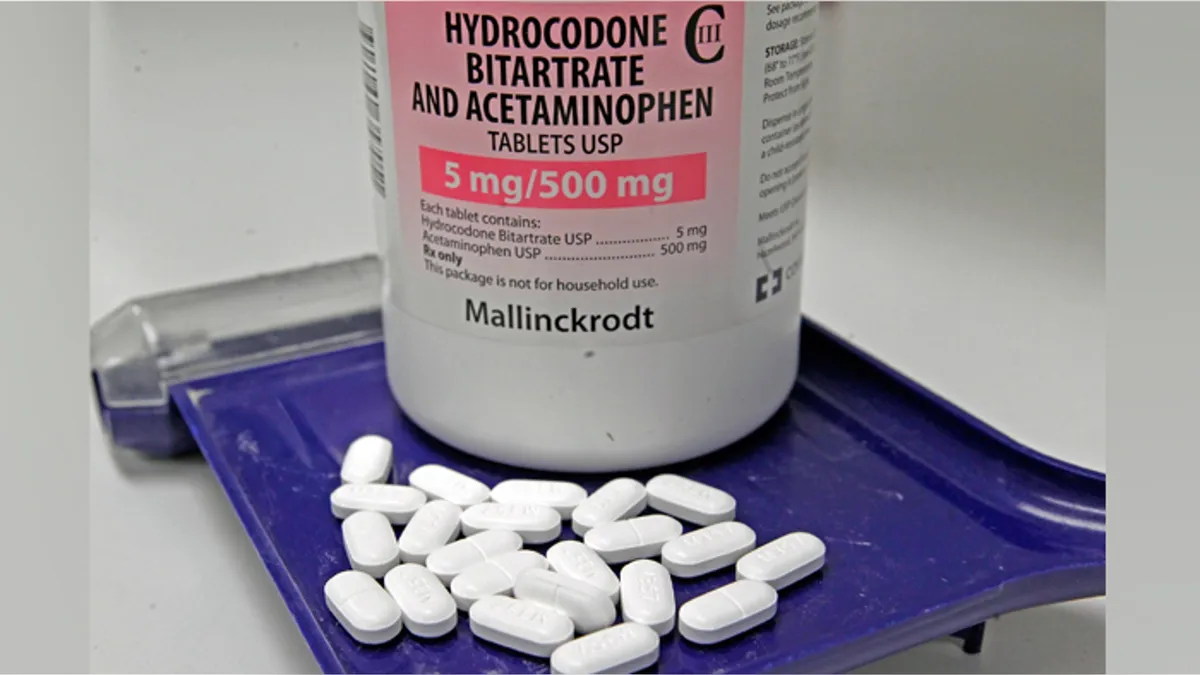
On March 27, 2026, Woods was involved in a single-car accident where he was found with two hydrocodone pills in his left pant pocket. The semi-synthetic opioid, which is classified as a Schedule II drug by the DEA due to its high potential for abuse, is often prescribed for pain management. Woods has a long history of surgeries, including over seven back surgeries and more than twenty operations on his leg, which may explain his reliance on such medications.
Deputy Tatiana Levenar, who responded to the scene, noted that Woods exhibited signs of impairment, stating, “Woods’ movement was lethargic and slow.” She further expressed her concerns, saying, “Based on my observations, I believed that Woods’ normal faculties were impaired, and he was unable to safely operate a motor vehicle.” These observations led to Woods being charged with DUI with property damage and refusal to submit to a lawful test.
Interestingly, a Breathalyzer test administered to Woods showed no signs of alcohol, with a result of 0.000. This detail adds complexity to the case, as it highlights the ongoing issues surrounding prescription drug use and its implications for public safety.
The truck involved in the crash sustained approximately $5,000 in damage, and Woods was released from jail after posting a $1,500 bond. This incident is not Woods’ first brush with the law; he was previously arrested for DUI in 2017 after being found asleep behind the wheel, which has raised alarms about his ongoing struggles with substance use.
As the community reflects on this incident, many are left wondering about the broader implications of prescription drug use and the responsibility of public figures like Woods. The conversation surrounding hydrocodone and its effects is more relevant than ever, especially considering that prescriptions for the drug peaked in 2011 before dropping by a third.
Woods’ journey has been marked by both triumphs and challenges, including his impressive record of 15 major championships. However, his ongoing health issues and legal troubles serve as a reminder of the complexities surrounding addiction and recovery.
Details remain unconfirmed as the situation develops, but the community is hopeful that Woods can find the support he needs to navigate these challenges.