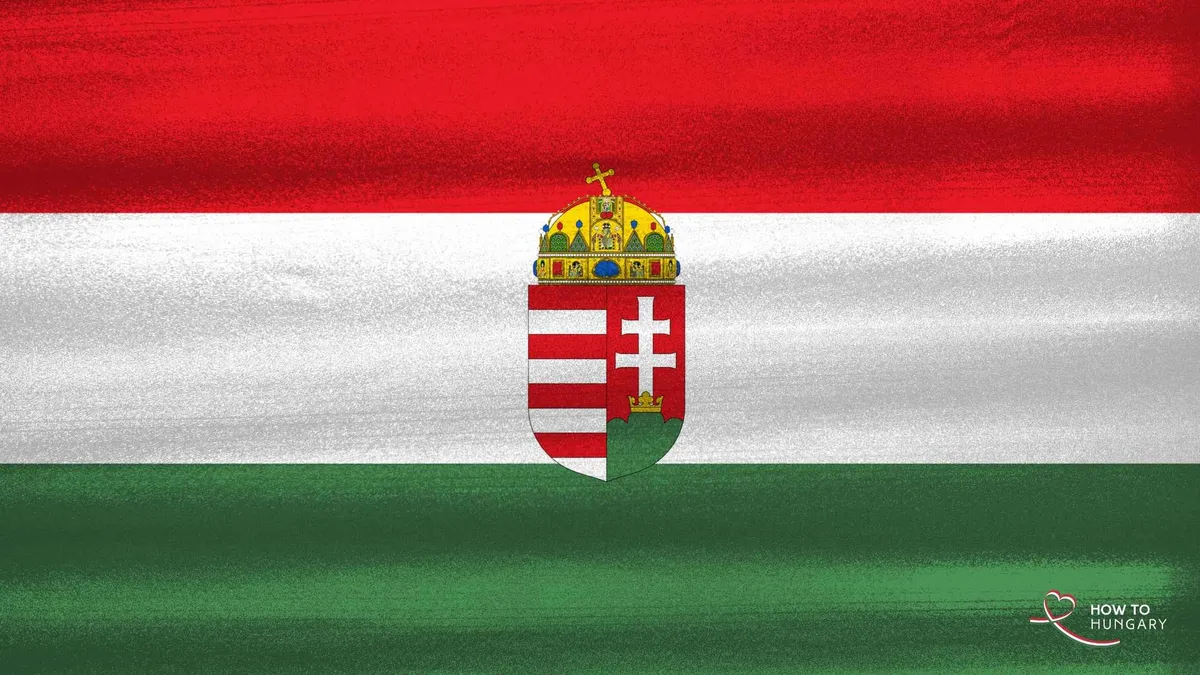
“He entered a club, read the rules, figured out how he can rig the rules, and then started to be a free rider and blackmail all of the other club members,” remarked Dániel Hegedűs, reflecting on Prime Minister Viktor Orbán’s long tenure in power. As Hungary approaches its elections on April 12, 2026, the political landscape is charged with tension and uncertainty.
Orbán, who has been in office for 16 years, is the longest-serving leader in the European Union. His administration has faced criticism for undermining democratic institutions and for its close ties with Russia. In the lead-up to the elections, Orbán’s government has been accused of using anti-Ukrainian rhetoric as part of its election strategy, particularly in light of Hungary’s opposition to Ukraine’s EU accession.
Péter Magyar, Orbán’s main rival, stated, “The Hungarians still see that Hungary’s peace and development are guaranteed by the membership of the European Union and NATO.” This sentiment underscores the stakes of the upcoming election, which many view as a referendum on Hungary’s geopolitical alignment.
Hungary’s relationship with the European Union has been strained, especially after the EU began freezing billions in funding due to rule-of-law breaches. Approximately 80% of Hungary’s media is controlled by Orbán’s Fidesz Party, raising concerns about the fairness of the electoral process.
Antonio Costa, a prominent EU figure, emphasized the importance of accountability, stating, “Nobody can blackmail the European Union institutions.” This statement resonates as Hungary’s elections approach, with many citizens concerned about potential irregularities, such as vote buying and voter fraud. Details remain unconfirmed.
The election could have significant geopolitical implications for both the EU and NATO, especially given the ongoing conflict in Ukraine and Hungary’s controversial stance on EU support for the country. Orbán has used his veto power to block EU assistance, further complicating Hungary’s position within the bloc.
As the election date draws near, the atmosphere in Hungary is charged with anticipation. The outcome will not only determine the future of Orbán’s leadership but also shape Hungary’s role in the broader European context. With 27 EU member states watching closely, the world awaits the results of this pivotal election.