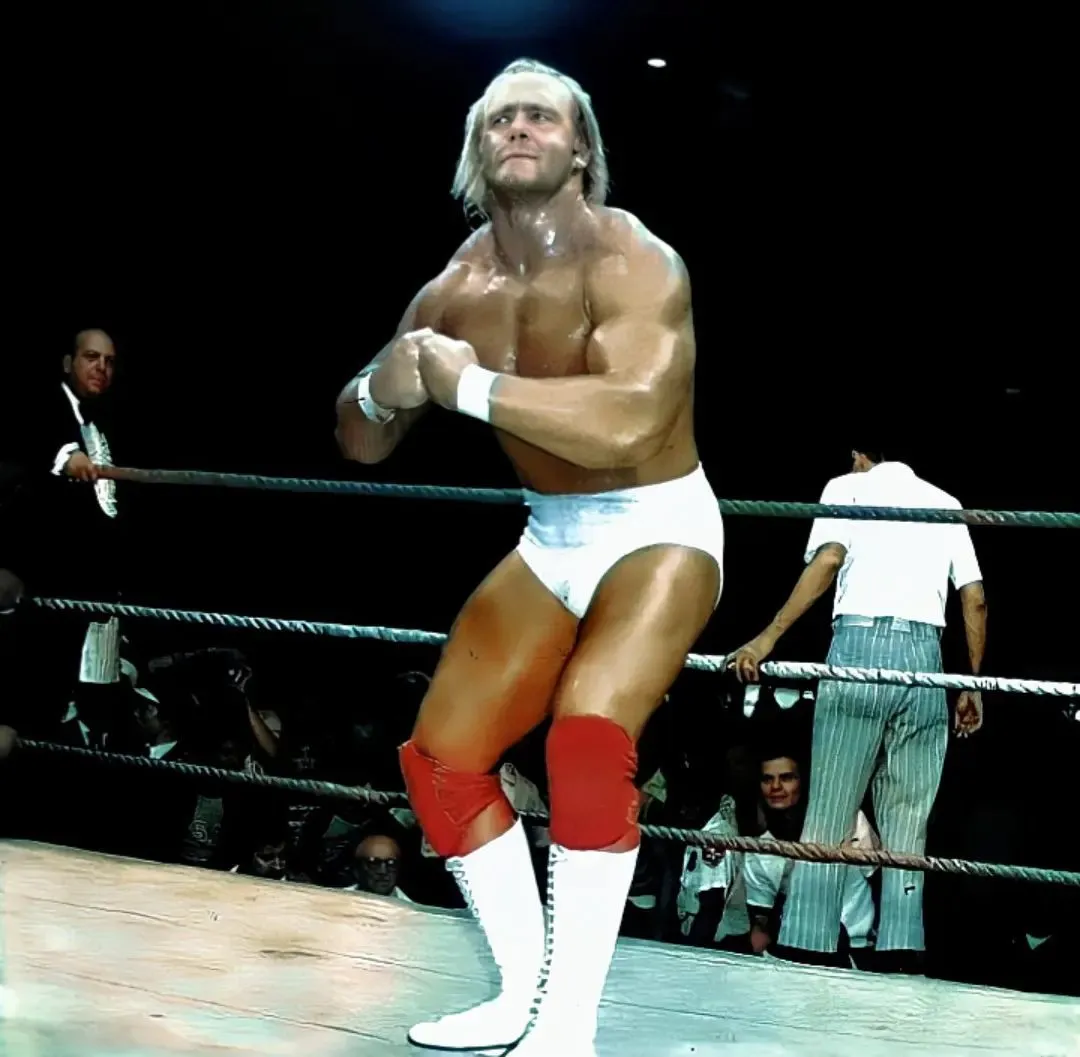
Before July 24, 2025, Hulk Hogan—born Terry Gene Bollea—was a larger-than-life figure in professional wrestling. He had captivated audiences since his debut as the masked Super Destroyer and became a household name. Fans admired him for his charisma and strength. Yet, behind the scenes, his life was marred by personal struggles and controversies.
On that fateful day, Hogan passed away from a heart attack at the age of 71. His death came after a difficult period marked by multiple hospital visits over just two and a half months. This was not just a loss for his family but for a community that had grown up watching him dominate the wrestling ring.
The immediate aftermath of Hogan’s passing stirred mixed emotions among fans and family alike. His daughter, Brooke Hogan, chose not to participate in a Netflix documentary about her father due to their strained relationship. Meanwhile, his son Nick reflected on their family’s challenges in the same documentary, discussing how health complications had affected their lives.
Hogan’s career was not without its controversies. He won a $31 million settlement against Gawker over a leaked sex tape but faced significant backlash when racial slurs emerged from that same tape. The fallout led to his firing from WWE—a stark contrast to his earlier status as an icon.
In recent years, he made headlines again by endorsing Donald Trump at the 2024 Republican National Convention. “He’s my friend,” Hogan remarked about Trump, showing how his connections extended beyond wrestling into politics.
Yet, despite these ups and downs, Hogan often reflected on himself with candor. “Terry Bollea was not the greatest person of all time,” he admitted candidly in interviews, acknowledging both his triumphs and failures.
His legacy is complex—a mix of admiration and controversy that mirrors the world of professional wrestling itself. As fans remember him for electrifying matches and iconic catchphrases, they also grapple with the personal challenges he faced.
The world may have lost Hulk Hogan, but his impact on professional wrestling—and popular culture—will endure. As we reflect on this multifaceted figure, it’s clear that he was more than just an entertainer; he was a symbol of resilience amid life’s trials.