Introduction
In today’s fast-paced world, the importance of GPS technology extends beyond mere navigation. With advancements in satellite positioning systems, GPS has become a crucial tool in enhancing safety and security. From emergency services to personal safety, the ability of GPS systems to raise alarms and provide real-time data is becoming increasingly relevant.
The Role of GPS in Emergency Situations
Recent events have underscored the vital role of GPS technology in emergencies. For instance, during natural disasters, GPS devices can pinpoint the location of individuals in need of assistance. The recent hurricanes that struck various regions showcased how GPS coordinates allowed first responders to reach stranded residents quickly. Furthermore, the use of GPS tracking in mental health crises has illustrated its potential to alert authorities when individuals are in distress, enhancing both response times and preventive measures.
Technological Developments
Innovative technologies are pushing the boundaries of how GPS can serve communities. Integration with mobile applications has led to the development of alert systems that notify users when they enter potentially unsafe areas. Such systems are particularly beneficial for vulnerable populations, including children or those with mental health issues, providing peace of mind for families and caregivers.
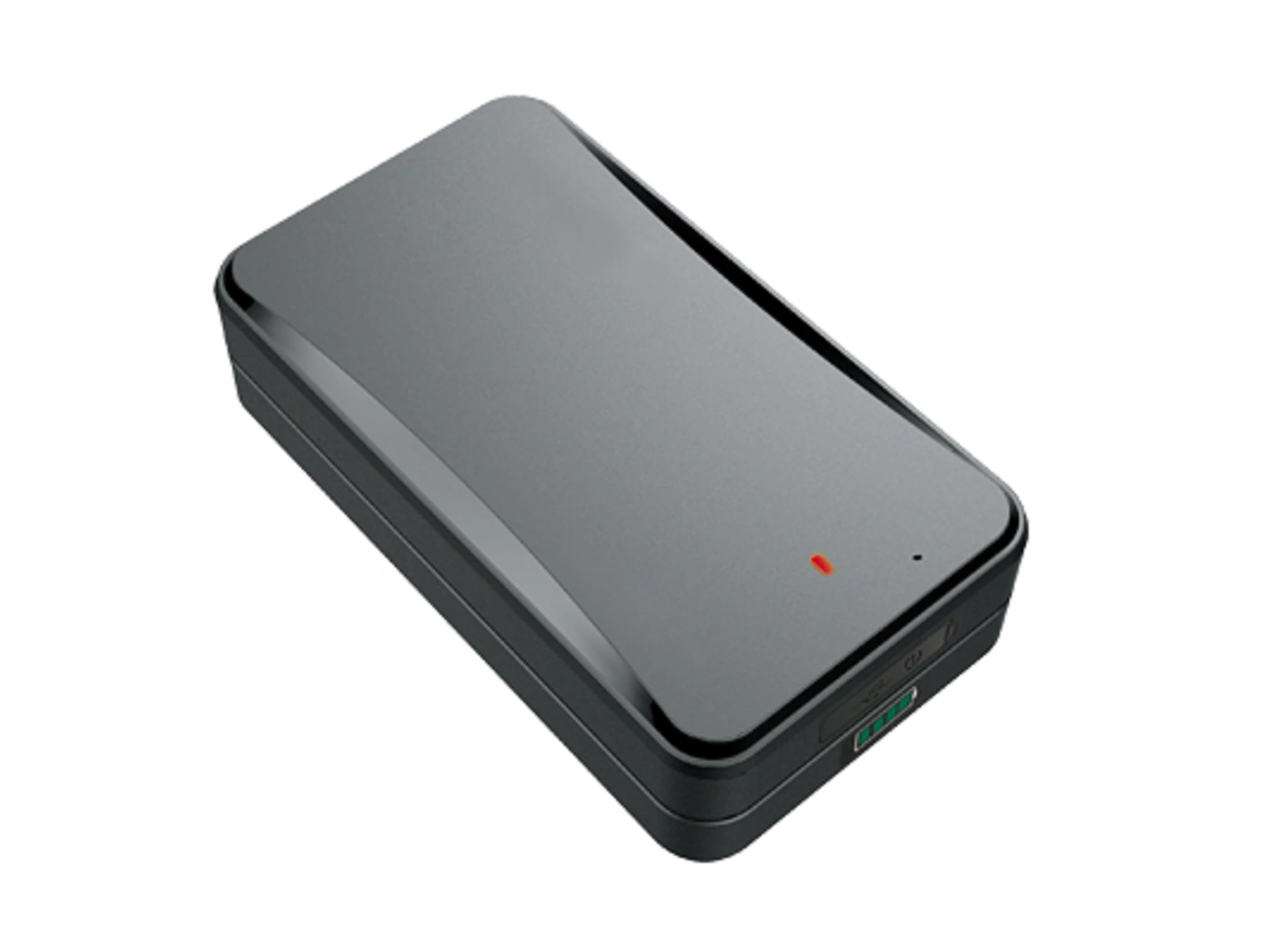
Tracking devices equipped with GPS can also send emergency alerts when someone is in trouble. These alerts can be configured to contact family members or local authorities, ensuring immediate help. The latest wearable devices further enhance this functionality, allowing individuals to signal for help at the push of a button, which can be a lifesaver in critical situations.
Global Initiatives and Regulations
Globally, governments are recognising the importance of enhancing GPS technology for safety. Countries like the United States and the United Kingdom are investing in systems that improve the reliability of signal transmission, aiming to ensure that alerts are sent and received without delay. Initiatives such as the Europe’s Galileo system, which aims to provide enhanced accuracy and reliability, further illustrate the commitment to utilising GPS as a lifesaving tool.
Conclusion
As GPS technology continues to evolve, its ability to raise alarms and increase safety will only improve. From its role in emergency services to personal safety systems, GPS stands as an essential component of modern life. The integration of real-time alerts and location tracking not only aids individuals in crisis but also enhances the efficiency of community safety measures. As GPS becomes further embedded in our daily lives, it is evident that the technology will play an increasingly significant role in safeguarding lives.