How it unfolded
In Brattleboro, Vermont, the situation at Brattleboro Memorial Hospital has reached a critical point as nurses prepare to vote on a potential strike. This decision comes in the wake of a staggering $14.5 million deficit that has led to a freeze on pay, leaving staff feeling undervalued and overworked. The financial struggles of the hospital reflect broader issues within the healthcare system, particularly as other facilities face similar challenges.
On March 16, 2026, the financial landscape for hospitals in the region took a significant hit with the closure of Heights University Hospital in Jersey City, New Jersey. Despite local opposition and requests for financial assistance, the hospital was shut down, leaving Jersey City with only one emergency room to serve its 300,000 residents. This closure has raised serious concerns about access to emergency care in a densely populated area.
Heights University Hospital, which had been operational since 1872, reported a loss of $74 million last year and was projected to lose an additional $30 million this year. The decision to close the hospital was made by Hudson Regional Health, which applied for state approval to close the facility but proceeded with the closure before receiving the necessary consent. This has sparked outrage among local officials and residents.
Jersey City officials attempted to intervene by filing an emergency injunction request to keep Heights University Hospital open, but this request was denied. James Solomon, a local council member, expressed disappointment over the ruling, stating, “We disagree with the ruling, but we respect it.” He further noted the consequences for the community, highlighting that residents would face longer ambulance rides and fewer available beds.
Vijay Chaudhuri, a spokesperson for Hudson Regional Health, defended the closure, saying, “While this outcome is extremely disappointing, the decision was made to preserve the stability of the hospitals in the system and ensure the continued delivery of care within the HRH Hudson County network.” This statement underscores the difficult balancing act healthcare providers must perform between financial viability and community health needs.
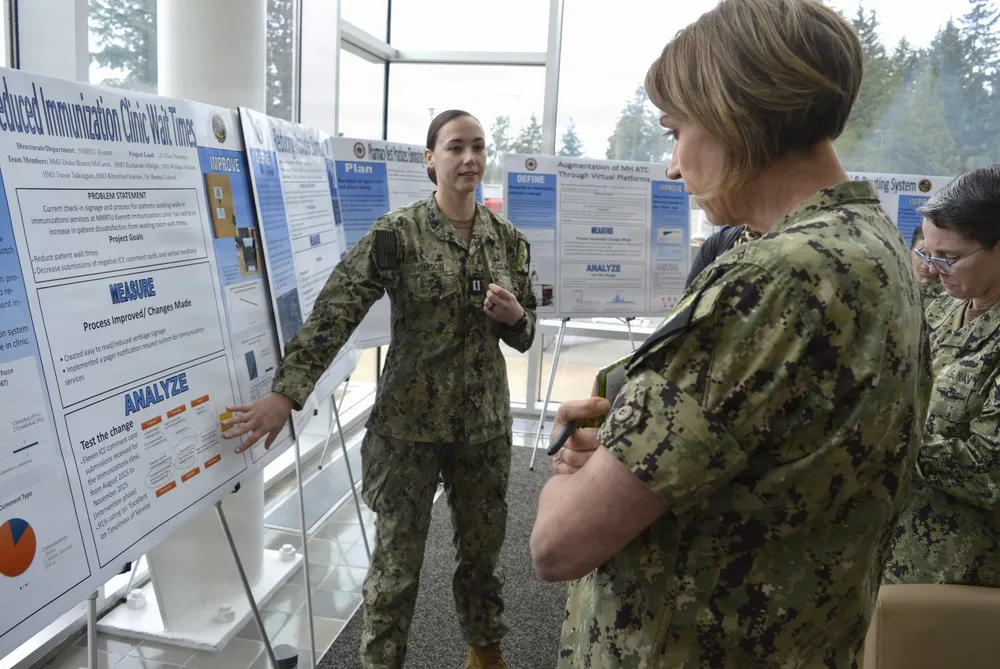
As the healthcare landscape continues to shift, the implications of these closures and financial struggles extend beyond immediate access to care. The Mental Health Directorate at Naval Hospital Bremerton has recognized the need for improved mental health access and is working on a project to augment services through virtual platforms. This initiative reflects a growing trend in healthcare to adapt to the changing needs of patients.
For Brattleboro Memorial Hospital, the potential strike by nurses could further complicate an already precarious situation. With financial pressures mounting, the hospital’s ability to retain staff and provide adequate care is in jeopardy. The outcome of the strike vote will be crucial in determining the future of the hospital and its services.
The sequence of events surrounding Heights University Hospital’s closure and Brattleboro Memorial Hospital’s financial struggles highlights the urgent need for systemic changes in the healthcare sector. As communities grapple with the consequences of these decisions, the focus will likely shift to how healthcare facilities can be held accountable and supported in a sustainable manner.